Home  >  News

News

What to Ask a Supplier Before Ordering Disposable Coffee Cups with Company Logo

9/11, 2026

What to Ask a Supplier Before Ordering Disposable Coffee Cups with Company Logo

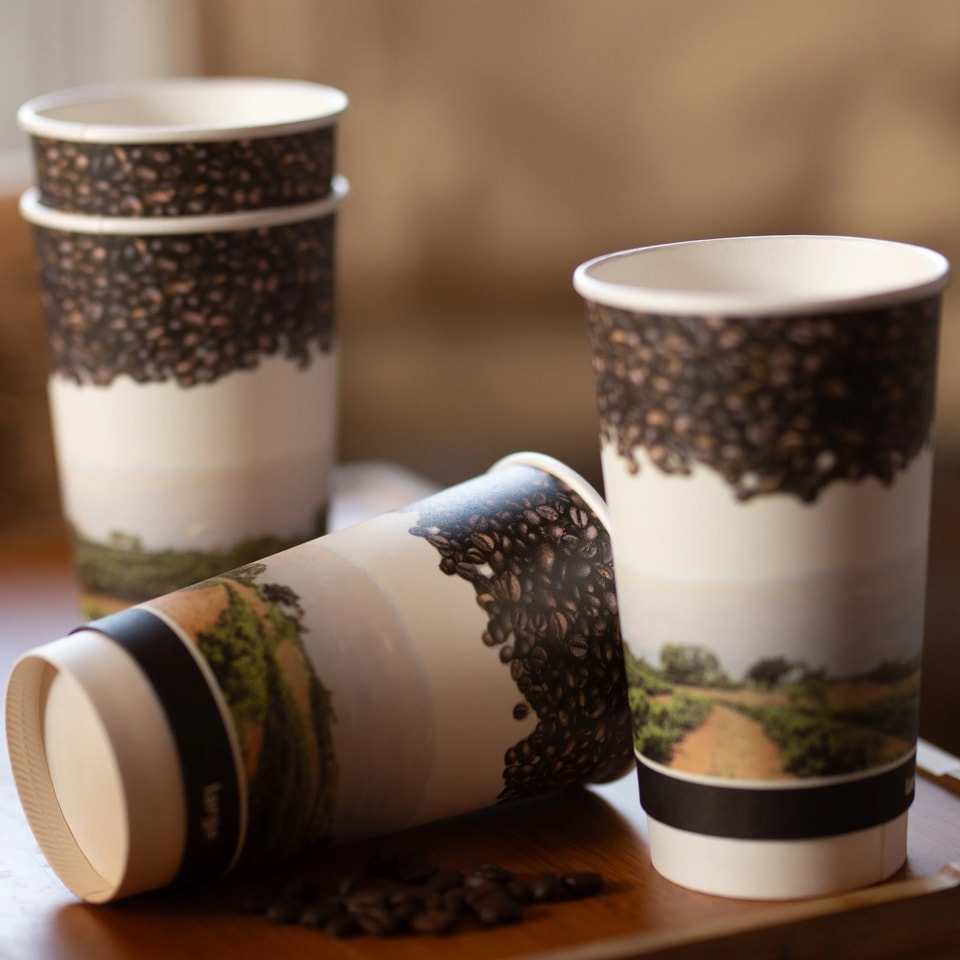
For coffee shops, beverage chains, restaurants, caterers, and takeaway operators, a branded cup is more than a container. It carries a hot or cold drink, supports the pace of service, and places a company’s identity in customers’ hands. That is why ordering disposable coffee cups with company logo requires more than choosing a size and uploading artwork. The cup structure, material configuration, print execution, quality controls, and delivery plan all need to work together. At Anbao, custom paper cup programs are developed around real foodservice requirements. Our paper cup series includes single-wall cups, double-wall cups, ripple cups, and cold-drink cups, with custom logo, pattern, color, and size options. Before placing an order, the questions below help purchasing teams turn a packaging idea into a clear, workable specification that can support daily service and repeat supply. Why Branded Coffee Cups Need More Than a Good-Looking Logo Your coffee cup represents the brand at every handover From the counter to the delivery bag, a branded disposable cup is visible throughout the customer journey. It needs to look consistent with the brand while remaining suitable for the beverage, the serving temperature, and the way customers carry it. A well-planned cup supports a cleaner presentation at the point of handover and gives staff a more reliable packaging format during busy periods. Small specification gaps can become larger service problems A cup that appears suitable in a catalogue may behave differently when it is filled, fitted with a lid, carried across a store, or placed into a takeaway order. If the structure, coating, lid, or print layout has not been confirmed for the intended use, minor gaps can lead to avoidable operational issues. Defining the drink type, capacity, serving temperature, logo artwork, expected order volume, destination market, and delivery timing at the beginning makes the sourcing process more dependable. Build the brief before comparing suppliers A detailed brief gives suppliers the information needed to prepare a relevant proposal. It also allows procurement teams to compare quotations on the same basis: cup structure, paper and coating configuration, print requirements, packing method, sample plan, lead time, and delivery terms. In practice, this clarity protects both the visual quality of the finished cup and the efficiency of the ordering process. Which Disposable Coffee Cup Structure Fits Your Service? Single-wall cups for straightforward beverage service Single-wall paper cups can be a practical choice for coffee, tea, and other beverage programs when the service model is clearly defined. Before selecting this format, consider the drink temperature, expected holding time, whether customers usually consume drinks quickly, and whether sleeves form part of the service routine. These details help determine whether a simple cup construction fits the customer experience you want to provide. Double-wall and ripple cups for hot-drink comfort For hot takeaway beverages, the cup should be assessed not only by capacity but also by how it feels in the hand. Double wall paper cups add an outer paper layer to the cup structure and can be considered where a more insulated grip is needed. Ripple cups use a textured outer layer and offer another format for hot-drink service. The right choice depends on the beverage temperature, service duration, lid arrangement, and whether the business wants to use a separate sleeve. Cup size and lid fit should be confirmed together A coffee cup works as part of a complete serving system. Capacity, practical fill level, top diameter, cup height, base shape, rolled rim, and lid fit should be reviewed as one combination. Testing the selected cup with the actual lid avoids approving separate components that do not perform as expected once they are used together in a live service environment. What Should You Confirm About Paper, Coating, and Food Contact? Choose materials around the drink and the service conditions The paperboard and barrier configuration should match the drink and the way it will be served. Hot drinks, cold beverages, holding time, condensation, and takeaway handling can all affect the appropriate specification. Anbao offers paper cup options with PE, PLA, and aqueous coatings, so the discussion can begin with the operating conditions of the beverage program rather than a broad material label alone. Ask for documents that match the exact cup specification Food-contact documentation should be reviewed in relation to the selected cup, its coating, the intended application, and the destination market. When evaluating documents, buyers should confirm that they are current, identify the correct manufacturing entity, and apply to the product configuration being ordered. This approach gives internal quality and compliance teams a more practical basis for review. Confirm how material consistency is managed from order to order For branded foodservice packaging, material consistency contributes to consistent performance and presentation. Ask how materials are identified through production, how batches are recorded, and what information can be provided for internal purchasing or quality documentation. These conversations are especially valuable for chains, distributors, and brands planning scheduled repeat orders across multiple locations. How Will Your Company Logo Look on the Finished Cup? Logo placement needs to work with the cup shape A paper cup is a formed product, not a flat sheet. The seam, curved surface, rim area, and base construction all influence where a logo, campaign message, or legal text should be placed. A productive artwork review uses the correct cup template and sets safe areas that protect the readability and balance of the design after cup forming. Artwork approval should happen before mass production The approved artwork should identify the design version, print placement, color expectations, wording, and relevant visual details. A printed sample gives brand, procurement, and operations teams a shared point of reference before production begins. It also helps prevent late-stage changes that can affect production planning or launch timing. Plan for repeat orders while the design is being created Good cup artwork should remain practical across future orders. Consider whether the design will be used on more than one capacity, adapted for seasonal promotions, localized for different markets, or applied across a franchise or distributor program. Planning these details early makes it easier to manage artwork versions and maintain a coherent branded packaging range over time. What Should a Coffee Cup Sample Be Tested For? A sample should be tested with the actual drink Visual approval is important, but it is not enough on its own. The selected cup should be filled with the beverage it is intended to carry, paired with the specified lid, and held for the normal service period. This makes the sample review relevant to everyday use rather than a desk-based design check. Test handling, lid security, and carrying conditions A useful sample trial follows the route of a real order: filling the cup, securing the lid, carrying it by hand, placing it into a takeaway bag, and observing how the cup performs during normal movement. The rim, seam, outer surface, cup body, lid fit, and stackability should be assessed against the conditions staff and customers are likely to encounter. Agree on the final sample before confirming the production order The final sample should become the shared reference for the cup structure, chosen material configuration, artwork, print position, color expectation, and packing details. Recording these approval points before the purchase order is released creates a clearer foundation for production and for quality inspection before shipment. How Does Anbao Keep Custom Coffee Cup Orders Consistent? Quality control begins with a clear product specification Consistency begins before production. The cup format, size, coating, print artwork, lid compatibility, and carton configuration should be aligned with the beverage application and recorded as part of the order requirements. This helps ensure that the production team, purchasing team, and customer are working toward the same finished-product standard. Production checks should protect both performance and presentation For a branded cup, quality includes both use performance and visual execution. Forming quality, print appearance, packing condition, and batch identification all deserve attention because each one affects how the cup is received, stored, and used in foodservice. Lean digital manufacturing supports more structured production management across different packaging applications. Certifications should be reviewed in the context of the order Anbao’s manufacturing and quality framework includes BSCI, BRC, ISO, and FSC-related certification systems. For any particular order, the appropriate documents should be reviewed against the selected material, cup specification, and destination-market requirements. This gives buyers a more meaningful way to connect supplier documentation with their own foodservice procurement process. What Should Be Included in the Quote and Delivery Plan? Make sure every quotation covers the same order details A useful quotation identifies the cup type, capacity, paper and coating configuration, printing requirement, order quantity, packing format, sample arrangement, production lead time, and delivery terms. Once these points are aligned, buyers can assess commercial options with a clearer understanding of what is included and what still needs to be confirmed. Confirm custom-logo MOQ and future reorder arrangements Custom-logo programs have different planning needs from standard-stock purchases. Confirm the minimum order quantity, sample arrangement, artwork setup, expected production schedule, and repeat-order process before finalizing the first order. These details are particularly important for new store openings, promotional campaigns, and businesses that need to coordinate packaging arrivals with menu or brand launches. Packaging and shipping details deserve early attention Carton counts, carton markings, pallet requirements, delivery method, export documents, and agreed Incoterms should be discussed early in the process. A clear shipment plan helps receiving teams prepare storage space, supports inventory planning, and reduces the chance that packaging logistics disrupt an otherwise well-prepared service launch. A Clear RFQ Helps You Buy Disposable Coffee Cups with Company Logo The product questions to include in every inquiry Your request for quotation should state the beverage application, cup structure, capacity, material and coating preference, lid requirement, artwork status, sample request, estimated quantity, and destination market. With this information, Anbao can help shape a custom coffee cup configuration around the actual requirements of your foodservice operation. The quality and compliance questions that should not be skipped Request the documents relevant to the chosen cup and destination market, and discuss the quality-control and sample-approval process before an order is placed. The most useful review connects documents, product details, and intended application, helping procurement teams move forward with a more complete understanding of the selected packaging solution. The commercial questions that protect your launch schedule Minimum order quantity, quotation validity, production lead time, packing method, shipping terms, and reorder planning all influence whether cups arrive in time for a store opening, menu update, campaign, or seasonal program. Addressing them during the RFQ stage gives the supply plan more room to operate smoothly. Choose Custom Coffee Cups That Work Beyond the First Order Select a supplier around fit, control, and long-term usability The most suitable disposable coffee cups with company logo support more than the first order. They should fit the drink, the customer experience, the brand design, and the operational needs of repeat purchasing. When the specification is clear and the sample has been tested in real conditions, procurement teams can move from price comparison to a more confident supply decision. Build a broader branded foodservice packaging range with Anbao Anbao provides paper-based packaging for coffee, beverages, foodservice, takeaway, and distribution applications, including paper cups, paper bowls, food containers, and compostable packaging solutions. Our paper food packaging projects show how packaging structure and custom requirements can be developed for practical foodservice applications. For example, Anbao developed a top-and-bottom rolled double-wall insulated cup for BP’s coffee application; the project page reports an outer-wall temperature of 65°C when the cup was filled with 100°C hot water, and notes that the design eliminated the need for a separate sleeve in that application. For foodservice buyers seeking a practical custom-logo coffee cup program, the next step is to define the service conditions, prepare the artwork, request a specification-based quotation, and approve samples that reflect real daily use. This creates a stronger starting point for a branded packaging solution designed to support both current operations and future orders.
Custom Paper Cold Drink Cups for Milk Tea, Juice and Delivery: Specification Checklist for Buyers

9/11, 2026

Custom Paper Cold Drink Cups for Milk Tea, Juice and Delivery: Specification Checklist for Buyers

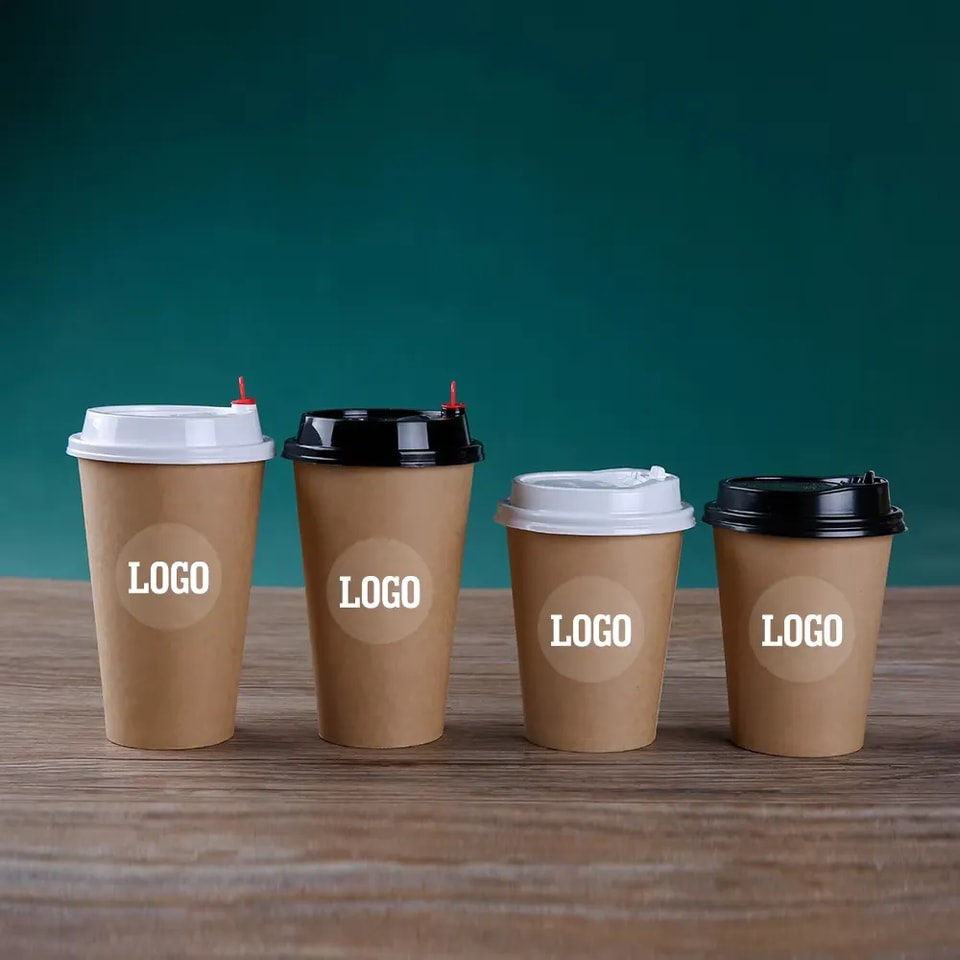
For milk tea shops, juice brands, cafés, restaurants and delivery-focused beverage businesses, a cold drink cup is more than a container. It affects how a drink is prepared, carried, presented and remembered. When the cup specification fits the drink and the service process, it can support a smoother daily workflow from the counter to the customer. At Anbao, we develop custom paper cold drink cups for beverage and foodservice applications. Our paper cup range includes options for milk tea, coffee, cola and juice, with custom logo, pattern, colour and size requirements considered around the needs of each project. A well-defined cup brief helps turn a beverage concept into packaging that works in real service conditions. What Does Your Cold Drink Service Need From a Paper Cup? Different drinks create different packaging needs Milk tea, fresh juice, iced coffee, carbonated drinks and fruit beverages may all be served cold, but the way they are prepared can be very different. A milk tea recipe may include ice, pearls, jelly or foam. A juice drink may be served with pulp or a larger volume of ice. An iced coffee may need a different filling level from a sweetened fruit drink. These details influence the capacity, cup shape and closure method that make sense for the finished beverage. Before choosing a cup, define the drink itself. Consider the serving size, typical ice level, toppings, target fill line, serving temperature and how long the drink may be held before consumption. Starting with these practical details makes it easier to select a paper cup specification that fits the menu rather than relying only on a familiar ounce size. Why takeaway and delivery change the cup brief A drink served at the counter only needs to work for the immediate handoff. A takeaway or delivery drink has a longer journey. It may be carried, placed in a bag, moved with other orders and exposed to changes in handling before it reaches the customer. The cup, lid or sealing format, drink recipe and transport process should therefore be reviewed as one complete system. This is particularly important for beverage brands that serve a high volume of orders during busy periods. A clear cup brief helps align packaging choices with the way staff fill, close, label and hand over drinks. It also gives the purchasing team a stronger starting point for samples and quotations. From daily operations to a clear cup requirement The most useful packaging brief begins with the actual service process. Write down the beverage type, cup capacity, preferred closure, expected order quantity, custom design needs, destination market and desired delivery timeline. If the cup will be used for delivery, include the typical transport and bagging conditions as well. With this information in place, the discussion can move naturally from a general request for disposable cold drink cups to a specification built around the needs of your beverage business. Which Custom Paper Cold Drink Cup Size and Structure Fits Your Menu? Capacity should match the real drink recipe Capacity is one of the first details a buyer provides, but it should not be viewed in isolation. A 12 oz or 16 oz cup may serve different menu items depending on the recipe, the amount of ice, the volume of toppings and the filling level your staff use. The nominal size should support the beverage as it is actually prepared, not just the number shown on the menu. For a clearer enquiry, include the desired nominal capacity and the practical filling conditions. If your drink contains ice, foam, fruit pieces or toppings, explain how these affect the usable beverage volume. This makes it easier to discuss a cup format that reflects the customer experience you want to deliver. Dimensions affect lids, filling and customer handling Top diameter, bottom diameter, height and available filling space all matter in day-to-day service. These details influence how the cup works with a lid or sealing format, how it fits into a cup holder, how it is carried and how it feels in the customer’s hand. They also help keep product discussions clear when custom printing, sample approval and repeat orders are involved. When the physical dimensions are documented from the beginning, the packaging team can review the full drink format with greater confidence. Choose a cup format around the intended application Anbao offers a paper cup range for foodservice and beverage applications, including cold drink cup options as well as single-wall, double-wall, ripple and kraft paper cup formats. The right choice depends on the drink being served, the way it is handled and the overall packaging requirement. For cold beverage projects, a single-layer thickened cup with double PE coating may be considered for applications such as milk tea, coffee, cola and juice. The final specification should be discussed around the intended drink, the closure method and the project’s market requirements, so the selected format supports the full service experience. How Do PE, PLA and Aqueous Coatings Support Cold Drink Packaging? The barrier layer is part of the cup specification A paper cold drink cup combines paperboard with a barrier layer chosen for the intended application. At Anbao, PE, PLA and aqueous coating options can be discussed as part of a custom paper cup project. Rather than treating coating as a separate purchasing decision, it should be considered together with the beverage, cup construction, service environment and packaging objectives. For example, a milk tea programme with ice and toppings may have different practical needs from a juice promotion, an iced coffee takeaway line or a seasonal cold beverage launch. The more clearly the intended use is described, the easier it is to review the appropriate cup specification. Match the coating discussion to your market and application Material selection should reflect your destination market, food-contact requirements, intended beverage and sustainability direction. Buyers can make the discussion more productive by sharing where the cups will be used, the relevant product requirements for that market and the type of packaging outcome they are working toward. This approach also keeps the decision practical. Instead of selecting a coating based only on a name or a general claim, the packaging solution can be reviewed as a complete combination of paper cup format, barrier option, closure method, branding and use scenario. Confirm the finished specification through sampling A sample is where the cup specification becomes tangible. Review it with the actual drink, normal ice level, chosen lid or sealing format and expected handling process. This gives the project team a more realistic basis for moving forward than reviewing an empty cup alone. Once the cup body and barrier option have been considered, the next question is whether the closure and delivery process work smoothly with the finished beverage. Will the Cup, Lid and Delivery Process Work Together? Check the fit between the cup and the closure The closure method is part of the drinking experience. Depending on the menu and service model, a beverage may use a sip lid, flat lid, dome lid, sealing film or another format. The cup’s top diameter and rim should be reviewed with the selected closure early in the project. For milk tea and similar drinks, the closure should also suit the way customers consume the beverage, including whether a straw, topping or foam layer is involved. Confirming the cup-and-closure combination during sampling helps keep the finished presentation aligned with the intended service style. Test the cup under real takeaway conditions A cup should be assessed in the same way it will be used after production. Fill it with the normal beverage recipe, close it using the planned lid or sealing method, carry it, place it in the usual takeaway bag and review how the complete pack performs during handling. For delivery-focused operations, include the conditions that are most relevant to your orders. This may include the way drinks are grouped, how they are packed with food, the typical handoff process and the expected journey from store to customer. Testing the complete system helps the team make decisions based on the real operating environment. Reduce uncertainty before bulk production When the cup, closure and delivery process have been reviewed together, the approved specification becomes more useful for production planning. It provides a shared reference for the product team, purchasing team and store operations, while helping ensure that the sample stage reflects the intended use of the finished cup. With the functional details in place, the next step is to bring the brand design into the same clear specification. How Can Custom Printed Cold Drink Cups Strengthen Your Brand? Define your artwork before the sample stage Custom printing works best when the project begins with clear artwork and clear priorities. Provide the logo, pattern, colour direction, required print area and any essential design elements before sampling. This helps create a focused discussion around the appearance of the finished cup. Anbao supports custom logo printing, custom patterns, custom colours and tailored paper cup sizes for foodservice, beverage and private-label packaging projects. By bringing the branding details together with cup capacity and intended application, the design can be reviewed as part of the complete packaging solution. Make the cup easy to recognise across every channel A branded beverage cup may be seen in a store, in a customer’s hand, inside a takeaway bag or in a delivery photo. For that reason, the cup should carry the brand clearly in the places where customers are most likely to notice it. Readable logo placement, balanced graphics and consistent colour direction can help the cup feel connected to the wider beverage experience. This does not require an overly complicated design. In many cases, a clear visual system that works across different cup sizes and service channels is more useful than artwork that only looks effective in one setting. Keep approved cup details ready for repeat orders After the selected cup format and artwork are approved, keeping those details organised supports future orders. The approved design version, cup size, coating option, packing requirements and expected quantity should remain easy to reference when the next order is planned. For brands managing ongoing beverage programmes, this consistency helps connect the first custom cup project with a more repeatable purchasing process. Explore custom logo paper cups that can be discussed around your beverage format, artwork and service requirements. What Should You Confirm Before Ordering Custom Paper Cups? Confirm product details before requesting a quote A clear request helps the packaging discussion move quickly and keeps quotations relevant to the project. Before requesting a quote for custom paper cups, prepare the beverage type, target capacity, desired dimensions, normal filling conditions, ice or toppings, preferred closure method and estimated order quantity. It is also helpful to explain whether the cups are intended for in-store service, takeaway, delivery or a combination of these channels. The more closely the request reflects daily operations, the easier it is to review a suitable paper cup solution. Include artwork, packing and delivery requirements In addition to the cup itself, share the artwork file, printing requirements, target market, preferred packing arrangement, destination country and delivery schedule. These details bring the product, branding and logistics discussion together, allowing the project to be considered as a complete packaging requirement. For private-label and chain beverage projects, consistent communication around these details can be especially valuable when planning future orders or seasonal campaigns. Approve samples for the way the cup will actually be used Sample approval should cover the whole drinking and service experience. Review the filled cup, the closure, the visual presentation, the way it is carried and the way it is packed for takeaway or delivery. This provides a practical final check before the specification moves into bulk production. By confirming the full use scenario, buyers can turn a custom paper cup from a simple purchase item into a packaging component designed around their beverage operation. Why Choose Anbao for Custom Paper Cold Drink Cups? Paper packaging options for beverage and foodservice brands At Anbao, we provide paper cups, paper bowls, food containers and compostable food packaging for beverage, foodservice, takeaway, bakery, ice cream, popcorn and restaurant applications. Our product range gives foodservice businesses a way to discuss cold drink cups alongside other paper-based packaging needs as their menus and service channels evolve. Whether the immediate project is for milk tea, juice, iced coffee or a delivery beverage line, we begin by understanding the practical requirements behind the cup. This creates a more useful path from product selection to customisation, sampling and order planning. Customisation that begins with your service requirements Every custom paper cold drink cup project can be discussed around the information that matters most: beverage type, cup capacity, preferred coating option, artwork, estimated quantity, destination market and required delivery timing. These details help shape a packaging discussion around the real needs of the business. Our packaging projects also cover applications across beverages, takeaway meals, bakery, ice cream, popcorn and restaurant service. This application experience supports a broader view of how paper packaging can work across a foodservice programme. Move from a cup brief to a practical packaging solution A successful cold drink cup project begins with the drink and continues through cup size, structure, barrier option, closure method, brand design, sample review and delivery planning. When these decisions are connected, the finished cup is better positioned to support daily service and a consistent customer experience. For your next milk tea, juice or delivery beverage project, share your requirements with Anbao and explore our paper food packaging solutions. We can discuss the cup format, custom artwork and project details needed to move from an initial brief to a tailored paper packaging solution.
How to Choose a Compostable Takeaway Box Manufacturer for Restaurants

9/11, 2026

How to Choose a Compostable Takeaway Box Manufacturer for Restaurants

For restaurants, cafés, beverage chains, and delivery-first brands, a compostable takeaway box is part of the food experience from the kitchen to the customer’s table. The right package needs to hold the intended portion, protect food quality during delivery, support efficient kitchen operations, present the brand consistently, and align with the documentation required in the destination market. As delivery orders become more frequent and menus become more diverse, takeaway packaging has become closely connected to restaurant operations, customer satisfaction, and long-term brand management. Choosing a compostable takeaway box manufacturer should therefore involve more than comparing unit prices or asking whether a product is “eco-friendly.” A dependable decision connects the menu, container structure, food-contact requirements, sustainability claims, manufacturing controls, sample approval, and future supply planning. For buyers building a broader paper-based packaging programme, compostable food containers can be assessed together with compatible bowls, cups, lids, and side-dish formats rather than as an isolated SKU. What Should Restaurants Consider Before Choosing Compostable Takeaway Boxes? A restaurant’s menu is the starting point for a meaningful packaging brief. The same container that works for a dry sandwich, pastry, fries, or rice dish may not be suitable for curry, soup noodles, saucy pasta, fried food, or a meal that stays in a delivery bag for 30 minutes. Before comparing manufacturers, it is useful to group menu items by the conditions that influence packaging performance: Dry or low-moisture foods, such as bakery items, wraps, fries, and snacks Rice, grain, salad, and mixed-meal bowls Fried foods, oily dishes, and dishes with rich sauces Hot soups, noodles, curries, and other liquid-heavy meals Cold foods, desserts, fruit, and chilled side dishes Multi-item meals that require separated compartments Sauces, toppings, dressings, and side portions that may need smaller containers This exercise helps procurement teams avoid selecting one generic takeaway box for every item on the menu. A package should fit how food is prepared, filled, closed, stacked, carried, delivered, and eaten—not merely how it looks in a product catalogue. The delivery model also changes the requirement. A quick collection order may involve minimal movement, while a multi-item delivery order can expose containers to stacking pressure, steam, vibration, tilting, and longer holding times. As a result, packaging suitability must be judged under real operating conditions rather than by appearance alone. How Do Menu Type and Delivery Conditions Affect Compostable Food Container Selection? Once the food and delivery context are clear, restaurant requirements can be translated into a specification that manufacturers can use for quotation, sampling, and production. A broad enquiry for “biodegradable food packaging” often produces broad recommendations. A detailed brief helps suppliers recommend a suitable size, shape, paperboard, barrier construction, lid system, and production approach. An RFQ for compostable takeaway boxes should normally define: Container type and intended food application Nominal capacity and practical serving volume External dimensions and required footprint Food temperature at filling Exposure to oil, moisture, sauce, steam, and liquids Expected holding time before dispatch Typical delivery duration and stacking conditions Lid, closure, or sealing requirements Single-, double-, or multi-compartment format Custom logo, artwork, colour, QR code, and regulatory text Estimated order quantity and reorder frequency Destination country or market Sampling, production, and delivery schedule Capacity should be described carefully. Brimful volume and practical serving volume are not always the same. A container may technically hold 650 ml, but a sauce-heavy meal filled to that level may leave too little headspace for safe transport. For example, a 650 ml dry rice meal may work well in a standard food container, while a 650 ml curry or braised dish may require more headspace, a more secure lid, or a different bowl-and-lid configuration. Practical serving volume is often more valuable than nominal capacity because it reflects how the food will actually be packed and delivered. Anbao supports paper-based food packaging projects through product, capacity, material or coating, artwork, quantity, destination, and delivery requirement discussions. This information creates a more reliable basis for sampling, quotation, and production planning. Which Paper Materials and Barrier Layers Suit Takeaway Food Packaging? Paper-based takeaway packaging relies on a combination of materials and structural features. Paperboard gives the container its shape, stiffness, stackability, and printable surface. The food-contact layer, coating or barrier system, seams, folds, rim design, lid fit, and closure structure then influence how the package responds to moisture, grease, heat, steam, sauce, and liquids. The most important question is not simply, “Is this box compostable?” It is whether the exact container construction can protect the intended food during the restaurant’s actual preparation, packing, and delivery process. A paper food container may include several functional elements: Paperboard for rigidity, structural support, and print presentation A barrier layer for moisture, oil, sauce, and liquid resistance Food-contact inks, adhesives, and converting materials Folds, seams, rims, and closures that affect leakage performance A matching lid or cover that affects heat retention, spill control, and stackability PE coating, PLA coating, and aqueous coating are among the barrier options used in paper food packaging. Each option can involve different considerations for food performance, sustainability positioning, regulatory requirements, and end-of-life handling. The appropriate selection depends on the food application, destination market, disposal route, and requirements for the final package. For this reason, the final specification should identify the paperboard, barrier construction, food-contact materials, print configuration, and lid system. A broad statement that packaging is “eco-friendly” does not provide enough information to confirm whether it is suitable for a particular meal, market, or disposal environment. Why Do Compostable Takeaway Boxes Need Real Delivery Testing? A visual sample inspection can help confirm basic dimensions, appearance, and print quality, but it cannot fully show how a takeaway box will perform during normal restaurant service. The most useful evaluation reflects real use: actual food, normal filling temperature, typical holding time, standard delivery handling, and realistic stacking conditions. Each shortlisted container should be tested with representative menu items. The trial should include the usual period between filling and dispatch, the number of packs normally carried together, and the level of movement expected during a delivery journey. Key checks include: Does the base remain firm after exposure to steam, sauce, or moisture? Do seams, folds, corners, or closures soften or show signs of leakage? Does oil migrate through the material or affect the printed surface? Does the lid remain securely engaged after movement and stacking? Is there enough headspace to reduce splashing and overflow? Can staff fill and close the container efficiently during busy service periods? Can customers open the package without tearing, spilling, or damaging the food? Does the box maintain an acceptable appearance after delivery? These checks are especially important for soups, curries, noodles, braised dishes, heavily dressed salads, and foods with high oil or liquid content. A package may look satisfactory when stationary but perform differently after stacking, transport, steam exposure, or repeated handling. The container body and lid should always be tested as a matched system. A suitable container cannot compensate for an incompatible lid, while a secure lid cannot fully solve problems caused by insufficient headspace, weak seams, or an unsuitable food-container shape. Choosing the Right Compostable Food Container Shape for Every Menu Format Once the material system and delivery performance have been considered, container geometry becomes the next important packaging decision. Shape influences filling speed, food presentation, storage efficiency, stacking stability, delivery performance, and the way customers interact with the meal. Round paper bowls are often suitable for soups, noodles, rice bowls, salads, fruit, and mixed meals. Rectangular or square food containers can work well for set meals, rice dishes, pasta, and foods that benefit from a more defined layout. Multi-compartment containers may help maintain separation between proteins, grains, vegetables, sauces, and side dishes. The right geometry depends on the food and the restaurant’s service model rather than on a single universal rule. Round paper bowls can suit soups, curries, noodles, salads, rice bowls, and mixed meals. Rectangular or square food containers can support rice meals, pasta, prepared foods, and takeaway set meals. Compartment food containers can help separate food components in bento-style and prepared meal applications. Smaller matching containers can be used for sauces, dressings, toppings, and side dishes. Anbao’s compostable food containers include multiple volume options and meal-container formats, helping restaurants combine main meals, side dishes, sauces, soups, and prepared foods within one coordinated packaging programme. A practical qualification method is to test the packaging with the heaviest and most challenging menu item rather than the easiest one. If the container performs reliably with that item, it is more likely to provide a dependable solution for lighter dishes. What Documents Support Compostable Food Packaging Claims? Environmental claims in food packaging require more than general wording. Their relevance may vary according to the material structure, destination market, disposal infrastructure, collection system, and applicable regulations. For restaurant buyers, sustainability should therefore be reviewed as both a material decision and a documentation decision. Factory-level certifications, audits, and management systems can provide useful insight into how a manufacturer manages quality, environmental performance, raw materials, production processes, and social responsibility. However, a factory certification does not automatically prove that every product produced at the facility meets the food-contact, compostability, or market-specific requirements relevant to a particular order. For each proposed takeaway box, buyers should request evidence that matches the final approved configuration, such as: Product-specific food-contact declarations Paperboard and barrier-layer specifications Information on inks and adhesives where relevant FSC or paper-source documentation where required Relevant third-party test reports or certificates Batch traceability and product-identification procedures Certificate scope, issuing body, and validity period Destination-market documentation requirements The same discipline should apply to compostability claims. Buyers should clarify which material configuration is covered, whether the evidence applies to the proposed size, coating, print, and lid combination, and whether industrial composting infrastructure is required. Environmental communication should match the actual product and the realistic disposal route in the market where it will be used. Specific, well-supported claims provide more lasting value than broad language that cannot be substantiated. How Do Quality Control and Traceability Protect Custom Takeaway Packaging? A successful sample is an important milestone, but it does not automatically guarantee consistent future production. For restaurant groups, distributors, and multi-location brands, the ability to reproduce the approved packaging version across repeat orders is just as important as the original design. Small changes in paperboard, barrier layers, dimensions, lid fit, carton packing, or print colour can affect kitchen efficiency, delivery performance, product quality, and brand consistency. This makes traceability and change control essential elements of supplier qualification. Manufacturers should be able to explain how they manage: Incoming material inspection Batch or lot identification In-process quality checks Finished-product inspection Artwork proofing and print-version control Approved sample retention Changes to paperboard, coatings, lids, dimensions, or packaging methods Complaint investigation and corrective action Customer notification before relevant material or process changes For custom takeaway packaging, three approval records are especially valuable. Approved artwork establishes the final logo, design, colour references, QR code, regulatory text, and print placement. Approved sample provides a physical reference for container shape, size, material construction, print quality, lid fit, and in-use performance. Approved specification records the paperboard, coating or barrier layer, capacity, dimensions, compatible lid, pack count, carton marking, and key quality requirements. Together, these records help prevent artwork drift, colour inconsistency, incorrect dimensions, incompatible lids, or unapproved material substitutions during repeat production. Can a Takeaway Box Manufacturer Support Your Complete Foodservice Packaging Programme? Restaurants rarely need a single packaging format. A café may require hot cups, cold cups, food bowls, pastry packs, and takeaway containers. A delivery-first restaurant may need solutions for main meals, soups, side dishes, desserts, sauces, and beverages. As the product range expands, procurement coordination becomes more important. A wider packaging portfolio can reduce unnecessary supplier fragmentation. It may also support more consistent artwork management, colour standards, lid compatibility, carton labelling, inventory planning, and replenishment across product categories. Anbao supplies paper cups, paper bowls, food containers, ice cream cups, popcorn tubs, and compostable packaging solutions for coffee shops, restaurants, takeaway brands, beverage chains, event suppliers, foodservice distributors, and private-label buyers. Customisation is available for logos, patterns, colours, and sizes according to project requirements. A coordinated packaging programme does not mean placing every SKU with one supplier regardless of product fit. Instead, it means assessing whether the supplier can support the formats that matter to the business and whether those products can be developed, tested, branded, and replenished in a consistent way. This can simplify day-to-day operations. Kitchen teams work with approved container-and-lid combinations, purchasing teams manage a clearer set of specifications, and customers receive a more consistent experience across meals, drinks, snacks, and delivery orders. What Does Reliable Long-Term Takeaway Box Supply Look Like? As packaging moves from a single-store trial to recurring supply across multiple locations, manufacturing continuity becomes increasingly important. The supplier must be able to support production planning, quality management, custom printing, logistics coordination, and communication around future changes. Questions that help assess long-term supply capability include: Does the manufacturer have experience with restaurant, beverage, takeaway, or foodservice-distribution applications? Can it support recurring orders and seasonal changes in demand? How does it manage production planning and finished-product inspection? What controls are used for custom-printing accuracy and repeat-order consistency? How are production delays, defects, supply disruptions, and specification changes handled? Can the supplier demonstrate relevant long-term food-packaging supply experience? Anbao has focused on food packaging and customised solutions since 1996. Its international manufacturing development includes factory operations in Thailand and the United States, supporting foodservice packaging projects in different regional markets. For large-scale paper packaging supply, Anbao served as a core packaging-material supplier for Master Kong instant noodles in Southwest China from 2004 to 2021. The programme involved a daily supply of 3 million paper bowls across Chengdu, Chongqing, and Kunming. During this period, the reported customer-use defect rate was 0.1 PPM, or approximately one non-subjective issue per 10 million units. Anbao’s Chengdu and Nanjing subsidiaries also obtained manufacturing authorisation for Coca-Cola paper cups in China after reviews beginning in 2008. The sites subsequently completed Coca-Cola technical audits and third-party SGP assessments on an annual basis. These examples do not replace product-specific testing or qualification for a new packaging project. They do, however, reflect the type of long-term production management, quality discipline, and supply continuity that restaurant buyers should consider when selecting a manufacturer. How Do Samples and Pilot Orders Prepare a Compostable Takeaway Box for Launch? The move from a packaging concept to regular production should be gradual and controlled. Samples and pilot orders allow buyers to validate not only the container itself, but also the manufacturer’s communication, custom-printing process, packing method, quality consistency, and delivery coordination. A stock sample is useful for reviewing a basic shape or format, but it should not be treated as final approval for a customised order. The sample should match the intended production version as closely as possible in terms of: Dimensions and capacity Paperboard type and barrier construction Lid or closure format Food-contact materials Print process and artwork placement Pack count and outer-carton method Intended food application Destination-market documentation needs If the final order changes from plain stock packaging to custom printing, or from one barrier construction to another, the relevant sample approval should be repeated. A similar-looking sample cannot reliably validate a different final specification. The pilot should involve the people who use the packaging in daily operations: Kitchen staff who fill and close the container Front-of-house or dispatch staff who pack orders Delivery teams that handle stacked bags Operations teams that monitor consistency Customer-service teams that receive feedback Customers who open, eat from, and dispose of the packaging Testing should take place during normal service, ideally including busy hours. Restaurant teams should use representative dishes, particularly the menu items most likely to create leakage, condensation, structural stress, or lid displacement. When an issue is identified, the correction should be specific. The solution may involve a larger capacity, additional headspace, a revised lid, a different compartment layout, an alternative barrier system, or a separate package for sauces and liquids. Identifying these needs before a wider rollout is more efficient and less costly than addressing them after packaging has been distributed across multiple locations. How Can Restaurants Choose the Right Compostable Takeaway Box Manufacturer? Choosing a compostable takeaway box manufacturer is ultimately about selecting a packaging partner that understands the food, the kitchen workflow, the delivery route, the target market, and the realities of repeat supply. The strongest purchasing decisions consider serving size, food temperature, sauce and moisture exposure, delivery duration, container geometry, paperboard, barrier performance, lid compatibility, food-contact documentation, sample testing, manufacturing controls, and future replenishment as connected parts of the same packaging programme. Price remains an important part of the decision, but it is most useful when the technical configuration has already been aligned. A lower-priced box that leaks, softens, collapses, requires additional bags or sleeves, slows kitchen operations, or generates complaints is rarely the lowest-cost solution over time. The same principle applies to sustainability positioning. A clearly documented claim, matched to the correct material construction and local disposal conditions, provides more value than broad environmental wording that cannot be substantiated. For restaurant, beverage, and takeaway applications, Anbao Environmental Technology provides food packaging and customised solutions across paper cups, paper bowls, takeaway food containers, and compostable packaging. By sharing the menu application, target capacity, material or coating preference, artwork, destination market, and estimated order volume, buyers can develop a more focused product recommendation, sample plan, and quotation. Explore Anbao’s compostable food containers to discuss a customised takeaway packaging project built around your restaurant’s food, operations, and long-term supply requirements.
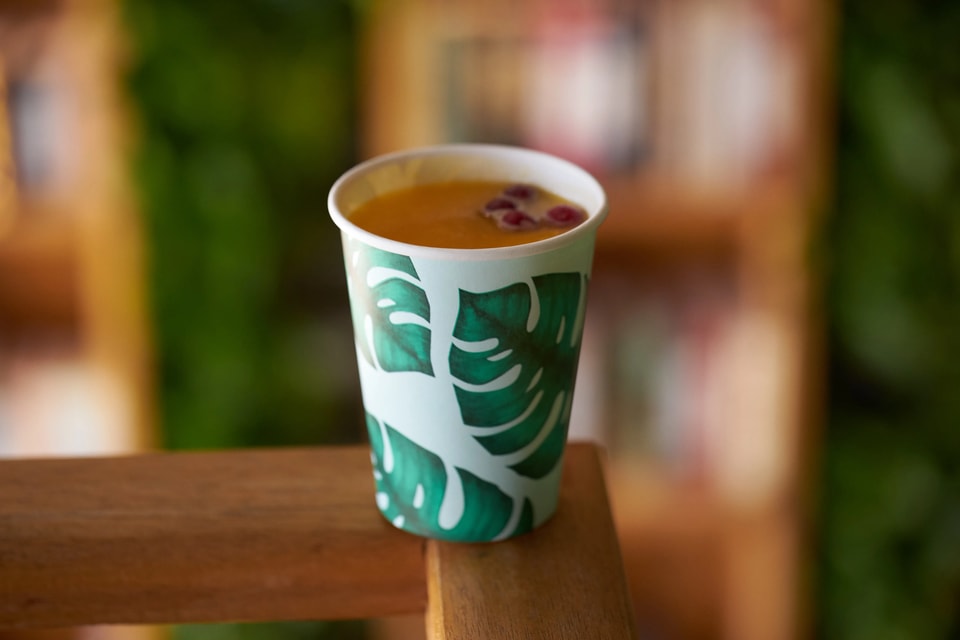
How to Choose a Disposable Thickened Kraft Paper Food Container Manufacturer

9/10, 2026

How to Choose a Disposable Thickened Kraft Paper Food Container Manufacturer

Choosing a disposable thickened kraft paper food container manufacturer is not simply a price comparison. The container must suit the food, perform reliably during service and delivery, and support the quality standards your business expects. For restaurants, takeaway brands, foodservice distributors, and private-label buyers, the right supplier helps turn a packaging requirement into a repeatable purchasing solution. Start by defining the food application, then assess the manufacturer’s production capability, customization support, and quality process. Why Choosing the Right Disposable Thickened Kraft Paper Food Container Manufacturer Matters Food containers are expected to do more than hold a meal. They need to support filling, closing, stacking, transport, and customer use without creating unnecessary operational issues. A container may look acceptable when empty but perform differently once it holds a hot meal, oily food, sauce, or a larger portion. For this reason, buyers should consider paper strength, container shape, lid fit, food temperature, and delivery conditions together. The right manufacturer can help match the packaging format to the intended foodservice application. This is especially important when a business needs a coordinated range of paper cups, paper bowls, takeaway boxes, and food containers rather than a single item. Anbao supplies paper-based packaging for foodservice and beverage applications, including paper cups, paper bowls, food containers, ice cream cups, popcorn tubs, and other customized packaging options. Our production system supports large-volume orders as well as project-based packaging requirements, with six production bases, a 20,000 m² Nanjing factory, annual capacity of 3 billion units, and monthly capacity of 70 million units at the Nanjing base. Check Whether the Kraft Paper Food Container Supplier Has Real Manufacturing Capability A dependable supplier should be able to deliver consistent products, clear communication, and practical support from sampling through delivery. Manufacturing capability becomes particularly important when an order involves custom dimensions, printed artwork, multiple SKUs, or recurring bulk supply. Buyers should also review whether the supplier understands real foodservice operating conditions. A container intended for a retail display, a takeaway counter, or a delivery platform may require different dimensions, packing methods, and product combinations. Anbo uses automated production and lean manufacturing processes to support stable output, flexible customization, and full-cycle service from inquiry and sampling through delivery and follow-up. Our packaging work covers prepared-food packaging, meal and beverage packaging, bakery packaging, and commercial packaging. Our packaging projects illustrate how specialized production and responsive supply can support high-volume customer requirements. To compare formats for different foodservice needs, explore our paper bowl and container series, including round bowls, rectangular bowls, square bowls, food containers, soup bowls, and compostable food containers. Evaluate Thickened Kraft Paper Food Container Material, Structure, and Load Strength “Thickened” should be evaluated through actual product performance, not only by touch or appearance. The right container should match the expected food weight, filling temperature, moisture level, stacking condition, and handling process. When comparing samples, focus on practical checks: Does the container maintain its shape when fully filled? Is the bottom stable during normal carrying? Do the sidewalls and folded areas remain firm after contact with hot food? Can the container be stacked without affecting meal presentation? Does the lid fit securely with the selected food portion? Container shape also affects usability. Rectangular and square formats can be suitable for rice meals, bento, prepared lunches, and portioned foods. Round bowls may be a better match for noodle meals, soups, salads, and mixed dishes, depending on the selected capacity and lid design. A proper sample test should reflect real use. Fill the container with the actual menu item, close it as staff would during service, stack it with other orders, and assess its condition after the expected delivery time. For takeaway meals, prepared foods, snacks, and foodservice packaging, Anbao paper food containers support custom orders, wholesale supply, and sample-based evaluation. This approach allows buyers to review the selected format before confirming a larger purchase. Match Disposable Kraft Paper Food Containers to Hot, Oily, and Saucy Foods Food type should guide container selection from the beginning. A package suitable for dry rice may not be the right choice for soup noodles, curry, fried chicken, salad, or a meal with a high sauce content. Start by identifying whether the food is dry, hot, oily, saucy, chilled, or liquid-rich. Then consider the expected serving size, holding time, transport distance, and whether a lid is required.Soup, curry, noodle dishes, and other liquid-rich meals should always be tested under real operating conditions. Testing should include normal filling temperatures, the intended lid, and the delivery process. This provides a more reliable result than inspecting an empty container. For a menu-based approach to packaging selection, Biodegradable Take Out Containers by Menu Type outlines how paper bowls, food containers, and cups can be matched to rice meals, soups, salads, snacks, desserts, and beverages. Verify Food-Contact Safety, Quality Control, and Sustainability Requirements Food-contact packaging should be selected against clear technical and market requirements. Before requesting a quotation, buyers should explain what food will be packed, where the product will be sold, and what documentation their market requires. A detailed sourcing brief should include: Food type and serving temperature Expected oil, moisture, sauce, or broth content Required capacity and container format Lid requirements Estimated order quantity Target market Branding or customization requirements Expected delivery schedule Sustainability claims should be handled carefully. A kraft-paper appearance does not automatically define the complete material composition or disposal performance of a food container. If your project requires compostable, degradable, recyclable, or other environmental specifications, confirm the relevant product structure and documentation before approving samples or bulk production. Anbao provides customizable food packaging options and holds BSCI, BRC, ISO, and FSC certifications. Clear product requirements help our team recommend suitable packaging options and provide a more accurate quotation. Review Custom Printing, Sizes, Lids, and OEM Options for Kraft Food Containers For restaurants, food brands, and distributors, food packaging also communicates the brand. A well-designed container can create a more consistent takeaway experience while helping distinguish products in a competitive market. Custom options may include logo placement, color, patterns, container size, capacity, box or bowl format, lid selection, and private-label requirements. However, packaging design should be reviewed alongside functionality. Before approving artwork, check the printed sample after the container is formed. Make sure key brand elements remain visible, colors are appropriate, and the artwork works around folds, seams, and closure areas. Then test the finished packaging with the intended food. A clear OEM process usually begins with product requirements. After confirming the food type, capacity, quantity, and artwork, the next steps can include product recommendations, sample preparation, design confirmation, production scheduling, and shipment planning. Anbao offers customization for logos, patterns, colors, and sizes. This gives foodservice brands and packaging distributors more flexibility when developing a coordinated range of takeaway packaging. Compare Samples, MOQ, Lead Time, and Service Before Choosing a Food Container Manufacturer Before placing a bulk order, compare suppliers on the basis of the same specification. A lower quotation may not represent the same container size, capacity, lid option, printing requirement, packaging method, or delivery term. Samples should be tested with real food and normal workflow conditions. Review how the container performs during filling, closure, stacking, transport, and customer use. For a faster and more accurate quotation, prepare a concise request that includes the food type, target capacity, preferred container shape, lid requirement, artwork, estimated quantity, destination market, and requested delivery date. Choosing the right disposable thickened kraft paper food container manufacturer begins with a clear understanding of your foodservice application. Once the food, operating conditions, brand requirements, and supply plan are defined, it becomes easier to select a container that supports both daily service and long-term growth. Anbao supports samples, customization, wholesale supply, and tailored packaging discussions for foodservice projects.
How to Choose the Right Paper Food Container for Takeaway Meals

9/10, 2026

How to Choose the Right Paper Food Container for Takeaway Meals

Choosing a paper food container starts with the food, not the container itself. The right option should suit the portion size, food temperature, moisture, oil content, serving style, and delivery conditions. For restaurants, cafés, takeaway brands, and foodservice distributors, a clear selection process makes it easier to balance food protection, presentation, storage, and purchasing requirements. How to Choose a Paper Food Container by Food Type Different foods place different demands on takeaway packaging. Rice meals, bento, prepared meals, and fast food generally benefit from structured containers that provide enough space for the food and toppings. Noodles and soups require particular attention to depth, filling level, closure, and handling during delivery. For salads, fruit, and other lighter meals, bowl-shaped packaging can provide easier serving and presentation. At Anbao, we offer round, rectangular, and square paper bowls alongside paper food containers for applications including rice, noodles, salads, soup, snacks, bento, and prepared meals. This range makes it easier to build a packaging selection around an actual menu, and our paper food packaging range provides different formats for different foodservice requirements. Paper Food Container Size and Capacity: How to Choose the Right One Capacity should match the actual serving portion, but volume alone is not enough. A container that is too small can make filling and closing difficult. One that is too large may leave unnecessary empty space and affect food presentation. The shape of the food and the amount of headspace required also matter. Our paper food container range includes 590ml, 660ml, 765ml, 800ml, 1080ml, 1400ml, and 1500ml options, along with a Hamburg box format. The listed dimensions vary by capacity and container design. For businesses comparing different formats, the paper food container options can be selected according to portion size, food type, and packaging requirements. Before placing a bulk order, match the container to the actual serving portion and test the filled product. This simple step can prevent problems caused by overfilling, poor presentation, or an unsuitable lid fit. Paper Bowl or Paper Food Container: Which Should You Choose? The better choice depends on the food and how it will be served. A paper bowl can be suitable for soups, salads, noodles, rice bowls, and other meals that are normally eaten directly from the container. A structured paper food container can be more practical for bento, rice meals, fast food, snacks, and prepared takeaway dishes. For businesses with varied menus, using more than one format can be more efficient than trying to standardize every meal into a single container. The important point is to match the packaging shape and capacity to the food, portion, and serving method. How Food Temperature, Moisture and Grease Affect Paper Food Containers Food conditions directly influence packaging requirements. Hot meals can generate steam and condensation. Soups and sauces require careful consideration of container depth, filling level, closure, and handling. Fried or oily foods may require appropriate barrier performance to maintain packaging integrity during use. Cold foods and salads present different challenges, particularly when ingredients, dressings, or temperature changes create additional moisture. The right container should therefore be selected according to the food's actual service conditions rather than by appearance alone. What Material and Coating Should You Choose? Material and coating should be selected according to the intended application, food characteristics, target market, and applicable requirements. For relevant Anbao paper packaging products, available coating options include PE, PLA, and aqueous coatings. The appropriate option depends on the specific product and its intended use; factors such as food type, moisture, temperature, compostability requirements, regulations, and budget may all affect the decision. For B2B purchasing, it is also important to request product-specific food-contact documentation and confirm the applicable requirements for the destination market before finalizing a specification. How to Choose the Right Lid for a Takeaway Paper Food Container A lid should be selected as part of the container system rather than treated as a separate accessory. The fit needs to be considered together with the food type, filling level, headspace, and expected movement during delivery. Soups, sauces, and foods that release moisture can place greater demands on the closure than dry foods. For this reason, test the container and lid together using the actual food and normal serving conditions before confirming a large order. When developing takeaway packaging, we recommend evaluating filling, sealing, stacking, transport, and serving as one complete process. Our practical takeaway packaging guide also explains how food type, portion, moisture, and closure requirements can influence packaging selection. What to Check Before Ordering Paper Food Containers in Bulk Before moving from samples to mass production, confirm the following: Product type and container shape Capacity and dimensions Food application Material and coating Lid compatibility Printing requirements Order quantity Destination market Delivery schedule For a faster quotation, provide the product type, capacity, material or coating preference, estimated quantity, artwork, destination country, and expected delivery schedule. For businesses looking for customized kraft paper food containers, Anbao supports custom logo, pattern, color, size, and private-label requirements, making it possible to align packaging specifications with a brand's menu and visual identity. How to Choose a Paper Food Container Supplier A suitable supplier should be able to support more than product selection. Look for clear specifications, sampling support, customization capability, stable production, and practical packaging recommendations. If your business uses several packaging formats, working with a supplier that can provide paper cups, bowls, and food containers can also simplify sourcing. Anbao supplies paper cups, paper bowls, paper food containers, ice cream cups, popcorn tubs, and other paper-based food packaging for restaurants, takeaway brands, beverage chains, event suppliers, and foodservice distributors. For businesses managing multiple packaging requirements, Anbao's paper food packaging solutions bring different product categories together under one supplier. The supplier should also understand the intended food application and destination market. This makes technical communication more precise and reduces the risk of choosing a specification that looks suitable on paper but does not perform as expected in daily operations. Why Choose Anbao for Custom Paper Food Containers? At Anbao, we develop paper-based food packaging around practical foodservice applications. Our range includes round, rectangular, and square paper bowls, soup bowls, and paper food containers for rice, noodles, salads, soups, snacks, bento, and prepared meals. Custom logo, pattern, color, size, and private-label packaging are available for businesses that need branded packaging. For customized food containers, we can work from the required food application, capacity, material or coating preference, artwork, order quantity, and destination market to define a suitable specification. Our experience across different packaging applications helps us understand how product specifications need to work in real foodservice environments. Examples of Anbao food packaging projects include prepared food packaging, meal and beverage packaging, bakery packaging, and commercial packaging. Conclusion Choosing the right paper food container means looking beyond capacity alone. The best option brings together the food type, portion size, container shape, temperature, moisture or grease level, coating requirement, lid fit, serving method, and delivery conditions. Testing the selected container and lid with the actual menu item before bulk ordering helps confirm that the packaging performs reliably during filling, stacking, transport, and serving. For restaurants, takeaway brands, and foodservice distributors, Anbao can help translate these practical requirements into a suitable paper food packaging specification, including custom logo, pattern, color, size, and private-label options. Explore Anbao’s paper food packaging range or contact Anbao with your food application, required capacity, coating preference, artwork, order quantity, and destination market to discuss samples and customized packaging solutions.
What to Ask a Custom Logo Single Wall Coffee Cup Manufacturer Before Ordering

9/10, 2026

What to Ask a Custom Logo Single Wall Coffee Cup Manufacturer Before Ordering

Choosing a custom logo single wall coffee cup involves more than selecting a size and sending an artwork file. The paper material, coating, printing requirements, quantity, and delivery schedule all need to match the intended application. Before placing a bulk order, ask the right questions. This helps you confirm the cup specification, avoid unnecessary changes, and make sure the finished cups meet your branding and packaging requirements. What Single Wall Coffee Cup Specifications Should You Confirm Before Ordering? Start with the cup itself. Confirm the capacity, dimensions, paper material, coating, and intended beverage application before discussing the final price. The required capacity depends on how the cup will be used. For takeaway coffee, for example, a buyer may need different sizes for espresso-based drinks, regular coffee, or larger beverages. Lid compatibility should also be considered if the cups will be used for takeaway service. For custom orders, it is better to provide the required capacity and estimated quantity at the quotation stage. This gives the manufacturer a clear starting point for recommending a suitable specification. Anbao's single wall coffee paper cups are available in sizes from 4oz to 24oz, including 8oz, 10oz, 12oz, 16oz, 20oz, 22oz, and 24oz options. Different capacities are available with corresponding cup dimensions, making it easier to select a format according to the serving requirement. Explore Anbao's paper cup range to compare single wall, kraft, double wall, ripple wall, and other paper cup formats. Which Paper and Coating Options Are Available for Custom Coffee Cups? The coating is another specification that should be confirmed before production. It provides the barrier layer between the paperboard and the beverage, so the choice should match the intended use and market requirements. For custom single wall coffee cups, the main options include PE, PLA, and aqueous coating. These options should not be treated as interchangeable. Beverage type, compostability requirements, applicable market regulations, and budget can all influence the appropriate choice. If you specifically need an aqueous coating coffee cup, tell the manufacturer this requirement before quotation. The same applies when you have a defined material requirement for a particular market. Anbao's single wall coffee cup range offers PE, PLA, and aqueous coating options, with the material and coating selected according to the product application and market requirements. View the custom logo single wall coffee cup specifications to see the available coating options and cup sizes. What Custom Logo and Printing Options Can a Coffee Cup Manufacturer Provide? Once the cup specification is clear, the next question is how much of the design can be customized. Ask whether the manufacturer can handle your logo, patterns, colors, and private-label requirements. It is also important to confirm the artwork format and whether the final design needs to be approved before production. For a branded coffee cup, the artwork should be prepared with the actual cup dimensions in mind. This helps ensure that the logo, text, and other design elements are positioned correctly on the finished cup. Anbao supports custom logo printing, custom patterns, custom colors, private-label packaging, and tailored cup sizes. This allows coffee shops, beverage brands, restaurants, event suppliers, and distributors to develop cups around their own branding requirements. The best time to confirm these details is before quotation, because artwork requirements and cup specifications can affect the production solution. Requesting samples before confirming an order for custom single-wall coffee cups A physical sample allows you to evaluate the actual cup before committing to a larger order. When reviewing a sample, check the cup size, shape, paper feel, printing appearance, bottom construction, and overall finish. If the cup will be used for takeaway beverages, also check whether the selected lid fits correctly. For custom printing, the physical sample is particularly useful because it lets you review the artwork on the actual cup material rather than relying only on a digital design file. Anbao supports sample orders, customization, and wholesale direct supply. When requesting a sample or quotation, provide the cup size, material, coating, logo artwork, quantity, and destination country so the required specification can be discussed clearly. What MOQ, Lead Time, and Bulk Order Terms Should You Ask About? A competitive unit price is only one part of a successful custom paper cup order. Before confirming production, ask about MOQ, sample timing, production lead time, packaging, and delivery arrangements. The information you provide at the quotation stage can make the process much more efficient. Anbao recommends including the product type, capacity, quantity, artwork file, coating preference, destination country, and expected delivery schedule when requesting a quotation. For repeat orders, it is also useful to keep the cup specification and approved artwork clearly documented. This reduces the possibility of unnecessary changes when you reorder. If you are sourcing several types of foodservice packaging, discussing them together can also simplify purchasing. Anbao supplies paper cups alongside paper bowls, food containers, ice cream cups, popcorn tubs, and other paper-based food packaging. How Can You Check the Quality and Manufacturing Capability of a Paper Cup Supplier? Before choosing a supplier, make sure the manufacturer can clearly handle the specifications that matter to your order. Ask about the available cup formats, materials, coatings, customization options, sampling process, and wholesale supply. For international orders, also confirm any documentation or market requirements that apply to your destination country. Anbao provides paper-based food packaging for coffee shops, restaurants, takeaway brands, beverage chains, event suppliers, foodservice distributors, and private-label buyers. The product range covers single wall and other paper cup formats as well as paper bowls and food containers. This broader range can be useful when you need coordinated packaging rather than a single cup specification. Our team can also review the usage scenario, serving temperature, target market, order quantity, and delivery destination when discussing a packaging project. What Should You Confirm Before Ordering Custom Logo Single Wall Coffee Cups? Before placing a bulk order for custom logo single wall coffee cups, confirm that the cup capacity, paper material, coating option, lid compatibility, artwork requirements, sample approval, MOQ, production schedule, and delivery arrangements all fit your actual application. Clear specifications at the quotation stage help prevent avoidable revisions and ensure the finished cups meet both your branding expectations and foodservice packaging needs. Whether you need PE, PLA, or aqueous coating; a standard or tailored cup size; or coordinated paper packaging for a broader product range, Anbao can discuss the appropriate solution based on your beverage type, target market, order quantity, artwork, and destination. Prepare these details in advance, then contact Anbao to review custom single wall coffee cup specifications, sample options, and wholesale supply requirements.
7 Common Problems with Paper Food Containers and How to Avoid Them

9/10, 2026

7 Common Problems with Paper Food Containers and How to Avoid Them

Paper food containers are widely used for takeaway meals, fast food, bento, rice, noodles, salads, soups, snacks, and other foodservice applications. Choosing the right container, however, involves more than selecting a suitable size or appearance. Leakage, grease penetration, softening, deformation, and poor lid fit can affect the way food is packaged, transported, and served. The right solution starts with understanding the food, portion size, serving conditions, and delivery requirements. Here are seven common paper food container problems and practical ways to avoid them. Why Do Paper Food Containers Leak? Leakage is a common concern when packaging soup, sauces, or other foods with high moisture content. The risk can increase when the container is not well matched to the food or when it is overfilled. Movement during takeaway and delivery can also place additional pressure on the container and lid. For this reason, container selection should begin with the type of food being packed. A dry snack does not require the same packaging considerations as soup or a meal with a large amount of sauce. Capacity, container structure, lid fit, and handling conditions should be considered together. This approach helps reduce leakage risks while making the packaging more practical for everyday foodservice use. Why Do Paper Food Containers Become Soft or Lose Their Shape? Moisture, steam, and prolonged contact with hot or wet foods can affect the condition of a paper container. The key is to match the container with its intended application. Different meals have different requirements, so one container format may not be suitable for every item on a menu. Size also matters. A container that is too small can make filling and closing more difficult, while an unsuitable shape may reduce stability during handling. For foodservice businesses serving different types of meals, having access to several container formats can make this selection easier. Anbao provides paper bowls and food containers in different formats, including round, rectangular, and square bowls, paper food containers, and soup bowls. These options can be matched with different food types and serving requirements rather than relying on a single container for an entire menu. How Can You Prevent Grease from Penetrating Paper Food Containers? Grease is another important consideration for fried foods, fast food, rice dishes, and meals served with sauces. When packaging is not suitable for the food, oil and grease can affect the container's surface and make it less comfortable to handle. The problem may become more noticeable when food remains in the container for an extended period. A practical selection process should consider the food type, temperature, moisture, grease content, and expected holding time. Packaging should be evaluated according to the actual application rather than appearance alone. For foodservice businesses with varied menus, using different container formats can provide greater flexibility. The goal is to give each food item a suitable packaging environment without unnecessarily complicating daily operations. Why Do Paper Food Containers Deform During Takeaway and Delivery? A paper food container may face very different conditions after leaving the kitchen. Filled containers can be stacked, moved, placed inside delivery bags, and transported over uneven routes. The weight and volume of the food should therefore be considered when selecting container size and shape. A container that is too large for a small portion may not stack efficiently, while an undersized container can make filling and closing more difficult. The lid is equally important. A properly matched lid helps keep the package closed during handling and transportation. For takeaway businesses, packaging should be considered as part of the entire workflow—from filling and closing to stacking, delivery, and serving. This is also why container selection should take the actual foodservice process into account instead of focusing only on the appearance of the packaging. How Should You Choose the Right Size, Shape and Lid? Start with the food and portion size. Rice meals, noodles, salads, soups, snacks, and prepared meals have different packaging needs. The container should provide enough capacity for the intended serving without leaving excessive unused space. Shape also affects handling and presentation. Round bowls can be suitable for soups and bowl-style meals, while rectangular and square formats can work well for prepared meals, bento, snacks, and takeaway food. The lid should be selected together with the container. A suitable combination makes filling, closing, stacking, and transportation easier. When sustainability is part of the packaging brief, the material and product structure need to be considered alongside the food application. Anbao's compostable food containers include round and square formats as well as single- and multi-compartment designs, providing options for fast food, bento, light meals, and takeaway applications. Different capacities and configurations can help businesses select a format that fits their serving requirements. What Should Buyers Check Before Ordering Paper Food Containers? Unit price is important, but it should not be the only consideration when purchasing paper food containers. Before placing an order, buyers should confirm: What type of food will be packed? What capacity and dimensions are required? Will the food be hot, cold, dry, oily, or liquid? What container shape is most practical? Is a compatible lid required? Are custom sizes, colors, patterns, or logos needed? What quantity is required? Should samples be tested before bulk production? Customization is particularly useful for restaurant groups, foodservice distributors, and private-label brands. Consistent sizes, colors, patterns, and printed designs can create a more unified packaging presentation. For customized orders, it is useful to provide the intended food application, dimensions, capacity, artwork, quantity, and delivery requirements at the beginning of the purchasing process. Anbao supports customization for product sizes and branding requirements, while sample orders and wholesale purchasing provide practical options for businesses evaluating packaging before larger-scale procurement. How Can Anbao Help You Choose the Right Paper Food Container? There is no single paper food container that suits every menu. A more effective approach is to match the container with the food, portion size, serving conditions, and delivery process. Anbao provides paper bowls and food containers in multiple formats for foodservice applications, including round, rectangular, and square bowls, soup bowls, paper food containers, and compostable food containers. The same principle applies to customized packaging. Instead of starting with a fixed container and adapting the food to it, businesses can define their portion size, food type, packaging format, branding, and application requirements first. The resulting specification can then be evaluated according to actual operating conditions. For restaurants, distributors, takeaway businesses, and private-label brands that need samples, customized specifications, or wholesale supply, contact Anbao with your packaging requirements. Clear information about the food, size, quantity, design, and intended use helps make the next step more efficient. Final Thoughts Most paper food container problems can be reduced by making the right packaging decision before production or purchasing. Start with the food, then consider moisture, grease, temperature, portion size, shape, lid compatibility, stacking, and delivery conditions. The right combination can improve packaging performance while making everyday foodservice operations more efficient. For restaurants, foodservice distributors, takeaway businesses, and private-label brands, choosing suitable container formats and customization options can make packaging procurement more straightforward and consistent.
Compostable Take Out Boxes vs. Plastic Food Containers: A Practical Guide for Foodservice Buyers

9/10, 2026

Compostable Take Out Boxes vs. Plastic Food Containers: A Practical Guide for Foodservice Buyers

Plastic food containers and paper-based takeaway boxes are the two formats most often considered by restaurants, cafés, delivery kitchens, quick-service brands, and foodservice distributors. Both remain widely used because they solve different problems in daily operations—from keeping food intact and controlling moisture to speeding up packing and shaping the customer’s first impression of an order. When evaluating compostable take out boxes, the most useful question is not simply whether paper is better than plastic. Foodservice buyers need to determine which packaging system fits their menu, delivery model, total operating cost, brand presentation, and local end-of-life conditions. The comparison below focuses on the practical strengths and limits of both formats. Plastic Food Containers: Key Advantages and Limitations Strengths for Wet Foods, Visibility, and Sealing Plastic food containers are often used for salads, desserts, sauces, fruit, chilled meals, and other products where moisture handling or clear food visibility matters. Clear and semi-clear formats allow customers to see ingredients before opening the pack, while container-and-lid systems can offer a familiar approach to packing foods with dressings, sauces, or liquid components. However, plastic containers should never be treated as one uniform product category. Their performance depends on the resin, wall thickness, container shape, rim design, lid fit, intended temperature range, and food-contact suitability. A container that works well for cold salads may not be appropriate for hot noodles, oily meals, or long-distance delivery without further testing. Operational Value and Environmental Trade-Offs For busy kitchens, plastic packaging can support a quick fill-and-close workflow. Standardized container sizes may be easy to stack, label, and check before handoff, and transparent formats can help staff identify meal contents during peak delivery periods. Its environmental profile requires a more specific review. Whether a plastic container is actually recovered after use can depend on the material type, food contamination, local collection rules, and regional processing capacity. A “recyclable” claim should therefore be reviewed against the destination market rather than used as a universal environmental conclusion. Compostable Take Out Boxes: Key Advantages and Limitations \ Why Paper-Based Boxes Are Increasingly Considered Paper-based takeaway boxes are increasingly considered by brands that want stronger packaging presentation and a more consistent fiber-based look across food containers, beverage cups, bowls, bags, and accessories. They can carry logos, color systems, instructions, and menu information in a way that turns the outer pack into a more visible brand touchpoint. For suitable foodservice programs, compostable take out boxes can also support a move away from conventional plastic formats. Still, paper-based does not automatically mean compostable, and compostable does not mean the same disposal outcome is available everywhere. Material structure, coating or barrier layers, supporting documentation, and local waste-management conditions must all be considered together. Performance and Disposal Conditions Need Testing The performance of a paper takeaway box depends on the complete structure: paperboard, barrier treatment, folds, seams, closures, and manufacturing consistency. Those elements determine how well the box handles heat, steam, grease, sauce, stacking pressure, and delivery movement. Paper containers may be suitable for hot and cold food applications, but actual suitability depends on the intended product design and use conditions. For some paper-based products, compostability can also depend on specific treatment conditions. PLA-lined paper products, for example, may require industrial composting conditions rather than standard household disposal, so buyers should confirm whether the intended market has an appropriate collection and processing route. How to Select the Best Option by Foodservice Use Case Hot Meals, Fried Foods, and Sauced Dishes Hot rice meals, noodles, curries, pasta, fried chicken, fries, and sauced dishes generate heat, steam, oil, and liquid that can challenge both container materials and closure systems. Plastic food containers may be considered where a lid-and-rim seal is important for liquid-heavy dishes, while paper-based compostable take out boxes can work where the board, barrier layer, folds, and closure structure are designed for the relevant temperature and delivery duration. In either case, test filled containers through holding, stacking, shaking, and delivery simulation before making a large-scale packaging change. Salads, Cold Foods, Desserts, and Fresh Meals For salads, chilled meals, desserts, fruit, bakery items, and light foods, buyers often prioritize food visibility, condensation management, sauce separation, display value, and customer opening experience. Clear plastic containers can showcase colorful ingredients, while paper-based formats can create a more consistent branded exterior. Both options should be tested with real dressings, fruit juice, chilled ingredients, and actual delivery conditions, as moisture and condensation can change how a package performs. Multi-Item Meals and Long-Distance Delivery For family meals, bundle orders, group meals, and long-distance delivery, assess the complete order rather than an individual container. Test plastic containers and paper takeaway boxes alongside drinks, sauces, bags, and other meal components to check stacking stability, weight distribution, steam effects, leakage risk, food movement, and the customer’s opening experience from kitchen handoff to delivery. Why Recommend Compostable Take Out Boxes? A Paper-Based Option for Suitable Applications Compostable take out boxes are worth considering when the food type, delivery process, material design, and disposal conditions support their use. They can help brands reduce reliance on conventional plastic formats, develop a more cohesive paper-based packaging program, and create a practical takeaway solution for applications that have been validated for temperature, grease, moisture, closure performance, and delivery handling. Stronger Potential for Branded Customer Experience Paper-based takeaway boxes can work as both containers and visible brand touchpoints. They offer space for logos, brand colors, menu cues, handling instructions, and accurate disposal guidance, helping delivery-led businesses extend a consistent experience beyond the restaurant. This only works well when the graphic layout is planned around folds, closures, food-contact areas, and the way customers actually carry and open the box. Why Choose Anbao for Compostable Take Out Boxes? Integrated Paper Food Packaging and Customization Anbao develops paper cups, paper bowls, paper lunch boxes, and related food packaging accessories, allowing foodservice and beverage buyers to evaluate coordinated packaging rather than source each product category separately. Logo, pattern, color, and size customization can help align takeaway boxes, drinkware, and supporting items with one visual identity. For brands reviewing paper-based packaging across multiple foodservice categories, paper food packaging offers a useful starting point. The final format should still be selected based on the food, fill temperature, oil and sauce level, delivery conditions, artwork requirements, and destination-market expectations. Quality Systems and Manufacturing Capability Anbao’s listed certifications and management-system credentials include FSC, FSSC 22000, BRC, ISO 9001, ISO 14001, ISO 22000, and BSCI. These provide B2B buyers with a structured starting point for reviewing food-safety, quality, environmental, responsible-sourcing, and supplier-management practices. For any packaging project, certification review should be paired with order-specific checks. Buyers should confirm the validity and scope of documentation, the material structure of the proposed container, product applicability, food-contact requirements, and the relevant rules in the intended sales market. A Specification-Led Approach to Customization A successful paper-based packaging project starts with a practical brief: food type, box dimensions or capacity, filling temperature, oil and sauce level, delivery duration, artwork, expected order volume, and destination market. This allows the packaging structure, visual design, and use requirements to be discussed together rather than as separate decisions. Explore custom compostable food packaging with these conditions defined, then validate samples using the real food and delivery workflow before scaling the order. This approach reduces the risk of selecting a box based on appearance alone and discovering performance issues after rollout. Conclusion: Choose Based on Performance, Cost, and Verified Fit Use the Complete Foodservice Journey as the Decision Standard Plastic food containers and compostable take out boxes both have valid roles in foodservice. Plastic can be a practical choice for some applications that need food visibility, moisture handling, or familiar lid-based sealing. Paper-based compostable boxes can be attractive for brands seeking a printed paper format, a coordinated packaging identity, and a verified fiber-based or compostability strategy. The best decision comes from assessing the complete foodservice journey: food preparation, filling, packing, stacking, delivery, customer opening, total operating cost, product documentation, and realistic disposal conditions. Material names, unit prices, and broad marketing claims are not enough to predict whether a package will work in a live operation. Start Your Packaging Evaluation with Anbao Start by defining the menu, container size, filling temperature, moisture level, sauce content, delivery time, artwork needs, expected purchase volume, and target market. These details make it easier to compare packaging formats, request the right supporting documentation, and evaluate physical samples under the conditions that matter to your business. Explore compostable food packaging solutions or contact Anbao to discuss a paper-based takeaway packaging option before a full rollout. Share your menu, delivery conditions, artwork, and market requirements to evaluate a packaging solution that can be tested before it is introduced across your operation.
Biodegradable Ice Cream Cup Manufacturer in China: Custom Paper Packaging by Anbao

8/31, 2026

Biodegradable Ice Cream Cup Manufacturer in China: Custom Paper Packaging by Anbao

As ice cream, gelato, frozen yoghurt, and dessert brands move toward more responsible packaging choices, biodegradable ice cream cups have become an important part of the foodservice packaging conversation. For brands serving frozen desserts in stores, at events, through takeaway counters, or via delivery platforms, the right cup must do more than look environmentally friendly. It must also hold its shape, resist moisture, support food safety, and present the brand professionally. Anbao Environmental develops paper food packaging for beverage, takeaway, bakery, ice cream, and restaurant applications. Its custom biodegradable ice cream cups support sampling, customised branding, wholesale supply, and different packaging requirements for foodservice buyers. Why Biodegradable Ice Cream Cups Matter Traditional disposable packaging can create a visible waste burden for foodservice brands. Ice cream is frequently sold in single-use cups because the product needs a hygienic and convenient serving format. However, many international dessert businesses now want packaging that better aligns with their sustainability direction, brand values, and customer expectations. A biodegradable ice cream cup offers a paper-based packaging option for frozen desserts. Rather than focusing only on visual design, the cup is developed around the practical demands of cold food: product moisture, condensation, melting, spoon use, stacking, takeaway handling, and delivery. For a brand, the value of biodegradable paper packaging is not limited to an environmental message. It can also create a more consistent packaging system across ice cream, cold drinks, bakery products, takeaway meals, and other foodservice categories. Paper-Based Structure for Frozen Desserts A paper ice cream cup is a functional food container with several important structural elements. The outer paperboard creates the cup shape and provides a printable surface for a logo, colour system, campaign message, or product information. The internal barrier layer helps the cup handle moisture and maintain its performance when it comes into contact with frozen desserts. This structure matters because ice cream packaging must remain reliable throughout the serving process. The cup may move from storage to a serving counter, then into a consumer's hand or a takeaway bag. During that journey, the packaging can be exposed to cold temperatures, condensation, melting ingredients, and physical handling. Anbao's paper cup packaging solutions include single-wall cups, double-wall cups, ripple cups, cold-drink cups, kraft paper cups, and products described with PE, PLA, and aqueous-coating options. This broader range reflects the fact that foodservice paper cups are designed for different temperature conditions, product types, and service scenarios. For biodegradable ice cream cup applications, the key is to use a cup structure that balances paper-based packaging goals with the actual needs of frozen desserts. A cup that works well for dry snacks may not offer the same performance for gelato, frozen yoghurt, or ice cream with sauces and toppings. Biodegradable Packaging Should Work in Real Service The value of a biodegradable ice cream cup depends on both its environmental positioning and its in-use performance. A cup should remain stable when filled, keep its form during normal serving time, and provide a clean presentation for the customer. For dine-in service, cup appearance, stacking efficiency, and handling comfort can be important. For takeaway and delivery, secure lid compatibility, resistance to movement, and the ability to manage condensation become more relevant. For retail and event settings, printed branding and visual consistency may have a greater impact on how customers perceive the product. This is why biodegradable ice cream packaging should be developed around the actual dessert experience. The cup needs to complement the product instead of becoming a weak point in service. A well-designed paper cup supports the dessert's texture, presentation, and convenience while giving the brand a paper-based packaging format for its sustainability communication. Environmental language should also remain accurate. “Biodegradable,” “compostable,” and “recyclable” are not identical claims, and the appropriate description depends on the final cup structure and the disposal conditions of the market. Brands should therefore describe the finished packaging carefully and base their environmental communication on the exact product configuration. Custom Ice Cream Cups for Brand Identity Ice cream and dessert packaging is highly visible. Customers often hold the cup while taking photos, sharing products on social media, walking through a shopping centre, or receiving an order at home. A custom cup can turn a practical serving container into a recognisable part of the brand experience. Anbao supports custom logo, pattern, colour, and size requirements for its paper food packaging products. This allows ice cream businesses to develop cups that match their established visual identity, seasonal promotions, flavour launches, or multi-location operations. Brand logo and graphic design. Single-colour or multi-colour printing. Different cup capacities for small, regular, and sharing portions. Cup formats for ice cream, gelato, frozen yoghurt, and desserts. Matching packaging choices for beverages, bakery products, and takeaway food. Packaging concepts for independent stores, franchise groups, distributors, and foodservice chains. For a growing dessert brand, consistent packaging can make the product easier to recognise across store service, takeaway orders, and delivery channels. It can also help create a unified presentation when ice cream cups are used alongside branded cold-drink cups, paper bowls, or food containers. From Ice Cream Cups to Foodservice Packaging Ice cream cups are often only one part of a wider packaging requirement. Many dessert businesses also sell coffee, milk tea, juices, snacks, bakery items, fruit cups, or takeaway meals. Using compatible paper packaging across these categories can simplify brand design and strengthen the overall customer experience. Anbao's published food packaging range covers paper cups, ice cream cups, paper bowls, food containers, popcorn tubs, and other foodservice formats. Its food packaging application projects show applications across beverages, takeaway meals, bakery, ice cream, popcorn, and restaurant packaging. This broader product range is relevant for businesses that want to develop a coherent paper packaging programme rather than source every packaging item from a separate supplier. A brand may begin with biodegradable ice cream cups, then extend its packaging identity to cold drinks, hot beverages, desserts, and takeaway food containers as the business expands. Paper Packaging Experience at Anbao Anbao Environmental Technology has focused on paper food packaging since 1996. The company presents itself as a manufacturer of disposable paper cups and food packaging products, with services covering custom logo, pattern, colour, and size requirements. Its public materials also state BSCI, BRC, ISO, and FSC-related quality credentials. The company's project information describes its paper packaging applications across foodservice sectors and records long-term cooperation projects with brands in beverage, restaurant, and consumer-food markets. These applications demonstrate how paper cups, bowls, and containers can be adapted to different commercial foodservice needs. For ice cream brands, this experience matters because frozen-dessert packaging needs both product suitability and visual flexibility. A biodegradable ice cream cup should support the brand's environmental direction while remaining suitable for normal serving, storage, takeaway, and delivery operations. A Paper-Based Direction for Frozen Dessert Brands Biodegradable ice cream cups give foodservice brands a practical way to move toward paper-based packaging while maintaining an attractive customer-facing presentation. The right solution combines cup shape, paper structure, barrier performance, branding, and the appropriate environmental communication for the final packaging configuration. For brands, distributors, and foodservice operators looking for customised packaging from China, Anbao Environmental Technology provides paper food packaging solutions for ice cream, beverage, takeaway, bakery, and restaurant applications. A custom project can begin with the intended dessert type, cup size, visual design, lid requirement, service scenario, and target market. With the right paper cup design, biodegradable ice cream packaging can support both daily frozen-dessert operations and a clearer long-term packaging direction.
Biodegradable Coffee Cup Manufacturer in China: Sustainable Solutions for Global Beverage Brands

8/31, 2026

Biodegradable Coffee Cup Manufacturer in China: Sustainable Solutions for Global Beverage Brands

For cafés, beverage chains, restaurant groups, and foodservice distributors, shifting toward responsible paper-based packaging is more than a trend—it’s a necessity. However, the objective isn't simply replacing one disposable cup with another. It’s about finding a sustainable solution that delivers dependable performance, customer comfort, and striking custom branding. At Anbao Environmental, we understand that a biodegradable coffee cup must perform flawlessly from the barista's counter to the customer's hands. It requires a stable body, reliable leak resistance, a smooth rim, secure lid compatibility, and excellent heat insulation. As a leading biodegradable coffee cup manufacturer in China, Anbao produces versatile paper packaging tailored to your specific beverage applications and sustainability goals. Biodegradable Coffee Cups for Foodservice Brands Takeaway coffee, delivery orders, and branded beverage retail have made the disposable cup a visible part of the customer experience. A cup is handled by baristas, carried through daily commutes, placed in delivery bags, and frequently appears in customer photos. Its performance and appearance influence how consumers experience the beverage brand. Paper-based cups are widely used because they offer practical handling, scalable manufacturing, printability, and suitability for busy foodservice operations. When a business adopts a biodegradable coffee cup direction, the cup’s paperboard, barrier solution, forming quality, print design, and overall structure need to work together. The result should be more than an environmentally positioned product. It should remain dependable during hot-beverage service, protect the drink, stay comfortable to hold, and create a professional visual impression. For global coffee and beverage brands, this balance helps make biodegradable packaging part of a workable operating system rather than a short-term marketing change. Tailored Material & Coating Solutions The paperboard body forms the core of the cup, but the inner coating dictates its functional and environmental performance. We offer three distinct coating options to match your regulatory and operational needs: PLA-Coated Coffee Cups (Compostable): Ideal for brands committed to a fully biodegradable program. PLA (Polylactic Acid) offers excellent liquid resistance and structural stability for hot and cold beverages while remaining commercially compostable. Aqueous-Coated Coffee Cups (Recyclable/Compostable): The latest innovation in sustainable packaging. Water-based (aqueous) coatings provide a robust barrier without traditional plastics, making the cups widely accepted in standard paper recycling streams and composting facilities. PE-Coated Coffee Cups (Traditional): While PE (Polyethylene) is a highly reliable and cost-effective barrier for conventional foodservice needs, we are transparent with our clients: PE-coated cups are not biodegradable. We offer them as part of a diverse portfolio to suit different market requirements. Engineered Structures for Hot Drink Service A sustainable material is only effective if the cup works in real-world conditions. Anbao offers multiple structural formats to ensure optimal heat insulation, stacking efficiency, and branding space: Single-Wall Cups: A straightforward, cost-effective solution for standard beverage service. They offer a broad, smooth canvas for custom printing. Best paired with a sleeve for extra-hot drinks. Double-Wall Cups: Designed for premium coffee programs. The extra paper layer provides excellent heat insulation and hand comfort without needing a sleeve. Case Study: For our BP project, we engineered a top-and-bottom rolled double-wall cup. When filled with 100°C water, the inner temperature held at 90°C while the outer wall remained a comfortable 65°C. Ripple-Wall Cups: Features a textured external layer that creates an insulating air pocket and enhances grip. This tactile, kraft-style format is highly popular among specialty roasters and artisan bakeries. Flawless Custom Printing & Branding Your coffee cup is a highly visible, mobile billboard for your brand. Whether moving from a café counter to an office or being featured in customer photos, visual consistency is paramount. Anbao offers comprehensive customization, including logos, solid color blocks, and intricate seasonal patterns, ensuring your biodegradable cups look just as vibrant and professional as conventional packaging. Intelligent Manufacturing & Uncompromising Quality A reliable manufacturer must offer more than just a good sample; they must deliver consistency across billions of units. Massive Scale: We operate 6 intelligent production bases. Our Nanjing facility alone spans 20,000 m² with a monthly capacity of 70 million units. Our total annual capacity reaches 3 billion units. Global Certifications: Our facilities operate under strict international standards, proudly holding BSCI, BRC, ISO, and FSC certifications. Precision QC: From structural stiffness and smooth rims to perfectly aligned printing and secure bottom seams, our quality control ensures every batch protects your brand's reputation. Proven Track Record with Global Brands Our long-term partnerships demonstrate our ability to handle high-volume, strict-quality projects: Master Kong: Supplied 3 million paper bowls daily, maintaining an astonishing 0.1 PPM defect rate over a 17-year partnership (2004–2021). DE (Douwe Egberts): Delivered 20 million cups monthly with a 100% on-time delivery rate, consistently passing their rigorous global supply-chain audits. Why Partner with Anbao? Building a successful biodegradable coffee cup program requires a partner who understands materials, manufacturing, and global foodservice demands. Anbao provides everything under one roof: versatile cup structures, advanced PLA/Aqueous coatings, full customization, and proven export reliability. Ready to upgrade your beverage packaging? [Contact Anbao today] to request samples, explore our aqueous and PLA solutions, and build a stronger, more sustainable packaging program for your brand. Build a Stronger Biodegradable Coffee Cup Program A biodegradable coffee cup program succeeds when material direction, cup structure, beverage performance, custom branding, and reliable manufacturing are developed together. The cup must support the intended packaging objective while remaining stable, comfortable, visually consistent, and suitable for everyday coffee service. For overseas coffee businesses and foodservice buyers, Anbao offers a paper-based packaging portfolio with multiple cup structures, publicly listed PLA and aqueous coating choices, customization support, quality credentials, and published paper food packaging project experience. A complete product specification can bring these elements together into a biodegradable coffee-cup solution suited to the requirements of a specific beverage brand.
Custom Disposable Double Wall Coffee Cups_ A Complete B2B Buyer’s Guide

8/25, 2026

Custom Disposable Double Wall Coffee Cups_ A Complete B2B Buyer’s Guide

For café chains, restaurant groups, beverage brands and international foodservice distributors, custom disposable double wall coffee cups go far beyond standard takeaway supplies. They serve as vital brand touchpoints, balancing heat insulation, user safety, takeaway functionality, food-contact compliance and consistent brand aesthetics. For B2B procurement teams, smart purchasing decisions depend on precise technical specifications and structured supplier audits—not product photos or the lowest upfront quotes. Every custom disposable double wall coffee cup must align with your beverage type, lid compatibility, serving temperature, end-user scenarios, brand artwork guidelines and in-store or delivery operations. This guide outlines the critical sourcing considerations for premium double wall cups, delivering B2B-focused insights for buyers working with professional manufacturers such as Anbao. What Makes a Double Wall Coffee Cup Different? Disposable double wall coffee cups use a dual-layer paper structure: an inner cup body and an outer paper layer. This construction creates an insulating air gap that helps reduce heat transfer from hot beverages to the user’s hand, often eliminating the need for separate paper sleeves in takeaway and on-site service scenarios. Suitable for takeaway coffee, tea, lattes and other hot beverages, double wall cups offer a smooth, premium exterior finish compared with many single wall alternatives. They can improve customer comfort while simplifying store service workflows. However, “double wall” is a structural description rather than a complete performance guarantee. Buyers should still validate paper thickness, coating type, capacity, heat resistance and lid compatibility for their actual operating conditions. Single Wall vs Double Wall vs Ripple Wall Cups The right cup structure depends on beverage temperature, service model, storage requirements and brand positioning. Cup Type Best-Fit Scenario Key Advantages Main Considerations Single Wall Cups Lukewarm beverages and short in-store service cycles Lightweight and budget-friendly Usually require sleeves for hot drinks Double Wall Cups Mid- to high-end beverage brands and takeaway-focused operations Integrated insulation, smooth printable surface and premium appearance Confirm actual insulation performance, lid fit and paper specifications Ripple Wall Cups Niche hot-drink applications requiring added grip Enhanced grip and heat insulation Textured surface may limit precise printing and can affect storage efficiency Core Procurement Principle: There is no universal “best” cup structure. Select the option that best matches your beverage menu, cup sizes, service speed and customer-experience standards. Step-by-Step Specification Formulation A detailed, standardized RFQ is essential for accurate supplier quotations, reliable sampling and stable mass production. Vague requests such as “custom coffee cups” can lead to inconsistent specifications, production delays and finished goods that do not meet the intended market requirements. 1. Confirm Cup Capacity and Applications Align cup SKUs with your beverage menu and service models: Define nominal capacity and standard filling level, such as 8oz, 12oz or 16oz. Clarify applicable beverages, including hot coffee, tea, lattes and seasonal drinks. Confirm service scenarios: dine-in, takeaway, delivery or mixed use. Lock compatible lid models and rim-size specifications. Define artwork requirements, including fixed logos, seasonal designs and multilingual text. Provide monthly or annual demand forecasts and reorder cycles for supply planning. 2. Define Actual Usage Conditions Product performance should be assessed under real operating conditions. Key evaluation criteria include filling temperature, maximum holding time, delivery duration, in-store stacking and storage requirements, and fast lid installation during peak service periods. Always test the complete packaging set—cup, lid, beverage and carrying accessories—rather than assessing the cup in isolation. 3. Build a Complete RFQ Document A complete RFQ for disposable double wall coffee cups should include cup dimensions, order quantity, target market, structural requirements, coating preferences, artwork files, packaging standards, destination country, Incoterms and target delivery schedule. It should also clearly state your requirements for pre-production samples, print proofs, food-contact compliance documents and applicable certifications. This helps avoid approval delays and misunderstandings before production begins. Material and Coating Selection Paperboard and barrier coatings affect food-contact suitability, liquid resistance, heat performance and sustainability messaging. Buyers should match the material solution to local regulations, end-of-life infrastructure and brand positioning. PE Coating PE coating is an established, cost-effective option for disposable paper cups. It provides dependable water and oil resistance and is often selected for large-scale, standardized procurement programs. PLA Coating PLA is a plant-based coating option commonly associated with industrial compostability. Buyers should verify the local composting infrastructure and applicable certification requirements before making compostability or environmental claims in a target market. Aqueous Coating Aqueous, or water-based, coatings can support plastic-reduction packaging strategies. However, buyers should request product-specific technical and compliance documentation rather than relying on broad environmental statements. Key Tip: Avoid generic “eco-friendly” claims. Select coating materials according to local regulations, waste-processing conditions and your brand strategy, and support all sustainability statements with valid certification or technical documentation. Brand Customization Custom disposable double wall coffee cups can function as mobile brand assets, appearing in customers’ hands, workplaces, delivery journeys and social-media content. Consistent print quality and standardized artwork management are essential for maintaining brand recognition across locations and reorder batches. Artwork and Pre-Production Verification Use the supplier’s approved cup templates to account for print-safe areas and seam positions. Provide vector logos, approved color codes and verified copy to reduce color and text errors. Consider 3D forming distortion, as flat artwork may shift on curved cup surfaces. Confirm whether white or kraft paper is used, as the substrate can affect final color appearance. Require print proofs before approving mass production. Sample Approval Before Mass Production Samples connect the quotation stage with actual production. Before approving an order, evaluate cup texture, structural durability, print clarity, lid compatibility and stackability. Procurement, quality-control, operations and marketing teams should approve the final sample together. The approved sample should then become the reference standard for repeat-order quality control. Supplier Capability Verification Product catalogs show available formats but do not, by themselves, demonstrate production stability, quality consistency or long-term service capability. B2B buyers should use structured due diligence when evaluating a supplier of disposable double wall coffee cups. 1. Evaluate Manufacturer Capability Assess whether the manufacturer offers relevant paper-cup formats, including single wall, double wall, ripple wall and cold drink cups, as well as related foodservice packaging. Anbao’s paper cup series includes these cup formats and supports custom logo paper cup options. For cross-border sourcing, verify the manufacturer’s actual factory locations, export experience, customization workflow, sample procedures, quality-control records and communication process. 2. Request Applicable Compliance Documents Ask for current, product-relevant documents rather than relying on general certification statements. The required document set will depend on the destination market, coating type and intended application. Quality-management and environmental-management certifications. Food-contact compliance declarations for the destination market. FSC or paper-source documentation where applicable. Product specifications for paperboard, inks and barrier coatings. Certificate scope, factory name, validity period and issuing body. Batch traceability and quality-inspection records. 3. Verify Quality-Control Processes Ask suppliers how they control product quality from raw-material validation through sampling, production, inspection, packaging and export logistics. Key questions include how non-conforming products are handled, how artwork changes are controlled and how repeat-order consistency is monitored. For a long-term program, buyers should also clarify minimum order quantities, customization limits, production capacity, packaging configuration, shipping terms and the process for handling quality claims. Build a Unified Brand Packaging System For multi-product foodservice and beverage brands, unified packaging procurement can simplify operations and strengthen brand identity. Pair custom double wall coffee cups with complementary formats such as paper bowls, square or rectangular food containers, popcorn buckets and ice cream cups to standardize visual identity, material specifications and supplier coordination. A consolidated packaging program may help reduce supplier-management complexity while improving consistency across beverage, snack and takeaway meal packaging. Questions to Confirm Before Ordering What are the full structural specifications of the quoted double wall cups? Which capacities, rim sizes and matching lids are available? Which coating type is included, and what documents support market eligibility? Which artwork templates, print-proofing procedures and approval steps are provided? Are physical pre-production samples available for final validation? Which quality-inspection standards and batch-consistency controls apply? Which certification files are valid and relevant to the target market? What are the MOQ, production lead time, packaging standards, shipping terms and expected delivery schedule? What procedures apply if quality issues arise after delivery? A More Confident Next Step Sourcing premium disposable double wall coffee cups is a structured B2B process that includes specification alignment, material selection, compliance verification, brand customization, sample validation and supplier due diligence. Strong procurement decisions prioritize product compatibility, repeat-order consistency and long-term supply reliability—not unit price alone. As a global food packaging manufacturer, Anbao offers paper cups, paper bowls, food containers and compostable packaging for foodservice, beverage and takeaway applications. Buyers can work with its team to clarify product specifications, review customization options, request samples and evaluate documentation relevant to their destination market.
How to Choose a Compostable Ice Cream Cup Manufacturer in China: A B2B Buyer's Checklist

8/19, 2026

How to Choose a Compostable Ice Cream Cup Manufacturer in China: A B2B Buyer's Checklist

For ice cream, gelato, frozen yogurt, and dessert brands, choosing a compostable ice cream cup manufacturer in China is more than a price comparison. The cup has to survive cold storage, condensation, melting product, stacking, and delivery — while also meeting your food-contact, branding, sustainability, and supply-chain requirements. The smart way to buy is to start from your own product requirements, translate them into measurable specifications, validate samples under real conditions, and only then compare commercial terms. That way your procurement team evaluates suppliers against a defined packaging brief instead of a quote alone. Start With the Serving Scenario Before you specify a material or request a quote, define how the dessert is actually served. A single-scoop takeaway program needs a compact, fast-serve, easily stacked cup. Gelato often calls for a more premium finish. Frozen yogurt adds topping weight and a longer dwell time at the counter. Delivery orders face vibration, melt, temperature swings, and a greater need for a secure lid. Build your brief around these variables: Dessert type — ice cream, gelato, frozen yogurt, sundae, parfait, or another chilled dessert Portion size — net fill volume, freeboard for toppings, and expected scoop size Service format — dine-in, grab-and-go, retail freezer, catering, self-pickup, or third-party delivery Storage and holding — freezer exposure, chilled hold time, and time after filling Lid requirement — none, flat lid, dome lid, paper lid Brand requirements — plain stock, one-color logo, full-wrap print, seasonal artwork, or multi-market design Market destination — the country or region where food-contact and environmental claims will be made These details change the right specification. A small single-scoop takeaway cup should not be judged by the same criteria as a large topped dessert container moving through a delivery network. Identify Cold-Use Failure Risks Early Cold desserts pose a different technical challenge than hot drinks. The most common failure modes include: Condensation on the outer wall Moisture wicking at the paper edge Loss of rigidity after prolonged contact with melted product Seam leakage Poor lid fit Deformation during stacking Test samples the way customers actually use them. Fill cups with your dessert, hold them for the expected service window, simulate melting, stack them, apply the intended lid, and place filled units into your real delivery bag or secondary packaging. Watch for: Does the cup stay stable? Is the rim still comfortable to hold? Does the lid stay secure? Does product leak at the seam or the base joint? Understand Materials — and What "Compostable" Actually Means Paperboard gives a dessert cup its structure and printable surface, but the barrier layer is what delivers moisture resistance and performance. Evaluate the board and coating system together, not as separate line items. Common barrier options include PE , PLA, and aqueous coating, available across single-wall, double-wall, ripple-wall, cold-drink. The takeaway for procurement: material choice should follow the final application, not a one-size-fits-all "eco cup" request. Don't Treat "Compostable" as a Generic Label A compostability claim has to be verified against the actual material structure, the relevant certification, the sales market, and the waste infrastructure that actually exists there. A cup described as biodegradable, recyclable, or compostable may not mean the same thing in every jurisdiction or processing environment. Ask every shortlisted supplier to clarify: The cup's paperboard and barrier-layer composition Whether the lid or other components use different materials The conditions under which the complete product is intended to compost (industrial facility, home compost, which standard) Which certificates, test reports, or declarations support the claim Whether the evidence covers the exact product configuration you're ordering How the claim should be worded for your target market Don't build retail messaging around a broad sustainability statement until your legal, compliance, and packaging teams have verified the evidence. Responsible sourcing isn't about using the strongest environmental phrase — it's about making claims you can substantiate. In the EU and US, unsubstantiated environmental claims carry real regulatory risk. Compare Coating Options by Use Case Assess PE, PLA, and aqueous barriers through four linked questions: product performance, compliance, environmental positioning, and cost. PE coating cups are widely used where moisture resistance and stable performance matter most. PLA coating can support plant-based material strategies, but confirm the disposal conditions — it does not compost in every environment. Aqueous coating systems may help brands reduce plastic content, but you still need to validate finished-cup performance, material documentation, and local recovery or disposal compatibility. The right choice depends on your dessert, service time, and market — not the coating name. When evaluating any supplier, examine wall thickness, rigidity, seam integrity, leak resistance, lid compatibility, stackability, print clarity, and surface finish. Verify Food Safety and Documentation Up Front For cross-border foodservice procurement, food-contact documentation should be a gate before the bulk order — not an afterthought after artwork is approved. Request a documentation package that links material, product model, and target market. At minimum, the supplier conversation should cover the cup specification, materials, intended temperature conditions, relevant food-contact reports or declarations, batch traceability, and any sustainability evidence used in marketing. Separate Factory Systems From Product Evidence A factory certificate matters, but it doesn't automatically prove every cup configuration meets every market's requirement. Distinguish between: Factory-level quality and safety management systems Product-specific material data and technical specifications Third-party food-contact reports or declarations For example, a supplier certified under BSCI, BRC, ISO, and FSC frameworks demonstrates system-level capability — but during due diligence, request the latest certificates and verify validity periods, issuing bodies, and the extent to which they cover the specific factories and products you're buying. Evaluate Cup Design, Lids, and Printing Together The cup alone doesn't define the consumer experience. A reliable dessert packaging system combines cup body, rim, lid, print finish, stackability, secondary packaging, and delivery handling. For takeaway ice cream, specify the cup-mouth-to-lid relationship from the start and test fitted components together — not separately. A lid that looks fine on an empty cup can behave differently once the cup is filled, chilled, stacked, or dropped into a delivery bag. Translate Branding Into Clear Specs For chains, franchises, and branded concepts, packaging is a high-visibility brand asset. A printed paper cup should reproduce logos, colors, typography, and artwork consistently across stores and reorder cycles. Your artwork brief should state print colors, required files, placement zones, acceptable color tolerance, finish preferences, and approval stages. Don't jump from a digital proof to a full run when brand precision matters — approve a physical pre-production sample under normal lighting and compare it against approved brand assets. Where possible, work with a supplier whose range covers related formats (ice cream cups, drink cups, bowls, food containers). That helps a foodservice group build a consistent packaging system and simplifies supplier coordination. Assess the OEM Process, MOQ, and Sampling A strong supplier response starts with a strong brief. Give the manufacturer enough to propose the right structure and quote accurately. When comparing a compostable ice cream cup manufacturer in China, weigh sampling responsiveness, customization accuracy, and repeat-order controls alongside MOQ and price. Your RFQ should include: Cup type and size Rim diameter Desired material or coating Lid requirement Projected quantities Artwork status Destination country Expected delivery window Required documents Make Sampling Mandatory Physical sampling is the bridge between a promising quote and a dependable supply relationship. Evaluate rigidity, seam condition, lid fit, print quality, stackability, and condensation performance. For delivery, run a simple route simulation with your real bag, carrier, or carton. Document the results: sample version, test conditions, defects observed, corrective actions, and the approved final spec. That documentation sharply reduces the risk that mass production differs from the sample you validated. How to Assess a Manufacturer's Operational Capability Ability to ship a first order is different from ability to support a multi-market dessert program across repeat orders, peak seasons, and design changes. Ask how the supplier manages capacity, production scheduling, raw-material availability, quality inspection, and non-conformance handling. Practical questions: What are typical lead times for samples, standard products, and custom printing? How are seasonal demand spikes handled? Which quality checks occur at incoming material, printing, forming, packing, and shipment? How are production batches identified and traced? What happens if a quality issue surfaces after delivery? How are repeat-order artwork versions controlled? Review Project Experience Public project records can be a useful starting point — especially when they show audited relationships and documented quality practices. For example, Anbao has, since 2008, passed Coca-Cola Company reviews and been authorized to manufacture Coca-Cola paper cups in China, and passes Coca-Cola technical audits and third-party SGP assessments annually. Indicators like these reflect execution capability, but buyers should still review documentation independently, run sample testing, and complete a full commercial assessment of the supply program. Conclusion: Source With Evidence, Then Scale With Confidence A suitable compostable ice cream cup should perform reliably in your actual dessert service environment — not just look right in a catalog. Define measurable requirements for materials, cup structure, lids, printing, and compliance, then validate them with physical samples before scaling. B2B Buyer's Checklist (Quick Reference) Serving scenario and portion size defined Barrier material matched to application (PE / PLA / aqueous) Compostability claim verified with certificates + market fit Food-contact documentation collected before bulk order Factory certs separated from product-level evidence Cup + lid tested as a fitted system Artwork brief + physical pre-production sample approved RFQ includes full spec, MOQ, lead time, and documents For a tailored solution, share your required capacity, coating preference, artwork, and destination market with a qualified supplier such as Anbao's custom ice cream paper cup team

Contact US

×

Support order samples, customization, wholesale direct, and complete payment. If the product you look for does not have corresponding customized content, pls fill out the form below to contact us, and we will reply ASAP.

Go to Contact Form →