How can restaurants choose compostable paper boxes that protect food during takeaway and delivery while supporting their sustainability goals? The right packaging needs to match the menu, withstand different food conditions, and remain practical for daily restaurant operations.
Key Features of Compostable Paper Food Boxes
Compostable paper food boxes offer restaurants a paper-based packaging option that can support sustainability goals while meeting everyday foodservice needs. Their suitability depends on the materials, protective coatings, and compostability standards of each product.
-Paper-Based Materials: Paper containers provide a practical option for serving takeaway meals, sides, and other restaurant foods. Depending on the design, they can be available in different shapes, sizes, and compartment configurations.
-Grease and Moisture Resistance: Suitable coatings help paper boxes handle oily foods and moisture. This is particularly important for restaurants serving fried food, rice dishes, and meals with sauces.
-Compostability Requirements: Products certified for composting can support waste-management goals where suitable facilities are available. Restaurants should check whether a container is designed for industrial or home composting and whether local facilities accept it.
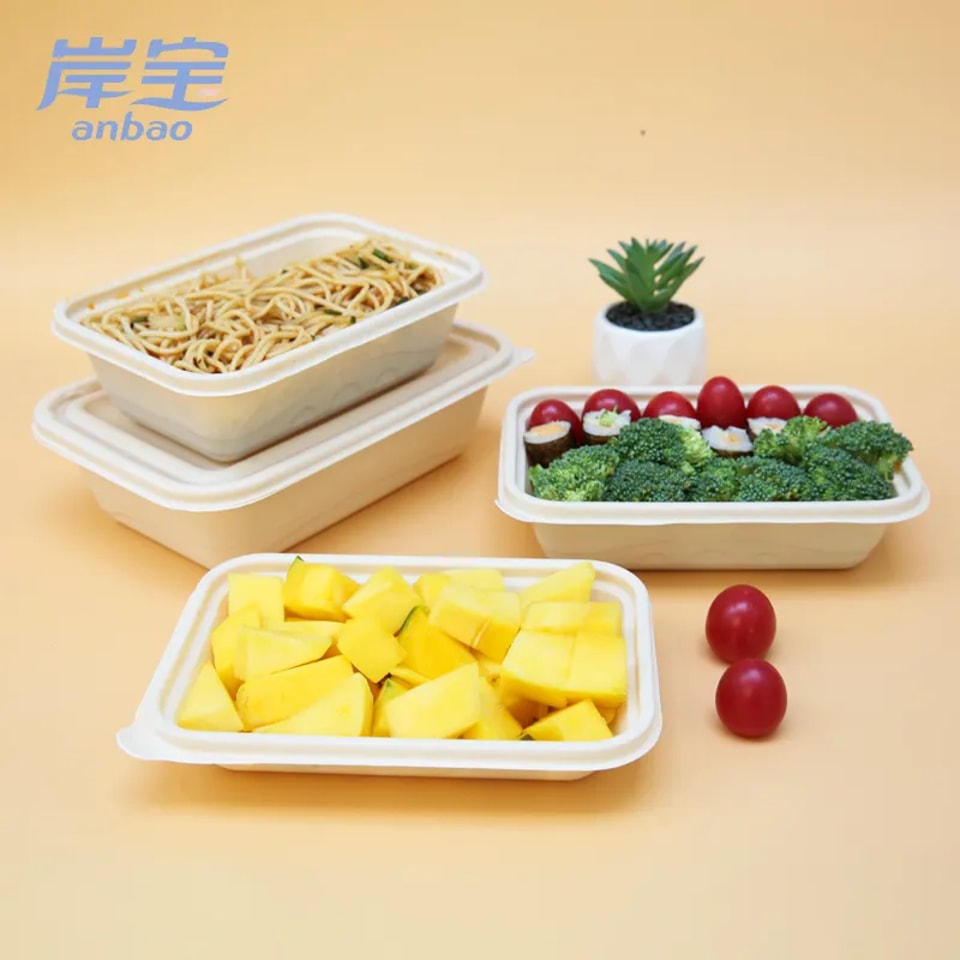
Compostable Paper Boxes for Different Restaurant Foods
Burgers, Sandwiches, and Fried Foods
Burgers, sandwiches, fries, and other fried foods need packaging that resists grease and retains its shape during handling. A suitable box should be easy for staff to fill and close, while providing enough space to prevent food from being crushed.
Ventilation can also be important for hot, crispy foods. If steam becomes trapped inside the container, fried items may lose their texture. Restaurants should therefore consider both grease resistance and airflow when testing packaging for these menu items.
Rice Meals, Pasta, and Saucy Dishes
Rice bowls, pasta, curries, and combination meals often require greater capacity and reliable protection against moisture and spills. Secure lids help contain food during transport, while compartments can keep separate ingredients from mixing.
Salads, Sides, and Cold Takeout Foods
Salads, fruit, and side dishes need packaging that keeps portions organized and presents food clearly. Wide openings can make filling and access easier, while well-fitting lids help protect contents during takeaway and delivery.
For meals with multiple components, restaurants may consider containers with separate compartments. Anbao's
degradable food containers provide additional options for takeaway packaging. Before ordering, confirm the selected product's material, intended use, and applicable compostability claims.
Custom Compostable Paper Boxes for Restaurant Operations
Restaurant packaging should fit both the menu and the workflow behind each order. Appropriate sizing and design can make food preparation, packing, storage, and transportation more efficient.
Box Sizes, Shapes, and Compartments
Start with portion size and the amount of space each meal needs. Containers that are too small can damage food presentation, while oversized boxes may take up unnecessary storage space and increase packaging use.Compartments are useful when a meal contains separate ingredients or side dishes. Restaurants should also check whether lids fit securely and whether filled containers remain stable when stacked for delivery.
Custom Printing for Restaurant Brands
Custom printing allows restaurants to display their logos, brand colors, and other visual elements on takeaway packaging. Consistent packaging can help customers recognize the brand across dine-in takeaway, delivery, and catering orders.
Reliable Suppliers of Compostable Paper Boxes for Restaurants
A reliable supplier should offer consistent product quality, clear documentation, and dependable delivery. Before placing a bulk order, restaurants should request samples and test grease resistance, structural strength, lid fit, and performance with their actual menu items. Relevant food-contact documents and compostability certifications should also be verified for the specific product.
For ongoing supply, confirm the minimum order quantity (MOQ), sample availability, customization options, and production lead times in advance. Restaurant chains and foodservice distributors should also consider whether the supplier can maintain consistent specifications across repeat orders and meet changing demand without disrupting daily operations.
Conclusion
Choosing compostable paper boxes for restaurants means balancing menu requirements, packaging performance, verified compostability, and reliable supply. By testing samples, confirming certifications, and planning custom specifications before bulk ordering, restaurants can make more informed purchasing decisions. For product options and tailored requirements,
contact Anbao to discuss suitable food packaging solutions.