Home  >  News

News

Double Wall vs. Ripple Wall Paper Coffee Cups: A B2B Buyer’s Guide for Takeaway Hot Drinks

8/19, 2026

Double Wall vs. Ripple Wall Paper Coffee Cups: A B2B Buyer’s Guide for Takeaway Hot Drinks

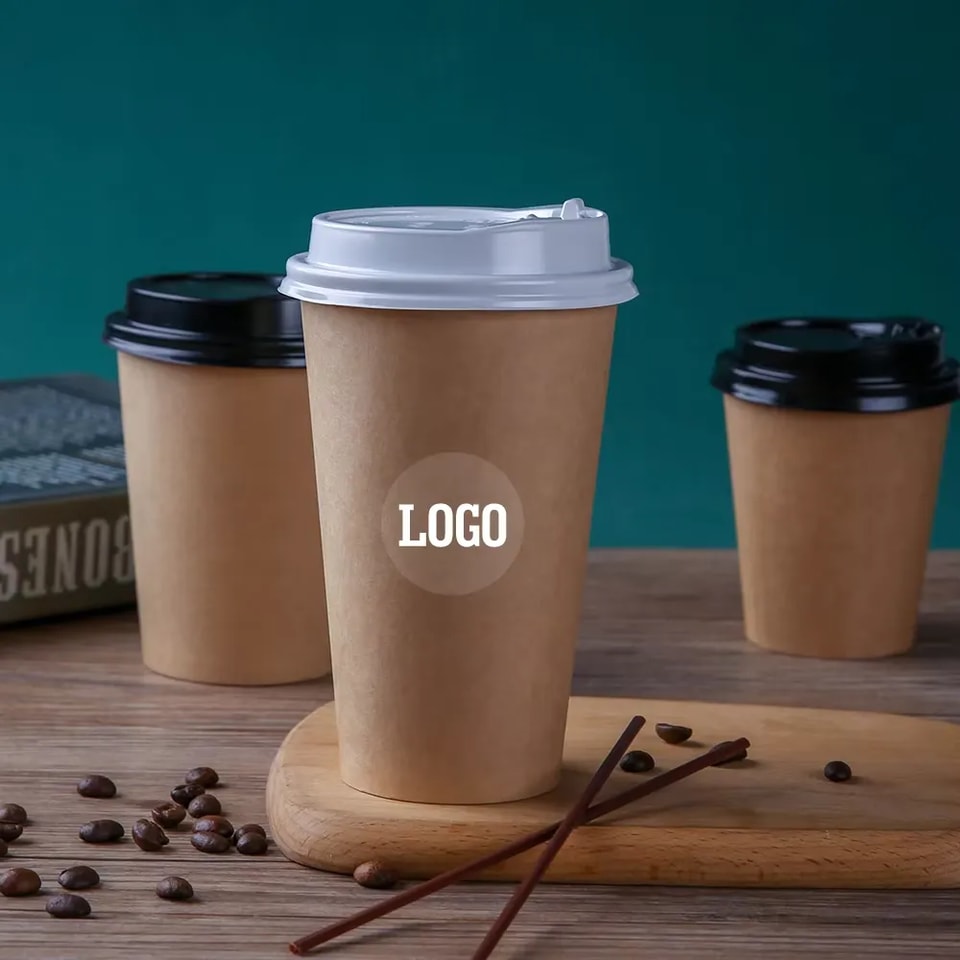
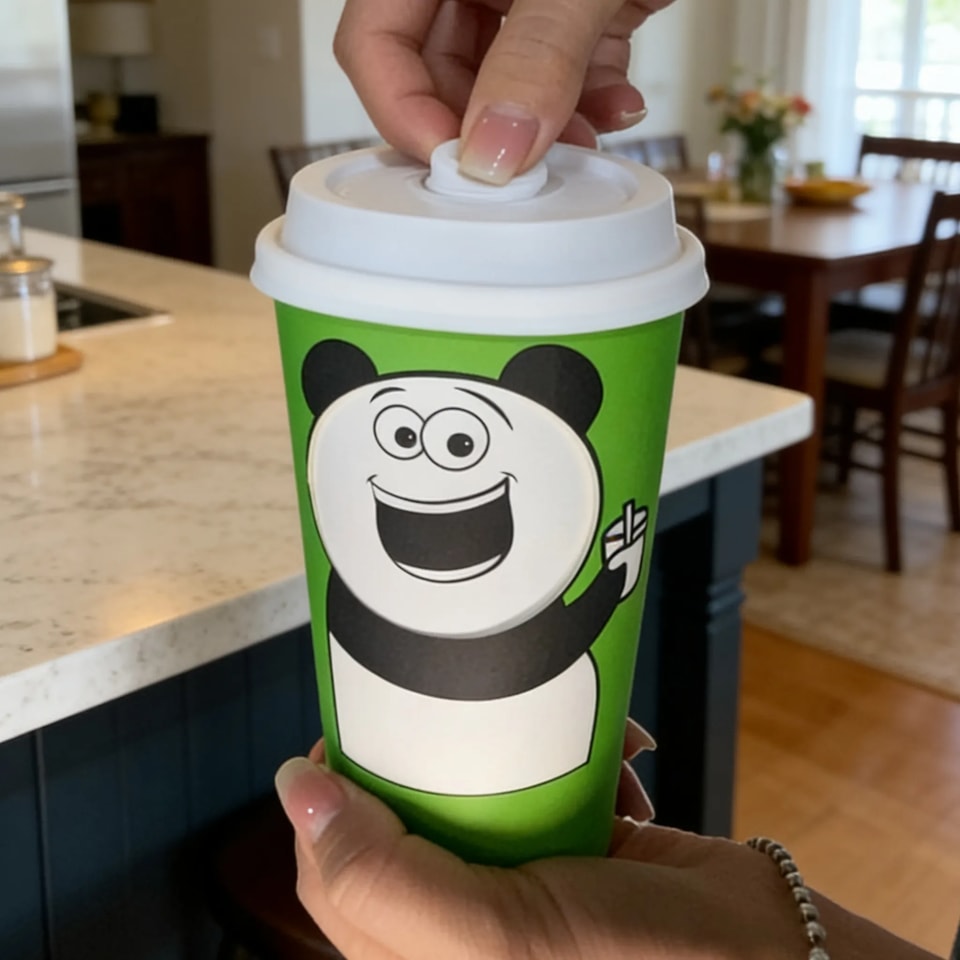
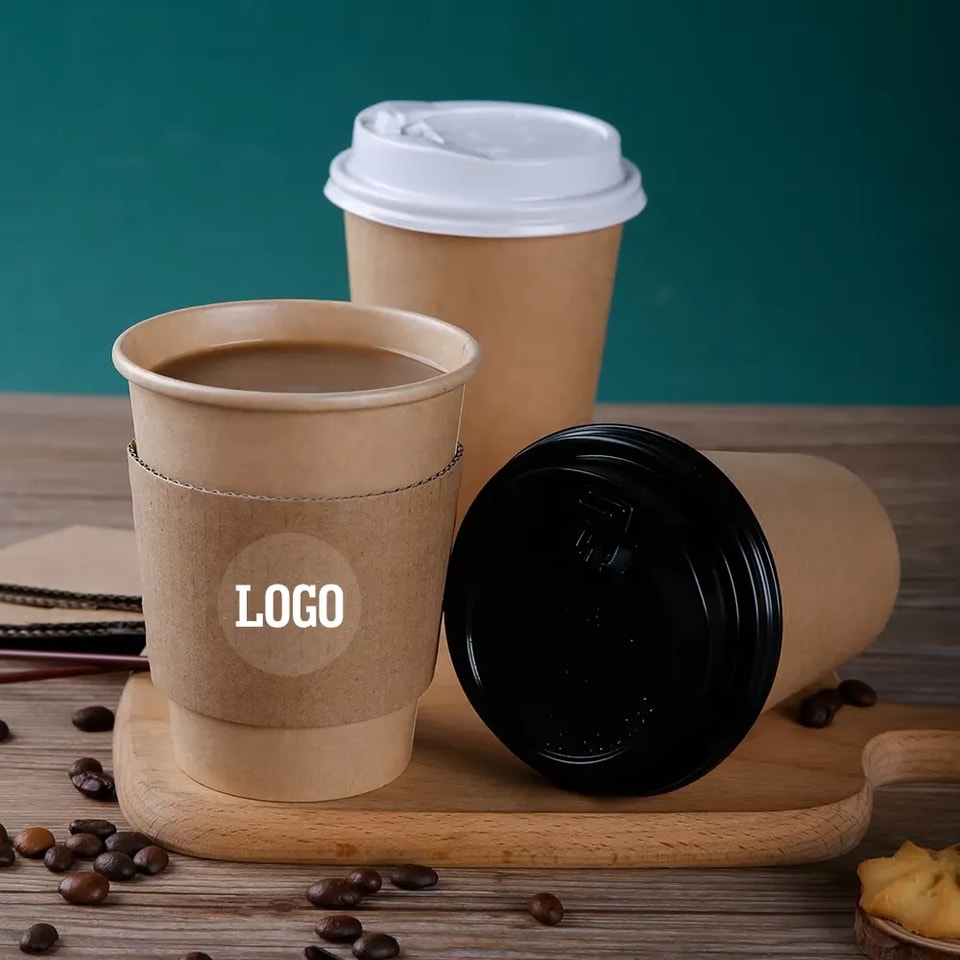
For cafés, beverage chains, foodservice distributors and delivery programs, a hot-drink cup is more than a disposable item. It is a customer-facing packaging component that must perform from beverage filling and order handoff to transport and final consumption. When sourcing from a double wall paper coffee cup factory, B2B buyers often start with unit cost or print appearance. Both are relevant, but the cup’s construction has a greater influence on hand comfort, service efficiency, branding and total packaging cost. Double-wall and ripple-wall paper cups are designed for similar hot-drink applications, yet they use different structural approaches. Anbao Environmental manufactures paper cups, paper bowls, food containers and compostable food packaging for foodservice, beverage and takeaway applications. Its public paper-cup portfolio includes single-wall, double-wall, ripple-wall, cold-drink and ice-cream cup formats. Why Cup Construction Matters for Hot Drinks Hot coffee, tea, hot chocolate and other takeaway beverages create several packaging challenges. The cup needs to contain the beverage, work with the correct lid, remain manageable for customers and fit a fast-moving service environment. For delivery orders, it may also need to remain practical through holding time, pickup and last-mile transport. A generic paper-cup specification rarely provides enough information for a reliable quotation. Buyers should define the beverage type, serving temperature, intended capacity, lid system, artwork requirements and expected use conditions before requesting samples or prices. Cup construction should be assessed alongside the entire customer journey: Filling at the counter, café bar or beverage line Carrying immediately after purchase Holding during travel or delivery Opening, sipping and disposing of the package Recognizing the brand through printed graphics and cup appearance This is why paper cups with the same nominal size may deliver different customer experiences. A single-wall coffee cup, double-wall cup and ripple-wall cup can each have a place in foodservice packaging, but they should not be treated as identical purchasing options. What to Expect from a Double Wall Paper Coffee Cup Factory A double-wall paper coffee cup normally combines an inner cup with an additional outer paper layer. This layered structure is intended to reduce heat transferred from the beverage to the user’s hand while creating a smooth external surface. For coffee brands, quick-service operators and beverage chains, double-wall construction may be suitable when the packaging brief places high importance on hot-drink comfort and a refined branded appearance. The smooth external layer can also provide a controlled surface for logo placement, color blocks and other visual elements. Buyers considering insulation, a smooth exterior and customized hot-drink packaging can review double wall paper coffee cups when preparing a detailed procurement specification. What Buyers Should Verify with a Double Wall Paper Coffee Cup Factory “Double wall” should not be interpreted as an automatic guarantee of customer comfort or sleeve-free use. The final result depends on the cup design, material combination, fill temperature, drink-holding time, cup size, lid selection and how customers hold the cup. A responsible procurement process should include physical samples and real-use validation. The buyer can fill the cup at the normal serving temperature, apply the selected lid and assess outside-wall temperature and handling comfort at defined intervals. Testing should reflect actual café, kiosk, delivery or self-service conditions rather than a one-time visual inspection. Before approving a supplier, buyers should verify: Cup capacity, rim diameter, base size and height Paperboard and barrier-coating specification Lid compatibility and leak-resistance testing Printing method, artwork proof and color consistency Food-contact documents for the destination market Samples, inspection requirements and change-control process Carton configuration, pallet requirements and shipping conditions A Project-Specific Insulation Example Anbao’s published project information describes a coffee-cup development program for BP in 2017. According to the project description, Anbao developed a “Top and Bottom Rolled Double-Wall Insulated Cup” in response to requirements related to thermal insulation, strength, design and cost. The project states that, when tested with 100°C hot water, the inner cup reached 90°C while the outer wall reached 65°C. It also states that after five minutes the beverage reached an intended coffee-serving temperature and that the product was designed to eliminate the use of a separate cup sleeve. The BP coffee-cup development project illustrates that sleeve elimination was a stated design objective for that specific solution, rather than a universal promise for all double-wall formats. Buyers should validate their own cup performance with the beverage temperature, capacity, lid and customer-use conditions of their particular program. How Ripple Wall Paper Coffee Cups Work Ripple-wall paper cups, sometimes called corrugated paper cups, use a textured outer layer. The raised, corrugated surface changes both the look and feel of the cup compared with a smooth double-wall design. The textured exterior can create a familiar coffeehouse-style appearance and may help users maintain a secure hold on a hot beverage. For brands, it also provides a visibly different packaging format that can support a more tactile customer experience. Where Ripple-Wall Cups Fit Best Ripple cups may be suitable for coffee shops, takeaway counters, kiosks, bakeries, convenience retail and other high-turnover beverage applications. They can be evaluated when a buyer wants a textured outer layer as part of the cup’s handling and visual strategy. For programs that prioritize a textured exterior and coffeehouse-style grip, ripple wall paper cups provide a different structural option for hot beverage service. As with double-wall cups, buyers should not make a decision based on the category name alone. The exact cup specification must be confirmed, including capacity, rim diameter, base size, cup height, coating, printing method, lid compatibility and intended drink temperature. Branding and Printing Considerations A ripple-wall cup’s outer texture forms part of the visual identity. This may suit brands that want packaging to feel more tactile, traditional or distinctly associated with coffee-to-go service. However, the textured exterior may influence artwork layout, fine print details and how logos appear in real production. Double-wall cups generally offer a smoother print surface. This may be useful when artwork relies on precise lines, larger color areas or a clean premium visual presentation. The best option depends on how the marketing team wants the cup to appear in the customer’s hand, in store and in delivery photography. Physical print proofs are important for both formats. Procurement teams should involve marketing, operations and quality personnel in the approval process so that artwork, functional performance and service practicality are assessed together. Double Wall vs. Ripple Wall: B2B Comparison Factor Double Wall Paper Cup Ripple Wall Paper Cup Buyer Validation Point Outer surface Usually smooth with an additional outer paper layer Textured with a corrugated outer layer Customer preference and brand direction Heat-management method Layered structure creates an insulating effect Corrugated exterior changes the contact surface Test at actual beverage temperature Hand feel Smooth external touch Textured, grip-oriented touch Conduct user handling tests Branding approach Often suited to clean logo and artwork presentation Supports a distinctive coffeehouse-style appearance Approve physical printed samples Sleeve decision Can be assessed for sleeve reduction in specific designs Must be assessed according to the final use case Evaluate cup temperature and handling Sourcing focus Structure, insulation, print finish and lid fit Texture, grip, print treatment and lid fit Request equivalent samples and specifications The table is a starting point, not a substitute for product qualification. A cup that works well in a café serving 8oz coffee may not be the right format for a 16oz tea beverage used in a delivery program. Fill volume, beverage temperature, service time and lid choice can all change the result. Materials, Coatings and Food-Contact Requirements The paper cup structure is only one part of the purchasing decision. Buyers should also clarify paperboard, barrier coating, ink system, product dimensions and destination-market requirements. Anbao’s published product range references PE, PLA and aqueous coating options for relevant paper cup products. The most suitable coating should be selected based on the precise application, the cup structure, beverage conditions and applicable local requirements. A product description should be treated as a starting point for technical discussion, not as a complete specification. Before placing a wholesale order, B2B buyers should request: Food-contact documentation relevant to the target market Current certifications and their scope Paperboard, coating and printing specifications Cup capacity and complete dimensional drawings Compatible lid samples and fit-test records Print artwork proofs and color-approval process Carton, pallet and shipping specifications Sample-approval, inspection and change-control procedures Certification and documentation must be reviewed in context. Buyers should confirm the factory location, certificate validity, scope and applicability to the products they plan to source. For regulated markets, the buyer should also complete its own compliance assessment. Manufacturing Consistency and Supply Planning A strong sample is valuable, but mass-production consistency determines whether the packaging program remains reliable. Paper cup performance can be affected by forming quality, layer assembly, rolling, print registration, packaging control and storage conditions. When assessing a double wall paper coffee cup factory, buyers should compare sample consistency, production controls, print approval procedures and the supplier’s ability to maintain agreed specifications across repeat orders. This assessment is especially important when a brand needs the same cup format across multiple locations, markets or seasonal campaigns. Anbao describes its operations as combining food-packaging manufacturing with customized packaging development. Its company history states that it developed lean digital manufacturing in cooperation with Siemens and implemented JIT-related production practices. It also states that manufacturing facilities in Thailand and the United States began operations from 2021 to 2025. Its published project portfolio includes long-term supply records for Master Kong, technical audit and SGP assessment references connected with Coca-Cola-related supply, and a reported program supplying DE with 20 million 7.5oz paper cups per month at a 100% on-time delivery rate. These statements refer to disclosed projects and should not be interpreted as an automatic performance guarantee for every product, market or order. A Practical Sourcing Framework Choose a double-wall paper coffee cup when your packaging priorities include a smooth exterior, layered insulation and the possibility of a sleeve-reduction strategy that can be confirmed in testing. It may align well with branded coffee-to-go programs where visual presentation and hand comfort are both important. Choose a ripple-wall paper cup when a textured exterior, tactile grip and coffeehouse-style appearance better fit the beverage program. It may be useful for operators that want the outer cup surface to contribute visibly and physically to the customer experience. A well-prepared RFQ gives a double wall paper coffee cup factory the information needed to recommend a suitable cup structure, coating and production approach for the intended beverage program. Include: Cup construction and target capacity Beverage type and fill temperature Cup dimensions and compatible lid requirement Paperboard, coating and printing expectations Artwork files and branding standards Forecast order volume and delivery destinations Sample-validation process Required compliance documents Packaging and shipping requirements A detailed RFQ helps suppliers quote on the same basis and helps buyers compare offers beyond unit price. It also reduces the risk of approving a sample that does not match final production or customer-use conditions. Before confirming a wholesale order, procurement teams can review Anbao food packaging projects to understand the company’s publicly presented experience in customized paper food packaging programs.
Why Salad Bowls Leak in Delivery—and How Disposable Thickened Kraft Paper Salad Bowls Help

8/19, 2026

Why Salad Bowls Leak in Delivery—and How Disposable Thickened Kraft Paper Salad Bowls Help

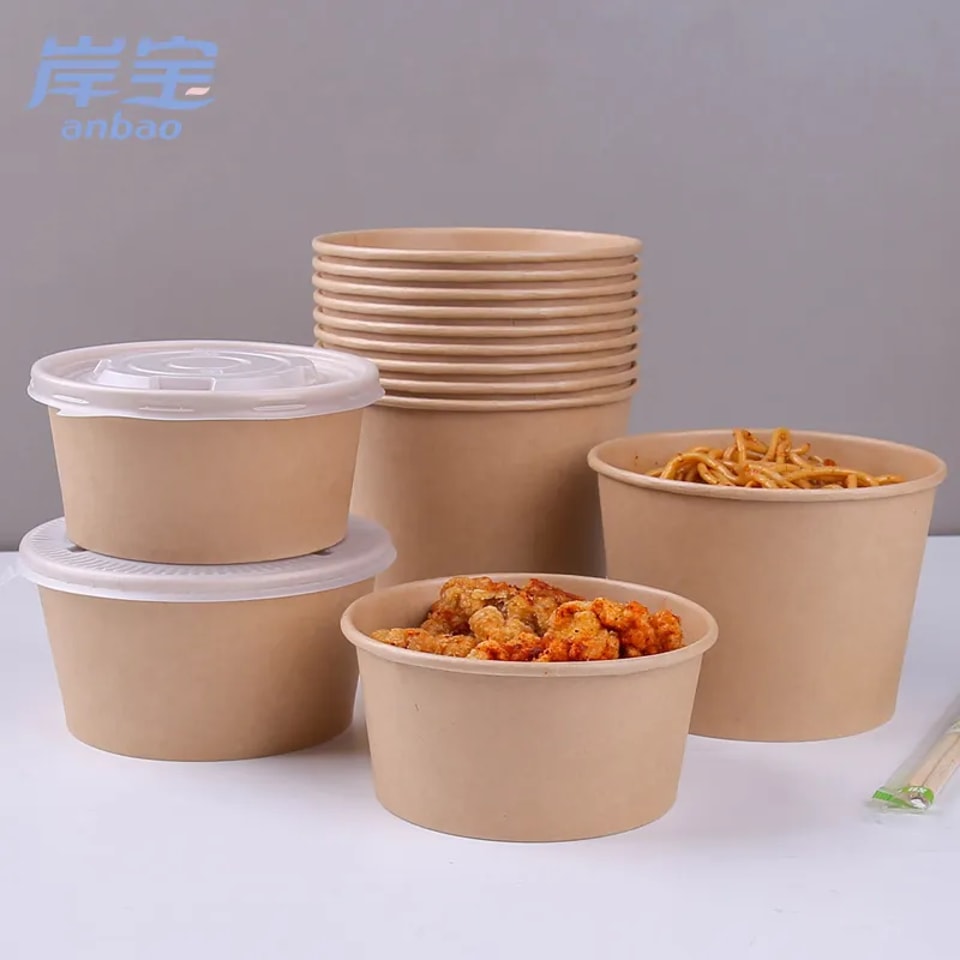
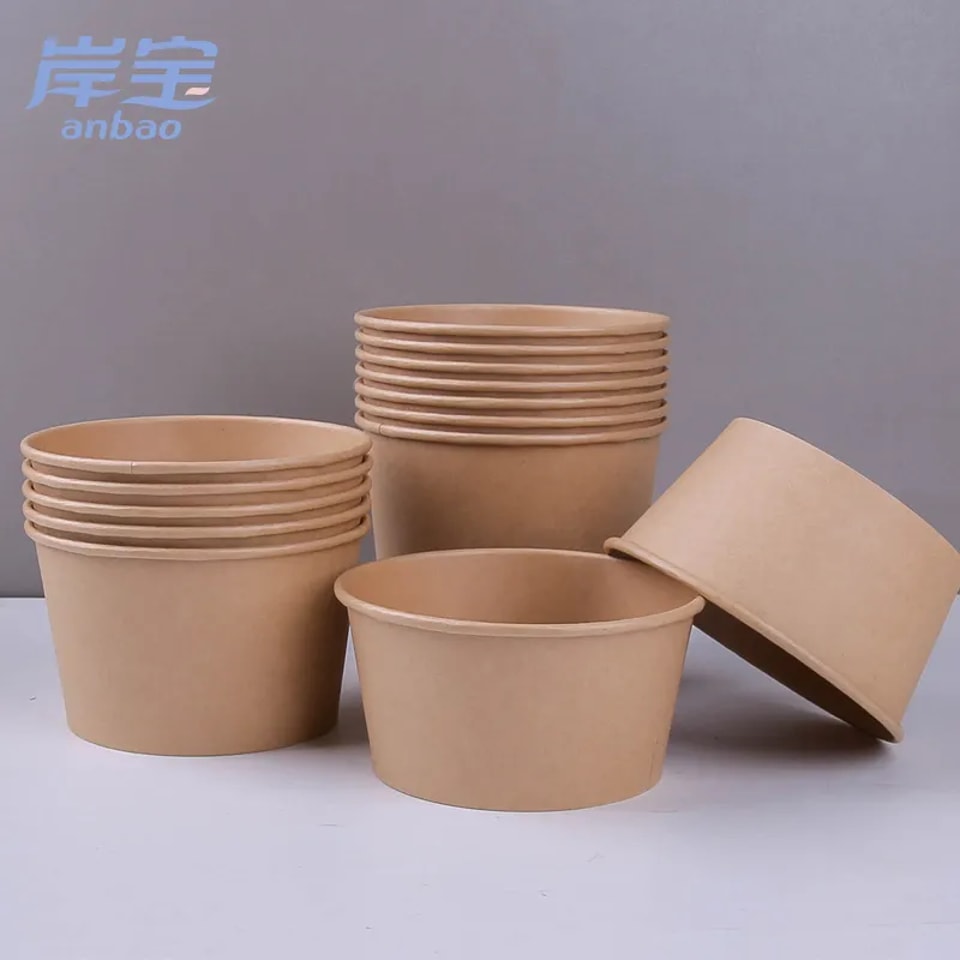
Salad leakage in delivery is rarely caused by one issue alone. Residual moisture, dressing, lid fit, filling height, stacking pressure, and transport movement can all affect the final customer experience. For B2B buyers, selecting disposable thickened kraft paper salad bowls should involve more than comparing unit prices. The bowl, lid, food type, packing process, and delivery conditions should be assessed together. Why Salad Bowls Leak During Delivery Mixed ingredients create moisture pressure Salads may combine washed greens, fruit, grains, protein, sauces, and warm or chilled ingredients. Water from produce, juice from fruit, oil from dressings, and condensation can create a demanding internal environment for a paper food container. A dry grain bowl and a dressed fruit salad may require different packaging tests. The latter may need greater attention to holding time, sauce placement, bowl stability, and closure performance. Leakage often begins at the rim Not every leak starts with the bowl wall. A lid may sit unevenly, a bowl may be overfilled, or pressure from a delivery bag may loosen the closure around the rim. For this reason, the bowl and lid should be sourced and tested as one system. A purchasing specification should identify the approved bowl model, lid, maximum fill level, and menu application. Deformation can affect lid security When a filled bowl is stacked or compressed, the rim may change shape. Even small deformation can reduce lid engagement and create an opening for dressing or liquid to escape. Tests should include filling, closing, waiting, tilting, carrying, bagging, and short-term stacking. Static water tests alone do not reflect normal takeaway handling. Choosing Disposable Thickened Kraft Paper Salad Bowls Assess the complete structure “Thickened” is not a complete purchasing specification. Buyers should assess the bowl wall, base stability, rim construction, dimensional consistency, lid fit, and performance with the intended food. The suitable disposable thickened kraft paper salad bowls depend on the full application, including the recipe, portion size, filling process, closure system, and expected delivery route. Review food-contact documentation Foodservice purchasers should confirm food-contact documentation and destination-market requirements before placing an order. Material information, product traceability, and agreed quality criteria should be reviewed as part of supplier onboarding. Anbao states that it focuses on food packaging and customised solutions. Its company history also notes participation in the formulation of China’s national standard General Technical Requirements for Food Contact Materials and Containers. Match capacity to the menu Nominal capacity does not always equal usable fill volume. Toppings, sauce cups, headspace, and lid clearance all affect how much food can be packed safely. Anbao lists round paper bowl capacities including 350 ml, 450 ml, 550 ml, 650 ml, 750 ml, 998 ml, 1100 ml, and 1300 ml. These formats can be sampled for side salads, fruit portions, individual meal bowls, and larger sharing servings. A Practical Testing Protocol Use actual food and holding times Test packaging with the same ingredients and portion weights used in daily operations. Include the usual preparation sequence, especially whether dressing is mixed in, placed on top, or served separately. Set holding times that reflect real service: preparation, dispatch waiting, and delivery. Check for moisture exposure, lid movement, bowl deformation, leakage, and contamination of the outer bag. Simulate delivery handling A useful trial includes controlled tilting, carrying, bag placement, stacking, and light compression. The objective is to observe how the packaging behaves in conditions similar to the delivery journey. Each brand should set test conditions around its own order model. Nearby office delivery and a multi-item motorcycle delivery may create different packaging demands. Define acceptance criteria first Before scaling an order, agree on the tested bowl-and-lid combination, fill level, test food, holding time, visual requirements, and inspection process. This gives the purchasing team, kitchen staff, and supplier a shared reference. It also reduces ambiguity if changes are required after sampling. Selecting Bowl Shapes and Sizes Round bowls for flexible portions Round paper bowls are often used for salads, grain bowls, fruit, soups, noodles, and light meals. They can help a menu use fewer packaging formats while accommodating different serving sizes. Anbao’s round paper bowl range includes multiple capacities and published dimensions. Buyers can use this information to assess serving fit, storage, lid selection, and placement in delivery bags. Square and rectangular options Square and rectangular paper bowls and food containers may suit meals that need component separation or specific presentation. They can also be considered for bento, rice dishes, snacks, fruit salads, and takeaway meal sets. Anbao’s paper bowl and container range includes round, square, and rectangular formats, along with thickened kraft paper food containers for fast food, bento, fruit salad, and takeaway packaging. Approve lids with the bowls A lid should never be selected after the bowl has been approved. Any change in lid type, bowl dimensions, or source can affect closure performance. Test the exact final combination with the intended recipe. If the menu requires a lower fill line or separate sauce packaging, include these steps in operational instructions. Supplier Capability and Consistency Consistency matters after sampling A successful sample does not guarantee repeat-order consistency. Restaurant groups, distributors, and private-label brands should review batch control, lead times, inspection procedures, packaging configuration, and change-management processes. The goal is to maintain the agreed product specification across repeat production runs. This is especially relevant for multi-location foodservice brands. Manufacturing systems and project control Anbao describes a shift toward lean digital manufacturing and states that it partnered with Siemens to establish a digital factory. Its published history also mentions automated production for Master Kong paper bowls and a Just-In-Time system used in Southwest China. For buyers, the relevant questions are practical: How is the approved specification recorded? How are production changes controlled? Which inspection records are available for each order? These topics are more useful than general statements about manufacturing technology. Relevant project experience informs sourcing questions When evaluating a paper food packaging supplier, B2B buyers often review publicly available project information to understand the scale, product categories, and operating requirements involved in previous collaborations. This can help procurement teams prepare more focused questions about production planning, quality controls, delivery scheduling, and audit procedures. From 2004 to 2021, Anbao designed and supplied paper bowls for Master Kong under a supply programme serving Southwest China, including Chengdu, Chongqing, and Kunming. The published project information records daily supply of up to 3 million paper bowls and a reported customer-use defect rate of 0.1 PPM during the cooperation period. The same project information describes a separate paper-cup programme for DE, involving 7.5 oz paper cups and monthly supply of 20 million units. It also notes annual global supply-chain audits and a reported 100% on-time delivery record. These figures relate specifically to the disclosed paper-cup project rather than to salad bowls; for salad-bowl buyers, they provide context for discussing capacity planning, order fulfilment, audit requirements, and quality expectations with a prospective supplier. Instead of treating prior project information as a substitute for product validation, procurement teams can use it to structure their due-diligence process. Relevant questions include whether the proposed bowl specification can be produced consistently, how quality checks are documented, which delivery arrangements apply to the destination market, and how specification changes are managed across repeat orders. Building a Verified Packaging Programme Anbao supplies paper cups, paper bowls, food containers, ice cream cups, popcorn tubs, and compostable packaging solutions. Its product information also states support for custom logos, patterns, colours, sizes, and private-label packaging. For salad and takeaway brands, an integrated packaging review can cover the main bowl, sauce container, beverage cup, side container, carrier bag, and visual branding. Explore paper bowls and food containers after confirming the food use case and test requirements. Customisation should follow functional approval. Confirm the bowl size, lid, food application, fill level, delivery conditions, and quality requirements before finalising logo placement, colour, pattern, carton configuration, and replenishment arrangements. Buyers may also review Anbao packaging projects to identify publicly disclosed collaboration information involving Master Kong, Coca-Cola, DE, and BP. These references can inform discussions about project planning, audits, quality documentation, and production capacity. Procurement Checklist Define food type, moisture level, dressing format, portion weight, temperature, and delivery duration. Select and test the bowl and lid as one system. Establish maximum fill levels and kitchen packing instructions. Test actual menu items at realistic holding times. Include tilt, carrying, stacking, and bagging in sample trials. Confirm food-contact documentation for the destination market. Record sample findings, batch information, and acceptance criteria. Review supplier production controls, lead time, inspection, and delivery arrangements. Finalise branding artwork after functional validation. Salad delivery leakage is a packaging-system issue, not simply a bowl-material issue. The right disposable thickened kraft paper salad bowls should be matched to the menu, lid, filling method, and delivery environment through documented testing. For salad, light-meal, and takeaway programmes, custom paper food packaging should begin with a clear specification covering food use, container format, closure system, delivery route, and quality expectations.
Biodegradable Take Out Containers by Menu Type: A Practical Guide for Foodservice Buyers

8/19, 2026

Biodegradable Take Out Containers by Menu Type: A Practical Guide for Foodservice Buyers

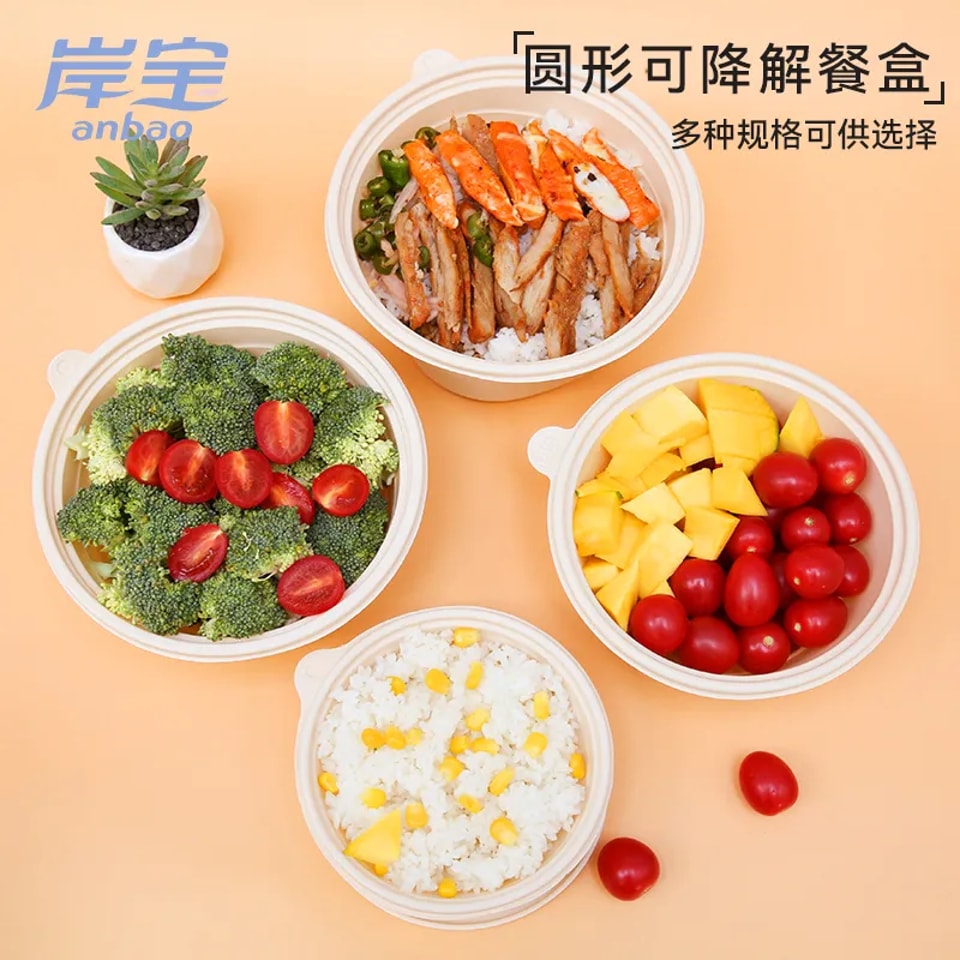
For foodservice buyers, biodegradable take out containers should be selected by menu use—not by a general sustainability claim alone. Rice meals, soups, salads, snacks, desserts, and drinks each create different requirements for capacity, closure, stacking, and delivery handling. A practical packaging range connects paper bowls, food containers, cups, lids, and small-format packaging around real operating conditions. Anbao Environmental supplies paper-based packaging for restaurants, coffee shops, takeaway brands, beverage chains, distributors, and event suppliers. Its range includes paper cups, paper bowls, food containers, ice cream cups, and popcorn tubs. Choosing Biodegradable Take Out Containers by Menu Type A takeaway container needs to perform through filling, sealing, stacking, transport, handover, and eating. Packaging selected only by price or appearance may not suit the dish or the delivery workflow. The key question is simple: what does this package need to do for this particular menu item? A dry rice meal, a soup noodle order, and a chilled fruit salad should not automatically use the same structure. A menu-first approach can also reduce unnecessary SKUs. Buyers can build a core range around main meals, liquid-rich dishes, cold foods, snacks, desserts, and beverages instead of sourcing unrelated products one at a time. How Biodegradable Take Out Containers Support Delivery The right format helps staff pack faster and helps customers receive food in better condition. Container shape, capacity, lid compatibility, fill level, stacking pressure, and expected delivery time should all be considered together. Before bulk purchasing, test the proposed packaging with actual dishes, normal kitchen processes, and representative delivery routes. A sample that looks suitable in a meeting may behave differently during peak service or in a crowded delivery bag. Start with a Menu Audit Before sourcing containers, map every menu item sold through takeaway and delivery. Record the serving size, food temperature, sauce or broth volume, oil level, expected holding time, and typical delivery conditions. Group dishes into practical categories: Dry and semi-dry main meals Soups, curries, and sauced dishes Noodles and bowl meals Cold meals, fruit, and salads Snacks, desserts, and side dishes Hot and cold drinks Then review what happens after the order leaves the kitchen. Consider whether containers are stacked, whether hot and cold products travel together, and how long the average delivery takes. These conditions should guide product trials and purchasing specifications. Main Meals: Paper Food Containers for Rice, Noodles, and Bento Rice meals, bento, stir-fried noodles, grilled foods, and prepared lunches usually require formats that support portion control, quick filling, secure closure, and stable stacking. Rectangular and square containers can suit meals with a defined arrangement, while round containers may fit mixed bowl meals. Before choosing a capacity, define the actual serving quantity and allow enough headspace for toppings, movement, and lid closure. A container that is technically large enough may still create a poor customer experience if it looks underfilled or is difficult to close at peak service times. Anbao lists paper food containers for takeaway, fast food, bento, fruit salad, and prepared-food applications. Its product portfolio also includes round, rectangular, and square paper-bowl formats. Paper bowl and container solutions can be compared according to meal type, required capacity, and intended lid configuration. Soups, Curries, Noodles, and Salads Liquid-rich dishes need a dedicated selection process. Soup, curry, broth noodles, and sauced meals create different risks from dry food because fill level, lid fit, transport movement, and holding time become more important. Buyers should confirm the maximum practical fill volume, the headspace needed for transit, the lid-to-bowl fit, and whether toppings should be packed separately. Testing should include the restaurant’s real cooking temperature, normal packing speed, and representative delivery route. Round paper bowls may be considered for soup, noodles, rice bowls, salads, and other bowl-based menu items, depending on the selected specification. Anbao’s range includes round paper bowls and takeout soup-bowl options, as well as rectangular and square bowl formats for foodservice and takeaway use. Do not assume that any paper bowl is suitable for every soup or sauce-based meal. Use samples and controlled delivery tests to confirm compatibility with the food, lid, fill level, and service process. Cold Meals, Fruit, and Light Food Cold menu items have their own packaging requirements. Salads, fruit portions, yogurt-based meals, chilled desserts, and light lunches may be affected by dressing, condensation, topping separation, and the need to maintain a fresh presentation. For salads, decide whether dressing is packed inside the container or supplied separately. For fruit and chilled dishes, assess whether the selected capacity prevents food from becoming crowded, crushed, or visually untidy during transport. A standardized range can simplify operations for cafés, quick-service brands, and ready-to-eat food retailers. Using a smaller number of appropriate sizes for salads, fruit, light meals, and desserts can improve staff familiarity and reduce purchasing complexity. Anbao publicly presents paper food containers for fruit salad, takeaway meals, and prepared food. Product suitability should still be confirmed for the buyer’s storage conditions, local market requirements, and expected delivery duration. Snacks, Desserts, and Side Items Small formats are easy to overlook when designing a takeaway packaging system. However, popcorn, fries, side dishes, dips, desserts, and ice cream all contribute to the customer’s impression of the order. Choose these formats based on portion size, ease of access, grease or moisture exposure, and whether they travel with a main meal. A consistent range does not mean using one package for everything; it means ensuring that each item has a clear place in the overall packaging plan. Anbao’s public product categories include popcorn tubs, ice cream cups, paper bowls, paper food containers, and compostable food-container options. These categories can help procurement teams map packaging coverage across main meals, side items, snack portions, and desserts. Beverage Packaging Should Be Part of the Plan Food and drinks are often ordered together, so cup selection should not be treated as an isolated procurement task. A coordinated food-and-beverage packaging range can simplify ordering, support a consistent visual identity, and make store packing routines clearer. Start with the beverage itself. Hot coffee and tea, iced drinks, juice, milk tea, and ice cream each require different considerations for cup type, capacity, temperature, and lid arrangement. Anbao’s paper cup series includes single-wall, double-wall, ripple-wall, cold-drink, kraft paper, and ice cream cups. Its product listings also reference PE, PLA, and aqueous coating options for selected cup applications. When preparing an enquiry, buyers should state the beverage type, serving size, intended use, target market, coating preference, and any applicable compliance requirements. This allows the supplier to discuss product options against a defined use case. Turn Menu Requirements into a Sourcing Brief A clear sourcing brief leads to more useful quotations and samples. Instead of requesting only “biodegradable containers,” provide specific information about the intended application. Include: Menu item and food characteristics Serving capacity and fill level Hot, cold, dry, oily, sauced, or liquid-rich use Preferred shape and lid requirement Logo, artwork, color, and print specifications Target market and expected order quantity Sampling requirements and delivery timeline Anbao states that it supports custom logos, patterns, colors, sizes, and private-label packaging. It also asks quotation enquiries to include product type, capacity, material or coating preference, estimated quantity, artwork, destination country, and required delivery schedule. Customization should be planned as an operational specification, not only a design request. Artwork should work across cups, bowls, and containers, while product sizes should reflect real portions and store-level packing needs. Test Before You Standardize Before launching a new range across multiple locations, test representative products with real dishes and normal store processes. Include peak-service packing, stacked orders, typical delivery times, and customer handling after arrival. Evaluate whether the container supports efficient filling, secure closure, practical carrying, and an acceptable eating experience. If needed, adjust capacity, shape, lid format, or the number of active SKUs before wider implementation. The right packaging is chosen from the meal outward. When biodegradable take out containers, paper bowls, food containers, snack formats, and beverage cups are matched to menu requirements, foodservice buyers can build a more practical and consistent packaging system. For takeaway and delivery applications, explore paper food containers and test selected formats against your own menu, store processes, and delivery workflow.
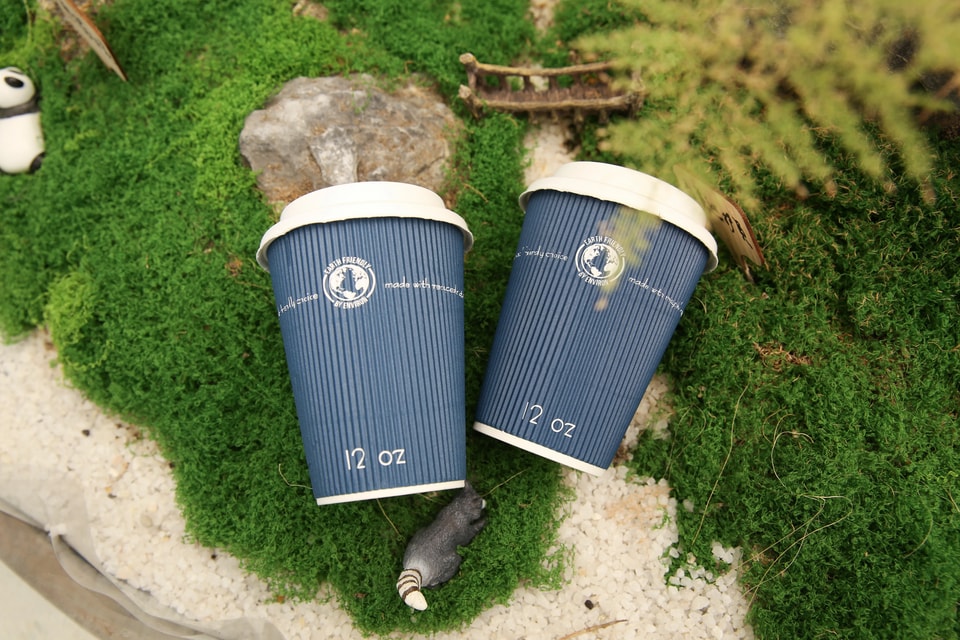
Eco-Friendly Disposable Takeaway Boxes: A Scalable System for Restaurant Chains

8/19, 2026

Eco-Friendly Disposable Takeaway Boxes: A Scalable System for Restaurant Chains

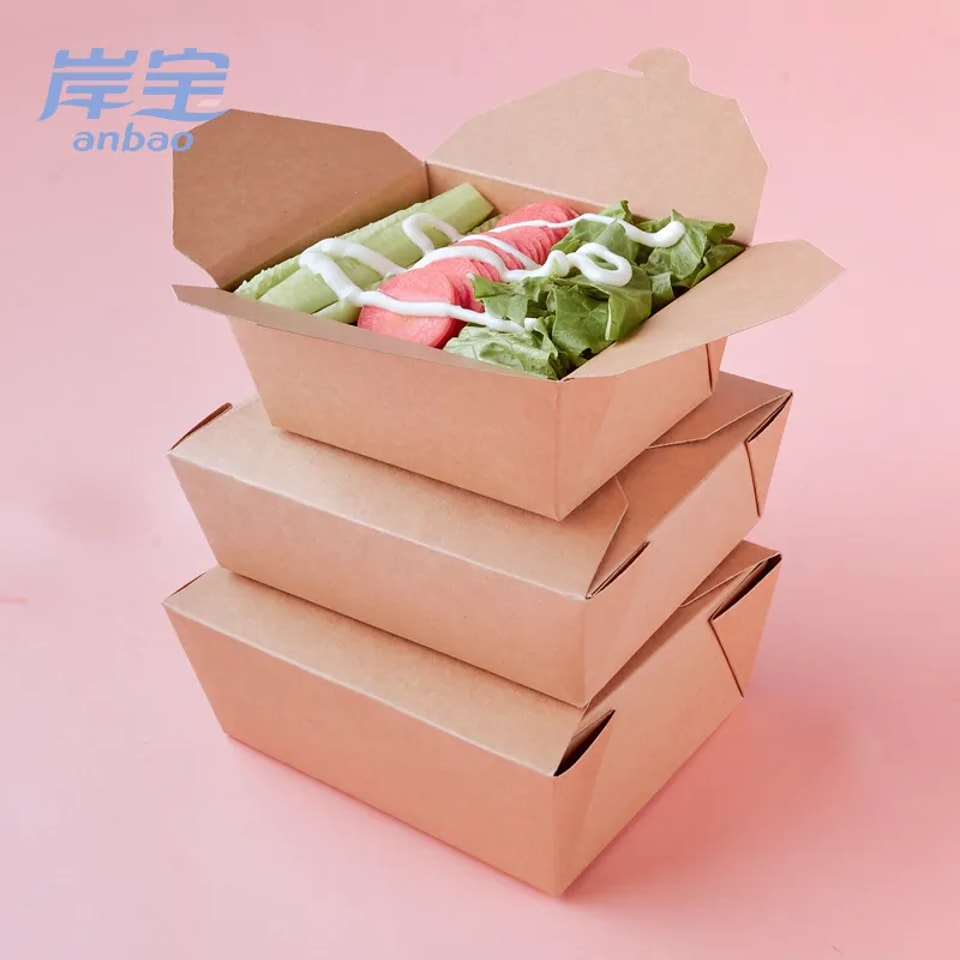
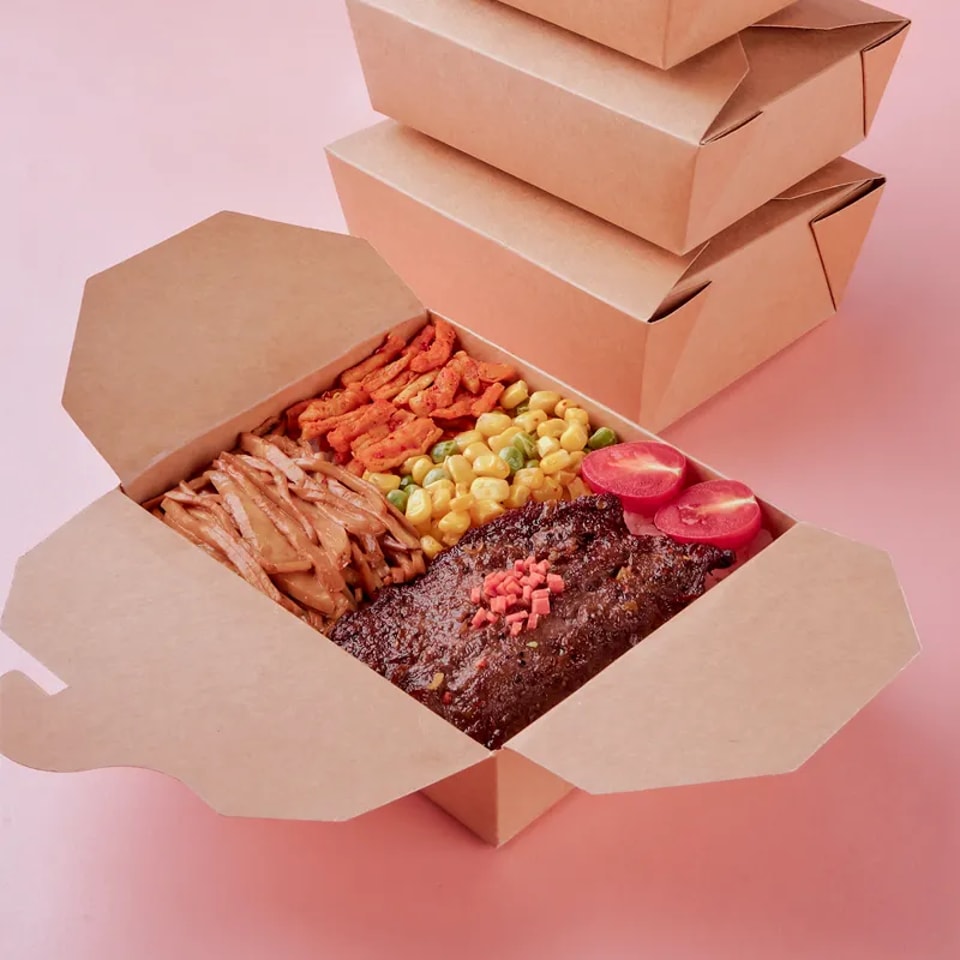
For a restaurant chain, packaging is not simply a container purchased at the end of menu development. It affects food quality, delivery execution, inventory control and brand presentation. A structured range of paper-based food packaging solutions helps procurement teams align those requirements across stores, menu categories and ordering channels. The goal is not to use one universal box for every dish. Instead, chains need a controlled system of eco-friendly disposable takeaway boxes, bowls, cups and compatible lids that suits the menu, supports daily operations and can be replenished consistently. Why Chains Need a Packaging System Choosing packaging one SKU at a time can appear efficient at first. A team finds one container for rice meals, a separate bowl for soup, another for salads and an additional format for snacks. As the menu grows, this can create an unnecessarily complex range of packaging materials. Too many formats create avoidable friction. Store staff may pair the wrong lid with a container, warehouse teams may manage similar-looking stock lines, and customers may receive different packaging experiences from different outlets. The issue is not merely inventory volume; it is the lack of an agreed system for what each format is designed to do. A packaging system creates repeatable decisions. It defines core formats, appropriate menu applications, compatible lids and approved specifications for recurring orders. For a multi-store operator, this is more manageable than selecting containers independently without a shared procurement framework. Where Eco-Friendly Disposable Takeaway Boxes Fit in a Scalable Range Paper-based containers can play different roles within a foodservice packaging portfolio. A restaurant group may need meal containers for rice and prepared food, bowls for soup and noodles, cups for beverages, and specialized formats for desserts or snacks. The format should be chosen according to the food, its temperature, moisture level, portion size and delivery conditions. Anbao’s published product range includes paper cups, paper bowls, paper food containers, ice cream cups, popcorn tubs and compostable packaging options. These categories are presented for coffee shops, restaurants, takeaway brands, beverage chains, event suppliers and foodservice distributors. Start With a Menu-and-Delivery Packaging Audit The first sourcing question should not be, “Which packaging material is sustainable?” It should be, “What does this package need to do for this dish, during this service journey?” Group menu items according to the conditions that influence packaging selection: Hot meals and chilled foods Dry dishes and sauce-heavy meals Soup, noodles and liquid-containing dishes Rice meals, bento formats and prepared foods Salads, fruit and light meals Fried snacks, desserts and shareable items Immediate consumption and longer delivery journeys This classification helps teams avoid using one format outside its practical application. A box that works for dry snacks may not be the right choice for a hot dish with sauce. A bowl intended for a short pickup order may require further validation for longer delivery routes. The delivery process also needs to be mapped. Packaging may be handled at the kitchen pass, filled by staff, closed, placed in a courier bag, stacked with other items, transported and opened after a waiting period. Each stage can expose problems related to closure, stacking, moisture, temperature or portion stability. A useful audit records the current issues in a consistent format. Procurement and operations teams can note where leakage happens, when containers soften, whether lids are mixed up, and which menu items generate complaints. This turns operational feedback into a sourcing brief that suppliers can evaluate through samples and trials. Build a Core Format Matrix for Multi-Store Operations A scalable packaging range does not mean minimizing options at the expense of food quality. It means selecting a practical set of formats that supports the chain’s highest-volume menu occasions. For example, a chain may use meal containers for rice dishes and bento meals, bowls for noodles and soup, smaller formats for sides, and cups for hot or cold beverages. Each item should have a documented role, an approved capacity range and a compatible closure solution. The matrix should also state the limits of each format. Packaging failures can occur when a container is used for a dish or delivery condition beyond the scope of its original selection. Buyers should validate the container with the actual menu item, normal fill level, serving temperature, expected holding time and delivery method. Anbao lists round paper bowls, rectangular paper bowls, square paper bowls, soup bowls, paper food containers and compostable food containers. Its published product categories cover applications such as rice, noodles, salads, soups, snacks, fast food, bento and prepared meals. Lid selection should not be handled as an afterthought. A packaging matrix should identify the correct body-and-lid combinations, packing configuration and store-level handling process. Clear compatibility rules reduce errors, simplify stock management and help protect food presentation during delivery. Specify Materials and Food-Contact Requirements Before Comparing Quotes Sustainability language does not replace a technical purchasing specification. Suppliers still need a clear brief covering the intended food application, material preferences, coating requirements, printing needs, order volume, destination market and expected delivery schedule. Before requesting a quotation, prepare the following information: Food type and serving temperature Expected moisture, oil and sauce exposure Required capacity, shape and dimensions Container format and lid requirements Brand artwork and printing expectations Forecast quantity and ordering frequency Destination-market documentation requirements Sampling, testing and approval criteria This level of detail makes quote comparisons more reliable. It also reduces the risk of selecting an option that appears suitable in a price sheet but differs in material construction, print process, packing method or intended use conditions. Material and coating choices should reflect the actual food and service environment. Anbao publicly lists PE, PLA and aqueous coating options for its paper cup products, and its product information indicates that selection can depend on beverage type, compostability requirements, regulations and budget. Procurement teams should use the same product-specific approach when discussing paper containers, bowls and other takeaway formats. Buyers should also request relevant evidence for the destination market, including food-contact documentation and the scope and validity of certifications where applicable. Certification should be reviewed by product and market rather than treated as a blanket statement for every item in a supplier’s catalogue. Make Branding Consistent Across Every Format Packaging is often one of the first branded touchpoints a customer sees after receiving a delivery order. If logos, colors or printing quality vary across formats, the brand experience can feel inconsistent even where menu and service standards are otherwise controlled. A practical packaging system includes a visual standard. It can define approved logo versions, color references, print areas, artwork formats and format-specific design rules. This helps a chain keep its identity consistent across beverage cups, meal containers, bowls and snack packaging. Customization needs to be discussed early in the sourcing process. Buyers should provide artwork, container dimensions, color requirements, estimated volume and the intended food application before production planning begins. Anbao states that it offers customization for logos, patterns, colors, sizes and private-label packaging for foodservice brands and distributors. Samples should be reviewed in real handling conditions, not only as flat artwork proofs. A pilot can assess print appearance, filling workflow, lid closure, stacking behavior, delivery handling and customer use. This step matters before a chain introduces a design across multiple stores or markets. Evaluate Manufacturing Capability Beyond Unit Price Price matters, but it does not show whether a supplier can support recurring orders across a restaurant group. Procurement teams also need to assess product-range fit, customization workflow, production consistency, quality records, forecasting process and communication practices. A supplier discussion should cover the intended food application, suitable product formats, sample availability, artwork approval and repeat-order controls. The answers should be specific enough to help a buyer compare suppliers against the same operational brief. Manufacturing systems can also influence how specifications are managed in production. Anbao describes its manufacturing approach as lean and digital, and its company history refers to cooperation with Siemens on the construction of a digital factory for the paper container industry. For a procurement team, the relevant consideration is how that manufacturing setup supports approved specifications, inspection records, product traceability and communication during repeat supply. Supplier capability should be reviewed against the chain’s own SKU count, roll-out plan and quality expectations. Anbao’s published history records supply relationships and milestones involving Uni-President Enterprises, Master Kong paper bowls and approval under The Coca-Cola Company’s quality certification process in 2008. Such publicly stated history can provide context during initial supplier assessment, while each current program should still be evaluated through product documentation, samples and agreed specifications. Build Quality Control Into Supplier Selection Quality expectations should be agreed before commercial production begins. Procurement teams can define acceptance criteria for dimensions, print alignment, appearance, container integrity, lid fit, packing quantity and carton identification. These criteria create a common reference for supplier and buyer. They also help operations teams distinguish between a packaging design issue, a store-handling issue and a possible production deviation. Testing should use real menu items. Fill the selected container at normal serving temperature, close it as store staff would, place it in the usual delivery setup, hold it for the expected journey and inspect it as a customer would receive it. The test should include demanding dishes, not only ideal dry-food conditions. A dry rice meal, a hot noodle soup, a sauce-heavy entrée and a chilled salad can produce different results. Testing representative food categories gives the chain a more practical basis for approval. After rollout, create a simple feedback loop. Stores can record the item used, lot or order information, the type of issue, the menu application and the severity. Procurement and operations teams can then identify recurring patterns and work with the supplier on appropriate corrective actions. Follow a Phased Sourcing Roadmap A packaging transition does not need to replace every product in one order cycle. A phased approach can help restaurant groups manage change while validating real-world performance. Phase 1: Prioritize high-impact formats. Start with the highest-volume, most problematic or most strategically important packaging SKUs. This narrows the project scope and provides clearer test priorities. Phase 2: Sample and validate. Request samples, involve procurement, kitchen, operations and brand teams, and run controlled trials at representative stores. Record the approved container, compatible lid, artwork, packing method and permitted menu application. Phase 3: Scale with governance. Share forecasts, manage artwork version control, establish incoming-quality checks and review performance after launch. The purpose is not simply to buy more containers; it is to maintain a reliable system as menus, outlet numbers and delivery volumes evolve. When reviewing paper bowls and food containers, buyers can compare each format against their food matrix, lid requirements, print brief, market documentation needs and planned order volumes. Choose a Packaging Partner for Long-Term Growth The strongest sourcing conversations begin with a clear operational brief. Restaurant chains should bring their menu audit, current packaging issues, annual forecast, customization requirements, sample criteria and destination-market needs into supplier discussions. Useful questions include: Which formats match each menu application? Which lids are compatible with the selected container? What material or coating options are available for the intended use? What does the sample and artwork approval process involve? What documentation is available for the destination market? How are repeat-order specifications controlled? How are quality concerns documented and addressed? Established in 1996, Anbao Environmental focuses on food packaging and customized solutions. Its published portfolio includes paper cups, paper bowls, food containers and compostable packaging, while its customization information covers logos, patterns, colors and sizes. For restaurant chains, a scalable packaging program relies on evidence-based specification, compatible components, menu-specific testing and ongoing supplier management. The most useful system is one that helps kitchen teams work consistently, supports delivery execution and gives procurement teams a clear standard for recurring purchases. To evaluate eco-friendly disposable takeaway boxes against your own menu, delivery conditions and customization brief, review paper food containers for takeaway and delivery before moving from samples to a chain-wide rollout.
Compostable Takeaway Boxes for Restaurants: Building a Complete Paper Packaging System

8/6, 2026

Compostable Takeaway Boxes for Restaurants: Building a Complete Paper Packaging System

Restaurants, cafés and quick-service chains are under growing pressure to reduce plastic usage and improve the sustainability of their takeaway and delivery packaging. Many operators are moving from traditional plastic clamshells and foam containers to compostable takeaway boxes that better align with customer expectations and regulatory trends. However, simply replacing one box with another is not enough. For most restaurants, the real challenge is to build a complete packaging system: a coherent set of compostable takeaway boxes, bowls and accessories that work across different menus, service formats and channels. Anbao Environmental, a manufacturer of disposable paper cups, paper bowls and paper food containers, offers a broad range of paper packaging that can be combined into such systems for restaurants and takeaway brands. Why Compostable Takeaway Boxes Are Gaining Ground Compostable takeaway boxes have become more visible in foodservice because they address both regulatory and market demands. Governments in many regions are restricting single-use plastics, while eco-friendly to-go containers made from paper, bagasse and other plant-based materials are promoted as greener alternatives. From the customer’s perspective, compostable takeaway boxes send a clear signal that the restaurant takes environmental responsibility seriously. Eco-friendly boxes are marketed as suitable for hot and cold food, resistant to oil and moisture, and compatible with modern delivery habits. By choosing compostable boxes, restaurants reduce reliance on foam and mixed-plastic containers that are difficult to recycle and often end up in landfill. Thinking in Systems: Beyond a Single Box For restaurants, building a packaging system means thinking beyond individual SKUs. A typical operation may need boxes and bowls for main courses, side dishes, soups, desserts and sauces. If each item uses a different material or visual style, the result can be operational complexity and a fragmented brand image. Compostable takeaway boxes for restaurants work best when combined into a coordinated system: similar materials, consistent branding and sizes that stack efficiently and cover the menu without excess SKUs. Anbao’s product catalog presents paper cups, paper bowls and paper food containers designed for catering, takeaway, household and supermarket scenarios, giving restaurants a broad base for system design. Core Elements of a Compostable Packaging System Main dish boxes Main dish boxes handle the bulk of hot meals, such as rice plates, noodle dishes and grilled or fried mains. Many eco-friendly suppliers offer bagasse or paper-based boxes designed for hot and cold food, with sizes that balance capacity and portion control. Paper-based main dish boxes often use sturdy board with grease-resistant coatings or internal liners, allowing them to hold sauced dishes without leaking. These boxes are commonly rectangular or clamshell-shaped to stack efficiently in delivery bags and on shelves. Bowls for soups and salads Soups, curries and salads require containers with different geometry. Round bowls with secure lids are widely used for liquid-rich dishes and fresh salads, especially in delivery and takeaway contexts. Compostable salad and menu boxes made from sugarcane or coated paper are designed to be greaseproof and leak-resistant while remaining suitable for hot and cold dishes. Anbao’s paper bowl & container series includes round paper bowls and other forms suitable for soups, salads, noodles and rice dishes, allowing restaurants to integrate these items into their compostable takeaway packaging mix. Small containers for sides and sauces Small containers are essential for sauces, dressings, dips and side items. Many eco-friendly ranges include mini boxes, sauce cups and snack containers made from paper or bagasse, designed to complement larger boxes and bowls. A coherent compostable system ensures that these smaller containers share similar materials, colors and branding with main boxes and bowls, avoiding the common problem of mixing “green-looking” main boxes with conventional plastic sauce cups. How Anbao Supports Compostable Takeaway Solutions Paper bowls and container series for restaurant menus Anbao’s paper bowl & container series covers round paper bowls, rectangular bowls, square bowls, paper food containers and soup bowls designed for foodservice and takeaway packaging. These products include options for fast food, bento, fruit salads and soups, giving restaurants flexibility to match packaging types to specific menu items while using a consistent material family. For restaurants that want to move towards compostable takeaway boxes for main dishes, pairing round paper bowls with suitable paper containers allows menus to be covered systematically. Operators can choose bowl sizes according to dish volume, then match them with boxes for drier or more structured meals, creating a full matrix of options for different categories. Integration with paper cups and other packaging Anbao is not limited to food boxes and bowls; the company also produces disposable paper cups for hot and cold beverages, including single wall, double wall and ripple cups. This enables restaurants and café chains to harmonize drink and food packaging using consistent materials, colors and printing. For example, a restaurant could adopt paper cups for hot drinks, round paper bowls for soups and salads, and paper food containers for main dishes—all sourced from the same supplier. Menu-Driven Design: Matching Boxes to Dishes Dry and semi-dry dishes Dry or semi-dry dishes such as fried rice, stir-fried noodles and grilled meats fit well in rectangular or clamshell boxes that prevent movement while allowing some ventilation. Many bagasse or paper-based takeaway boxes are designed with compartment options, enabling main and side items to be separated while remaining within a single container. When sourcing from suppliers like Anbao, operators can select paper food containers sized to portion standards, ensuring that each box is appropriate for the weight and volume of typical menu items. Soups, curries and broths Liquid-rich dishes demand containers with higher walls and secure lids. Round paper bowls are commonly used for this purpose, with greaseproof and leak-resistant constructions that hold up under hot conditions. Compostable menu boxes and bowls in the broader market demonstrate how sugarcane and coated paper solutions can function as leakproof, heat-tolerant containers for soups and sauces. Anbao’s round paper bowls are designed for takeaway soups and other hot dishes, providing restaurants with a paper-based option for integrating liquid-rich meals into their compostable packaging system. Salads and cold dishes Salads and cold dishes often benefit from containers with clear lids or window options to showcase fresh ingredients. Some eco-friendly ranges highlight kraft boxes with windows and compostable salad bowls with bioplastic linings. The goal is to keep contents visible while maintaining performance in terms of leak resistance and stacking. By choosing paper bowls and containers that align with these market trends, restaurants can serve salads and cold dishes in packaging that feels premium and sustainable, while still integrating with their overall compostable takeaway box strategy. Operational Considerations: Stacking, Transport and Storage Stacking and bagging for delivery Eco-friendly takeaway containers are promoted as leakproof and sturdy enough for delivery, but performance varies among suppliers. Boxes and bowls must stack safely without collapsing, and lids should stay secure in delivery bags under typical handling. Suppliers that design packaging specifically for foodservice and delivery, like Anbao, take these factors into account by offering bowls and containers with compatible lid systems and shapes that nest efficiently. Storage and shelf management Compostable takeaway boxes and paper bowls must also store efficiently in back-of-house environments. Flat-packed boxes and nested bowls reduce storage space and make it easier for staff to access the right containers during rush periods. Restaurants should work with suppliers to choose sizes and formats that balance menu coverage with storage constraints, avoiding excessive duplication or rarely used SKUs. Branding and Sustainability Messaging on Compostable Boxes Compostable takeaway boxes do more than carry food; they communicate the restaurant’s brand and sustainability values. Many suppliers emphasize that compostable boxes can be printed with logos, slogans and eco-messages, helping businesses highlight their commitment to greener packaging. Anbao’s experience with custom-printed paper cups, bowls and containers allows restaurants to apply consistent designs across drink and food packaging, strengthening the visual impact of their sustainability efforts. Restaurants can use this branding space to highlight sustainability commitments, share QR codes for menus or loyalty programs and reinforce brand identity through color, typography and icons. When compostable takeaway boxes and paper bowls share a unified visual language, every takeaway order becomes a branded, sustainability-focused touchpoint. Building a Roadmap for Transitioning to Compostable Takeaway Boxes Audit current packaging: Identify which items are still using plastic or foam and categorize them by menu use and volume. Prioritize high-impact items: Focus first on high-volume SKUs, such as main dish boxes and soup bowls, where switching to compostable options delivers the greatest sustainability visibility. Select a core set of compostable boxes and bowls: Work with a supplier like Anbao to define a core range of paper bowls and containers that cover the main menu categories while minimizing SKU count. Test in real operations: Run pilot tests across dine-in takeaway, delivery and catering channels, monitoring performance and customer feedback. Phase out legacy packaging: As confidence grows, phase out remaining plastic or foam containers and bring all channels under the compostable packaging umbrella. Conclusion: Turning Compostable Takeaway Boxes into a System Advantage For restaurants, adopting compostable takeaway boxes is not just a regulatory or marketing response; it is an opportunity to rethink packaging as a coherent system that supports operations, branding and sustainability. By building a complete set of compostable takeaway boxes, bowls and containers, operators can serve hot and cold dishes consistently across dine-in takeaway, delivery and catering channels. Anbao’s portfolio of paper bowls and paper food containers, presented through its paper bowl & container series and related product information, illustrates how a single manufacturer can help restaurants assemble this system, from soup bowls to main dish boxes, aligned with the broader shift toward eco-friendly takeaway solutions. For restaurants ready to move beyond isolated box replacements, using these resources creates a practical path from conceptual sustainability goals to an operational compostable packaging system.
How to Choose a 12oz Single Wall Kraft Paper Coffee Cup Manufacturer for Cafés and Chains

8/6, 2026

How to Choose a 12oz Single Wall Kraft Paper Coffee Cup Manufacturer for Cafés and Chains

For many cafés, coffee chains and beverage-focused restaurants, the 12oz size is a core takeaway volume for hot drinks such as long black, latte and flat white. In this segment, 12oz single wall kraft paper coffee cups strike a balance between capacity, cost and brand presentation, making them a popular choice for both independent shops and multi-store operators. Selecting the right 12oz single wall kraft paper coffee cup manufacturer requires more than comparing prices. Procurement teams must understand cup construction, coating options, branding requirements and how the manufacturer fits into a broader packaging strategy. Anbao Environmental, a producer of disposable paper cups, paper bowls and food containers, offers single-wall kraft paper cups with low-MOQ custom logo options, illustrating how a manufacturer can support 12oz-focused programs for cafés and chains. Why 12oz Kraft Cups Matter for Cafés and Chains In many coffee and foodservice operations, 12oz is a practical "middle" size: large enough for standard hot coffees, but not as bulky as larger takeaway cups. Industry offerings from multiple brands show 12oz kraft single wall cups used as go-to packaging for hot drinks in cafés, food trucks and bakeries, often alongside 8oz and 16oz sizes. Kraft paper gives these cups a natural, earthy appearance that aligns with eco-conscious branding. Brown kraft surfaces are often used as a "blank canvas" for minimalist logos, stamps or stickers, helping cafés convey a simple, sustainable aesthetic. For chains, standardizing on a 12oz kraft cup can simplify SKU management, maintain a consistent look across locations and provide a clear base for branding and sustainability messaging. Understanding 12oz Single Wall Kraft Paper Construction Before choosing a manufacturer, it is important to understand how a 12oz single wall kraft cup is built. Typically, these cups use kraft paperboard as the main structural material, combined with an inner lining to provide a liquid barrier. Kraft paperboard and structure Kraft paperboard offers strength and a distinctive brown appearance. It supports hot beverages by providing adequate stiffness and a surface suitable for printing. In many 12oz kraft cups on the market, dimensions around 90 mm top diameter and roughly 110 mm height are used, giving the cup a comfortable hand-feel and compatibility with standard lids. Because these are single wall cups, there is only one paper layer between the beverage and the customer’s hand, which reduces material use and cost compared with double wall designs but makes paper weight and coating choices especially important. Coatings and inner linings The inner surface of a 12oz single wall kraft cup is usually lined to prevent leaks and maintain structural integrity when filled with hot liquid. Common coatings include PE coating as a widely used barrier for hot drinks, PLA coating as a plant-based bioplastic option for compostable products, and aqueous coating as a water-based barrier designed to reduce plastic content and improve recyclability or compostability potential. Manufacturers such as Anbao provide single wall coffee cups with PE, PLA and aqueous coating options, including variants in kraft substrates. For a 12oz single wall kraft paper coffee cup manufacturer, offering multiple coating choices allows buyers to align packaging with local waste management infrastructure and sustainability commitments. Key Criteria for Choosing a 12oz Single Wall Kraft Paper Coffee Cup Manufacturer Specialization in foodservice paper cups Manufacturers focused on foodservice packaging are more likely to understand the performance demands of hot drinks at 12oz, such as heat resistance, grip comfort, lid fit and stacking behavior. Anbao’s paper cup series, for example, covers single wall, single-wall kraft, double wall, ripple and cold drink cups for foodservice applications. This specialization informs product design choices and helps align 12oz kraft cup performance with café operations. Dedicated kraft series and 12oz coverage A dedicated kraft series gives buyers confidence that the manufacturer has tuned printing processes, coatings and quality control around kraft substrates. Anbao’s single-wall kraft paper coffee cups are designed for coffee, tea and takeaway beverages, with capacities that cover typical café sizes such as 8oz, 12oz and 16oz. A manufacturer with a clearly defined kraft offering can typically provide more consistent color, surface finish and lid compatibility for 12oz cups. Flexible customization and low MOQ options For smaller chains or growing brands, high minimum order quantities can be a barrier. Anbao highlights low-MOQ custom logo kraft cups, enabling operators to begin with modest volumes of 12oz branded cups. Flexibility in MOQ and customization helps test new branding, run limited campaigns and support multi-store operations with tailored artwork, while larger buyers can still scale into high-volume production once designs are validated. Alignment with broader packaging needs A strong 12oz single wall kraft paper coffee cup manufacturer should also support related packaging requirements. Anbao’s catalog includes paper cups, paper bowls and paper food containers, allowing cafés and chains to standardize materials and branding across drink and food packaging. This alignment is especially useful when 12oz kraft cups are part of a larger takeaway program that includes snacks, salads or meal boxes. How Anbao’s Kraft Paper Cup Range Supports 12oz Programs Single-wall kraft paper cup offering Anbao’s single-wall kraft paper coffee cups are designed for coffee, tea and takeaway drink service, using food-service-grade kraft paper and inner coatings suitable for hot beverages. The range supports multiple capacities, so buyers can build a coherent cup lineup around a common kraft design and substrate. In addition to kraft cups, Anbao’s single wall coffee cup series offers PE, PLA and aqueous coatings on white paperboard, giving buyers the option to mix kraft and white cups while maintaining consistent performance characteristics. This combination is useful when 12oz kraft acts as the hero SKU, with other sizes or specific beverage types using alternative designs. Integration with bowls and containers For cafés and chains serving food alongside coffee, Anbao’s packaging ecosystem extends beyond cups. The company supplies round paper bowls, rectangular bowls and paper food containers suitable for salads, rice dishes, soups and takeaway meals. This allows buyers to design 12oz kraft cups for core hot drinks, matching bowls for soups or grain bowls and paper food containers for main dishes or meal kits, all from a single manufacturing partner. Balancing Performance, Branding and Cost at 12oz Performance considerations Single wall kraft cups must maintain structural integrity with hot drinks while offering acceptable hand comfort. Paper weight and coating type are critical: thicker paperboard improves rigidity and heat management but increases material use, while coating choice affects leak resistance and how cups behave under different temperatures and storage conditions. Working with a manufacturer that can adjust these parameters allows buyers to fine-tune performance for specific drink profiles. Branding considerations Kraft surfaces influence how colors appear compared with white paper. Darker inks and simple graphics often work best, while delicate gradients may require careful testing. Manufacturers experienced with kraft substrates can help buyers choose ink colors that maintain contrast on brown backgrounds, layouts that fit 12oz cup geometry and combinations of kraft cups and other packaging where branding remains consistent. Cost and SKU strategy Cost and SKU strategy must be considered together. 12oz single wall kraft cups typically sit between smaller and larger cups in price, but their role as a "workhorse" size means they can have outsized impact on budget and operations. By anchoring the menu on a 12oz kraft SKU and using the same manufacturer for 8oz and 16oz options, cafés and chains can simplify ordering and forecasting, reduce per-unit costs through consolidated volumes and maintain consistent brand presence across cup sizes. Practical Steps for Procurement Teams Document requirements for 12oz cups: Specify dimensions, coating preferences, kraft vs. white substrates and any printing requirements for logos or messages. Review the manufacturer’s catalog: Confirm that the supplier offers a dedicated kraft cup line and a broader paper cup series, such as Anbao’s single wall, kraft, double wall and ripple cup offerings. Request targeted samples: Obtain 12oz kraft samples along with related sizes and test them in real service conditions to evaluate heat management, grip, lid fit and print quality. Align on MOQ and lead times: Discuss minimum order quantities and production schedules for 12oz kraft cups, matching them to forecasted volumes and inventory cycles, especially when using low-MOQ custom logo options. Plan integrated packaging: Explore compatible products such as round paper bowls and paper food containers to create cohesive meal and drink packaging that shares a common visual language. Run pilot orders: Start with a pilot batch to validate consistency between samples and production, and refine specifications before moving to larger orders. Conclusion: Making 12oz Kraft Cups the Backbone of Your Coffee Service For cafés and chains, a well-designed 12oz single wall kraft paper coffee cup is more than a container; it is a daily touchpoint between brand and customer. Choosing the right 12oz single wall kraft paper coffee cup manufacturer involves understanding cup construction, coating options, branding implications and how the supplier can support broader packaging needs. By focusing on manufacturers with a strong kraft series, flexible customization and a comprehensive foodservice packaging portfolio, procurement teams can ensure that their 12oz cups perform reliably, look on-brand and contribute to an efficient supply chain. Anbao’s single-wall kraft paper coffee cups illustrate how one manufacturer can support a 12oz-focused cup program while also supplying complementary bowls and containers, forming the backbone of a branded and sustainable coffee service.
How Overseas Buyers Choose a Compostable Coffee Cup Manufacturer in China

8/6, 2026

How Overseas Buyers Choose a Compostable Coffee Cup Manufacturer in China

For many cafés, restaurant chains and beverage brands, sourcing compostable coffee cups is no longer optional. Customers expect more sustainable packaging, and regulators continue to tighten rules on single-use plastics. In this context, working with a suitable compostable coffee cup manufacturer in China has become an important option for overseas buyers who want to secure reliable, large-scale supply while aligning with sustainability goals. China plays a major role in the global paper cup and food packaging industry, offering a combination of mature manufacturing clusters, broad product portfolios and experience in serving international markets. Anbao Environmental, for example, focuses on the production, R&D and sales of paper food packaging containers, supplying paper cups, paper bowls, paper lunch boxes and related products to customers worldwide from its bases in Nanjing, Chengdu and Chongqing. This article explains how overseas buyers can systematically identify, evaluate and cooperate with a compostable coffee cup manufacturer in China, using Anbao’s capabilities as a practical reference. Why Work with a Compostable Coffee Cup Manufacturer in China When overseas buyers consider cooperation with a compostable coffee cup manufacturer in China, they usually expect a combination of product breadth, cost effectiveness and export experience. Chinese manufacturers have built extensive capacity in paper cups, paper bowls and paper food containers, often serving multiple regions including North America, Europe, Southeast Asia, the Middle East and Oceania. Cooperating with a compostable coffee cup manufacturer in China also allows buyers to obtain not just cups but a full range of matching paper packaging products. Anbao’s product catalog, for example, covers paper cups, paper bowls, paper food containers, paper lids and other paper packaging for catering, takeaway, household and supermarket scenarios. That breadth is particularly valuable when buyers want integrated solutions for drinks, snacks and meals rather than only a single product line. Step 1: Define Requirements Before Contacting a Chinese Manufacturer Before approaching any compostable coffee cup manufacturer in China, overseas buyers should clearly define their own requirements. Ambiguous or incomplete specifications are a common source of misunderstandings in cross-border sourcing, especially for products such as paper cups where many parameters are configurable. Key elements to clarify include: Cup formats and sizes: Identify the exact sizes needed (e.g., 8oz, 12oz, 16oz) and whether single wall, double wall or ripple wall cups are required. Anbao’s paper cup series includes single wall, double wall, ripple and cold drink cups for foodservice use, which can be mapped directly to different beverage SKUs. Material and coatings: Decide whether conventional PE coatings, plant-based PLA coatings or aqueous coatings are appropriate, as each choice has different implications for performance and end-of-life handling. Anbao’s single wall coffee series, including its single wall coffee paper cups, offers PE, PLA and aqueous coating options, giving buyers flexibility to align with local waste systems and sustainability policies. Branding and customization: Determine whether custom-printed cups are required or if unbranded kraft or white cups are acceptable. Anbao supports custom logo printing on various paper cup types, including single-wall kraft paper cups suitable for branded coffee service. By defining these elements upfront, overseas buyers can send more precise RFQs (requests for quotation) and receive more relevant proposals from Chinese manufacturers. Step 2: Shortlist Chinese Manufacturers with the Right Product Portfolio Once requirements are clear, buyers can begin shortlisting potential suppliers. A robust compostable coffee cup manufacturer in China should provide both product breadth and clear positioning in foodservice packaging. Anbao’s paper cup series page shows a structured range: single wall cups for standard hot drinks, single-wall kraft cups for natural-looking presentation, double wall cups for improved insulation, ripple cups for enhanced grip and cold drink cups designed for iced beverages. Beyond cups, Anbao’s catalog includes round paper bowls, rectangular bowls, square bowls, soup bowls and paper food containers suitable for salads, rice, noodles, soups and takeaway dishes. For overseas buyers, this breadth has several advantages: Ability to source coffee cups and food containers from the same supplier. Easier coordination of branding across different packaging formats. Potential for consolidated shipments and simplified supplier management. For example, a restaurant chain or café group can use single wall or double wall cups for standard hot drinks, kraft cups for eco-themed lines, and then match those with round paper bowls to package soups or salads in a consistent way. Step 3: Evaluate Experience, Markets and Production Capacity When evaluating a compostable coffee cup manufacturer in China, buyers should look beyond product lists to understand experience, markets and capacity. Anbao provides several signals in this regard. According to its company profile, Anbao has focused on paper food packaging containers since 1996 and now mainly produces paper cups, paper bowls, paper lunch boxes and plastic bowls with supporting accessories. The company serves customers in multiple regions including North America, Europe, Southeast Asia, the Middle East and Oceania, indicating familiarity with diverse regulatory and market requirements. Anbao operates multiple production bases in China and additional production bases in Thailand, using intelligent digital production lines for automatic transmission, collection and monitoring of production data. For overseas buyers, such information suggests that the manufacturer: Has long-term experience with international B2B customers. Maintains significant capacity for large-volume orders. Uses modern production systems that support quality control and data tracking. While buyers should always validate claims directly with the manufacturer, these public data points help distinguish established export-oriented suppliers from smaller, purely domestic factories. Step 4: Request Samples and Test Compostable Coffee Cups After shortlisting suppliers, the next step is to request samples. For a compostable coffee cup manufacturer in China, sample evaluation is essential to verify performance and compatibility with specific operations. When working with Anbao or similar manufacturers, buyers should: Request samples for all relevant cup sizes and formats (e.g., single wall, double wall, kraft, ripple, cold drink cups). Ensure that samples include the intended coating types (PE, PLA or aqueous) and that these are clearly labeled. Test cups with actual beverages (coffee, tea, iced drinks) under realistic conditions to assess heat resistance, grip comfort and condensation behavior. For buyers interested in integrated packaging, it is also useful to test related containers such as round bowls and rectangular boxes. Anbao’s portfolio includes paper food containers designed for rice dishes, noodles, salads and other meals, which can be combined with cups to create complete takeaway sets. During the sample phase, buyers should provide clear feedback to the manufacturer and, if necessary, request adjustments to paper weight, coating types or cup dimensions. Chinese suppliers like Anbao, which emphasize order-driven production and customization, can often adjust specifications to better align with buyer requirements. Step 5: Clarify MOQ, Lead Time and Export Logistics Minimum order quantity (MOQ), lead time and logistics arrangements are crucial for overseas buyers working with a compostable coffee cup manufacturer in China. Misalignment in these areas can cause stockouts, overstocking or cost overruns. Anbao’s product pages highlight low MOQ custom logo support for single-wall kraft paper coffee cups, which is valuable for emerging brands and smaller chains wanting customized packaging without large initial commitments. For larger buyers, discussions will focus more on regular order volumes, production scheduling and container loading patterns for export. Key topics to clarify include: MOQ per SKU: How many units per size and design are required for production? Standard lead times: How long production and shipping typically take for repeat orders? Seasonality: How the supplier handles peak seasons, such as holidays or promotional campaigns. Shipping options: Which ports are used and what Incoterms are typically offered. By discussing these aspects upfront, buyers can align manufacturer capacities with their own demand forecasts and inventory policies, reducing operational risk. Step 6: Align on Customization and Branding Requirements For many overseas buyers, working with a compostable coffee cup manufacturer in China is attractive because it combines technical performance with tailored branding. Anbao supports custom logo printing for paper cups and bowls, enabling businesses to align packaging with brand positioning. During negotiations, buyers should: Provide vector artwork and clear color specifications. Discuss print methods such as flexographic printing and any limitations on the number of colors or gradients. Confirm how designs will look on both white and kraft substrates, because background color significantly affects printed outcomes. It is often beneficial to request printed samples or pre-production proofs before full-scale manufacturing. This step ensures that logos, messaging and sustainability icons appear as intended, particularly when promoting compostable or eco-friendly positioning on the cups. For brands building a wider packaging story, customization can extend to bowls and takeaway containers. Anbao’s broad range of paper bowls and lunch boxes allows buyers to apply similar color schemes and logo treatments across coffee cups, salad bowls and meal boxes, creating a consistent experience from beverages to food. Step 7: Integrate Cups with the Rest of the Packaging System Choosing a compostable coffee cup manufacturer in China is rarely an isolated decision. Most cafés, restaurants and distributors now require integrated packaging systems that cover drinks, snacks and meals. By selecting a supplier that also provides bowls and food containers, buyers can streamline their packaging ecosystem. Anbao’s comprehensive product range supports exactly this kind of integration. The company produces paper cups for hot and cold drinks, paper bowls for salads, noodles and rice dishes, and paper food containers for takeaway meals. This means that buyers can design a coherent packaging system, for example: Single wall or double wall cups for hot coffee and tea. Kraft cups for specialty drinks or eco-themed product lines. Round paper bowls for soups and salad offerings. Square or rectangular paper food containers for main dishes and meal kits. Working with a single manufacturer helps align material choices, coating types and branding across these products, which in turn simplifies procurement, warehousing and quality control. Step 8: Pilot Orders and Build Long-Term Cooperation The final step is to move from evaluation to practical cooperation. Overseas buyers should start with pilot orders to validate all aspects of the partnership, including product quality, communication efficiency and on-time delivery performance. Anbao participates in exhibitions such as the Canton Fair and shares news about its paper cups, bowls and food packaging solutions, positioning itself as a partner for overseas buyers, cross-border e-commerce sellers and domestic chain brands. The company’s news and exhibition updates provide a useful reference point for understanding its development roadmap and engagement with global markets. During early orders, buyers should monitor: Consistency between samples and bulk production. Accuracy of packing lists and shipping documentation. Responsiveness to feedback and flexibility in resolving issues. Once these elements are validated, buyers can work with the manufacturer to set up regular order cycles and explore additional products from the supplier’s portfolio, such as alternative cup formats or new types of compostable packaging. This gradual expansion helps both sides build a resilient, long-term partnership. Conclusion: From Evaluation to an Integrated Packaging Partnership For overseas buyers, partnering with a compostable coffee cup manufacturer in China is ultimately about more than securing a single product. It is a strategic decision that affects sustainability performance, operational reliability and brand perception across the entire takeaway and beverage offering. By defining clear requirements, shortlisting manufacturers with strong portfolios, validating samples and aligning on MOQ, lead time, customization and logistics, procurement teams can build stable, long-term relationships with the right supplier. Anbao’s combination of single wall coffee paper cups, single-wall kraft paper coffee cups, round paper bowls and paper food containers demonstrates how a compostable coffee cup manufacturer in China can support a fully integrated paper packaging system for drinks, snacks and meals. For buyers who follow the steps outlined in this guide—from requirement definition and supplier shortlisting to sampling, pilot orders and integrated packaging design—cooperation with the right Chinese manufacturer can become a cornerstone of both sustainable branding and reliable global supply.
How to Choose a Compostable Coffee Cup Manufacturer

7/29, 2026

How to Choose a Compostable Coffee Cup Manufacturer

Across coffee shops, restaurant chains and beverage distributors, disposable coffee cups are a core part of everyday operations. At the same time, operators face increasing pressure from customers and regulators to reduce plastic waste and adopt more sustainable packaging. Compostable coffee cups have therefore become a key focus area for procurement teams, especially in businesses that serve high volumes of hot and cold drinks. Choosing the right compostable coffee cup manufacturer is not just a matter of price. B2B buyers must assess product range, material and coating options, quality consistency, customization capabilities and supply reliability over time. Anbao Environmental is a paper-based food packaging producer that manufactures disposable paper cups, paper bowls, food containers and compostable packaging for foodservice, beverage and takeaway applications. This article offers a practical guide for procurement teams on how to evaluate and work with a suitable supplier. Why B2B Buyers Are Turning to Compostable Coffee Cup Manufacturers In many markets, single-use plastics have become a prominent sustainability concern. Traditional coffee cups typically use paperboard with a plastic lining, often polyethylene, to prevent leaks and maintain cup strength. While effective, this combination can be difficult to recycle and may not align with emerging waste management policies. Compostable coffee cups, by contrast, use alternative coatings and designs intended to improve end-of-life outcomes. From a B2B perspective, working with a compostable coffee cup manufacturer supports sustainability positioning, helps meet customer expectations for more eco-conscious takeaway packaging and reduces exposure to policy shifts around single-use plastic products. Anbao offers single wall coffee paper cups with PE, PLA and aqueous coating options, giving buyers flexibility to align packaging choices with their operational and sustainability goals. Understanding Compostable Coffee Cups: Materials and Coatings Most compostable coffee cups share a common foundation: paperboard provides the structural body of the cup, enabling stability, insulation and printable surface area for logos and designs. The key differentiator lies in the inner lining or coating, which must protect against liquid penetration while supporting improved end-of-life performance. Common options include PE coating, PLA coating and aqueous coating. PE coating PE coating has long been the standard in disposable cups because it offers a strong moisture barrier and reliable performance for hot and cold drinks. However, PE-lined cups are generally harder to recycle and are not widely recognized as compostable in many jurisdictions. PLA coating PLA coatings use plant-derived bioplastics and are often chosen by brands that want to move away from traditional petroleum-based linings. In suitable industrial composting conditions, PLA-lined cups can support compostable packaging strategies. Aqueous coating Aqueous coatings rely on water-based barrier systems that significantly reduce or remove plastic content in the cup lining. These coatings are increasingly discussed as lower-plastic alternatives for brands evaluating recyclability or compostability pathways. Anbao’s single wall coffee paper cups are available with PE, PLA or aqueous coating options, enabling buyers to compare barrier performance, sustainability positioning and local disposal compatibility before placing larger orders. Key Criteria for Evaluating a Compostable Coffee Cup Manufacturer Product range and depth A robust product range enables buyers to cover multiple use cases from one supplier. Anbao’s catalog includes single wall cups, single-wall kraft paper cups, double wall insulated cups, ripple wall cups and cold drink cups. This breadth allows buyers to build a more consistent packaging strategy across beverage service formats. For brands seeking a natural and eco-leaning look, Anbao provides single-wall kraft paper coffee cups that combine kraft paperboard with customizable printing, helping cafés and chains communicate a more sustainable packaging image. Quality and consistency Quality failures such as leaks, softening walls or poor lid fit quickly become visible to customers and can damage brand reputation. Buyers should request samples across all relevant cup sizes and formats, then test them with actual hot and cold beverages under operating conditions. Check wall thickness and rigidity. Review seam integrity and leak resistance. Evaluate lid compatibility and stackability. Confirm print clarity and surface finish. MOQ and customization Minimum order quantity is a critical consideration, especially for smaller chains or emerging brands. Low-MOQ options can make it easier to launch branded packaging without committing to very large volumes at the start. Anbao offers single-wall kraft paper coffee cups with low MOQ custom logo support, while its broader portfolio also covers custom logo, pattern, color, size and private-label packaging options for B2B buyers. Inside a Paper-Based Food Packaging Portfolio Choosing a compostable coffee cup manufacturer often means gaining access to a wider paper-based packaging ecosystem. Beyond coffee cups, many B2B buyers also need bowls, takeaway containers and related formats for snacks, salads, soups or meal service. Anbao’s portfolio extends beyond cups to include round paper bowls, soup bowls and a range of food packaging formats. This gives restaurant groups and foodservice distributors the option to consolidate suppliers instead of sourcing every category separately. Procurement Essentials: MOQ, Lead Time and Supply Reliability Once product specifications are clear, procurement teams must verify whether the manufacturer can deliver volumes consistently and on schedule. For distributors, private-label buyers and foodservice groups, consistent replenishment matters as much as unit cost. Key sourcing questions include standard lead times for repeat orders, response to peak-season demand, annual production capability across common sizes and the manufacturer’s ability to coordinate artwork approval, printing and export logistics for repeat business. Supply reliability also depends on how the manufacturer manages raw materials, quality control and communication. Procurement teams should clarify how issues such as production delays, material changes or shipping disruptions will be handled before placing high-volume orders. Customization and Branding with Compostable Coffee Cups For many B2B buyers, the visual impact of coffee cups is as important as their material composition. Cups act as visible brand carriers, communicating identity, promotions and sustainability positioning directly to end customers. Successful customization requires artwork that works well on curved surfaces and remains clear across different cup sizes. Buyers should always review proofs and physical samples before moving into mass production, especially when comparing white paperboard and kraft paper materials. Because kraft substrates influence how colors appear, testing each material and coating combination is essential. That process helps ensure the final compostable coffee cup manufacturer selection supports both functional performance and brand presentation. Integrating Coffee Cups with Bowls and Takeaway Containers Modern coffee shops and quick-service restaurants often sell more than beverages. Salads, rice bowls, snacks and takeaway meals are increasingly common, which means procurement teams benefit from suppliers that can support broader menu packaging requirements. To build a complete takeaway system, many operators pair cups with paper food containers so that drinks, snacks and meals share a coherent visual identity and sourcing process. This can reduce purchasing complexity and improve consistency across multiple outlets or markets. Practical Steps for Shortlisting a Compostable Coffee Cup Manufacturer Define required cup sizes, coating preferences and branding needs. Identify manufacturers with a matching product range across cups and related food packaging. Request physical samples and test performance under real beverage-service conditions. Compare MOQ, lead times, customization support and communication quality. Run pilot orders before moving into long-term bulk supply. A disciplined shortlisting process helps buyers move from keyword research and online catalog review to real procurement decisions supported by samples, supplier communication and performance validation. Conclusion: Turning Evaluation into Action For coffee shops, restaurant chains and distributors, moving to compostable coffee cups is not just a sustainability statement. It is a long-term procurement decision that shapes daily operations, customer perception and packaging consistency. By focusing on coating options, product range, customization capability and supply reliability, buyers can identify a compostable coffee cup manufacturer that fits both environmental goals and commercial realities. Anbao’s range of single wall coffee paper cups, single-wall kraft paper coffee cups, round paper bowls and paper food containers illustrates how one supplier can support a more integrated foodservice packaging strategy.
Procurement Guide to Choosing a Biodegradable Paper Bowl Manufacturer in China

7/29, 2026

Procurement Guide to Choosing a Biodegradable Paper Bowl Manufacturer in China

Introduction: Why Buyers Source Biodegradable Paper Bowls in China Sourcing biodegradable paper bowls from China offers global foodservice brands and ready-meal producers unmatched manufacturing scale and cost efficiency. However, selecting the right biodegradable paper bowl manufacturer in China requires more than just comparing unit prices. To build a reliable, sustainable supply chain, overseas procurement teams must evaluate material performance, factory certifications, and OEM capabilities. This guide outlines the essential sourcing checklist, utilizing Anbao Environmental Technology as an industry benchmark for premium packaging suppliers. Define Product Specs & Performance Metrics Before requesting quotes, document your exact functional requirements to avoid back-and-forth communication. Menu Applications & Sizing: Specify exact capacities for your specific use cases—whether for side dishes, hot soups, takeaway salads, or heavy rice bowls. Coatings & Heat Resistance: Biodegradable bowls require advanced barrier coatings (like PLA or water-based alternatives) for grease and moisture resistance. If packaging ready-to-eat meals, specify if the bowls must withstand high-heat scenarios (e.g., up to 220°C for microwave reheating). Physical Durability: Ensure the manufacturer can pass strict tests for leak-proof delivery, hot liquid retention, and structural strength for stacked shipping. Verify Food Safety & Eco-Certifications Food-contact safety and raw material traceability are non-negotiable for cross-border compliance. Audit your shortlisted suppliers against these standards: Food Safety Systems: Only partner with factories operating under globally recognized frameworks like FSSC 22000 and BRCGS. These guarantee rigorous, batch-to-batch quality control. Migration Limits: Request third-party lab reports proving compliance with FDA or EU regulations (e.g., target substance migration ≤0.1ppm). Sustainable Sourcing: To validate your brand's green marketing claims, ensure the manufacturer uses FSC or PEFC certified paperboard, confirming the wood fiber comes from responsibly managed forests. Assess OEM & Customization Capabilities A strong OEM partner helps consolidate your supply chain and protect your brand identity. One-Stop Portfolio: Choose a manufacturer that can supply matching biodegradable bowls, salad containers, coffee cups, and takeaway boxes. This unifies your brand's visual identity and simplifies procurement. Print Quality Control: Paper bowls are critical brand touchpoints. Verify that the supplier has robust artwork management to ensure high-fidelity printing and color consistency across mass production volumes. The 3-Step Sourcing Workflow Streamline your supplier evaluation with this proven process: Submit a Detailed Spec Sheet: Share dimensions, temperature limits, monthly volumes, and design files so the factory can provide accurate technical proposals. Request Compliance Documentation: Ask for product datasheets, third-party migration test reports, and copies of factory audit certificates before moving forward. Mandatory Sampling: Never confirm mass production without physical trials. Test prototypes under real-world conditions (boiling water, stacking, delivery simulations) to refine the specs. Negotiating Long-Term Commercial Terms Transitioning from one-off spot buys to strategic partnerships yields the highest ROI. Negotiate flexible payment terms, scalable production capacities for seasonal spikes, and steady lead times. A strategic supplier will actively invest in R&D to keep your packaging aligned with evolving global eco-trends. The Benchmark: Why Partner with Anbao Environmental Technology When evaluating a biodegradable paper bowl manufacturer in China, Anbao Environmental Technology exemplifies the standards outlined in this guide. Specializing in the R&D and OEM customization of paper-based food packaging, Anbao provides global buyers with a comprehensive product line, including custom paper bowls, salad containers, and disposable hot/cold cups. Trusted by international distributors, aviation clients, and retail chains, Anbao guarantees compliance through strict adherence to FSSC 22000 and BRCGS systems, while offering FSC/PEFC-certified sustainable materials. For procurement teams seeking to build a stable, green, and highly profitable packaging supply chain, Anbao is the ideal long-term OEM partner.
Anbao 30th Anniversary Special | Partnership: Joining Hands with Master Kong, Dancing with the Industry Giant

7/15, 2026

Anbao 30th Anniversary Special | Partnership: Joining Hands with Master Kong, Dancing with the Industry Giant

The nationwide ban on white disposable foam plastic tableware rolled out by the state starting in 2000 unlocked a golden growth opportunity for Anbao. Under this ban, instant noodle manufacturers were required to replace foamed PP bowls with eco-friendly paper bowls. Chairman Xiao Nan recognized that the instant food sector represented a vast market and the pivotal starting point for Anbao to focus on food packaging. The enterprise resolved to become a qualified supplier for the industry, and formally set its market development goal: to serve leading instant food brands.             With this clear objective in place, two landmark milestones shaped Anbao’s growth trajectory: First, backed by its well-defined market positioning, Anbao secured the status of strategic supplier to Master Kong in 2003. Second, in 2004, Anbao entered an in-depth cooperation with international capital partner Uni-President (Thailand) Public Co., Ltd. As a listed flagship food conglomerate boasting abundant capital and robust industrial strength, Uni-President Thailand co-founded Anbao Paper Products (Thailand) Co., Ltd. with Anbao. Meanwhile, leveraging introduced foreign capital, the two parties jointly established Chongqing Taibao Paper Products Co., Ltd. in September the same year, realizing thorough integration of technology and capital. To fulfill Master Kong’s supply demands, Anbao built production bases in Chengdu, Chongqing and Kunming respectively. Among its peers at that time, Anbao stood alone in adhering to the principle of “building factories wherever our clients operate.” The group also strengthened its standardized management system. In 2005, it became the first domestic packaging enterprise to obtain ISO9001, ISO14001 and HACCP food safety certifications, upgrading its comprehensive capabilities to meet the stringent requirements of top food manufacturers.   Marching forward side by side with Master Kong, the towering industry giant, alongside close collaboration with Uni-President Thailand, Anbao expanded its production footprint across multiple regions, continuously expanded production capacity and broadened market reach to achieve steady, sustainable growth.
Anbao 30th Anniversary Special | Joint Venture: First Step to Global Expansion with Thailand Operations

7/15, 2026

Anbao 30th Anniversary Special | Joint Venture: First Step to Global Expansion with Thailand Operations

In 2004, Chairman Xiao Nan attended Sichuan Provincial Foreign Economic Cooperation Conference, where he met the procurement team of Uni-President Thailand and reached a preliminary supply cooperation intent. Anbao had already manufactured two containers of goods ready for shipment when a notice to suspend delivery arrived from Mr. Chan Shih-Chang, Managing Director of Uni-President (Thailand) Public Co., Ltd.                  Earlier that same year, Mr. Chan and board members paid an inspection visit to Anbao. After touring the plant, production lines and paper packaging products, he immediately put forward a cross-border joint venture proposal and asked Chairman Xiao whether he was willing to build a factory in Thailand. Chairman Xiao readily agreed. His motivation to join the joint venture was to absorb advanced operation and management expertise and compete in the global marketplace. When asked what equity stake he desired, Chairman Xiao requested merely 1%, as he lacked prior experience and expertise in joint venture cooperation. One week later, the Thai partner granted him a 39% equity share outright, a testament to their high recognition of Anbao’s manufacturing prowess and rigorous quality control standards. The two parties subsequently founded Anbao Paper Products (Thailand) Co., Ltd., with its factory built on the original Uni-President Thailand plant site dating back to the 1980s. Anbao dispatched technical specialists and management teams to oversee daily operations. Now in its 22nd year of partnership, Anbao operates four production bases across Bangkok, Rayong, Chiang Mai and Si Racha, employing over 600 overseas staff. This cross-border collaboration triggered pivotal transformation within the enterprise: Anbao established a standardized financial management system aligned with listed company norms and set up a board of directors to steer corporate strategic development.                   Growth forged through partnership, this overseas deployment marked Anbao’s landmark stride beyond domestic borders into global competition, laying a rock-solid foundation for the company’s international expansion roadmap.
Anbao 30th Anniversary Special | Building Strength: Breaking New Ground Through Cross-Border Communications

7/15, 2026

Anbao 30th Anniversary Special | Building Strength: Breaking New Ground Through Cross-Border Communications

Before formally shifting to paper product manufacturing, a cross-industry venture into the communications sector helped the enterprise amass capital and refine its market-oriented operational mindset.             On August 7, 1998, Chengdu Anbao Trading Co., Ltd. was officially renamed Chengdu Anbao Investment Co., Ltd. Concurrently, the company invested to establish Sichuan Yanque Communications Co., Ltd., emerging as a core authorized agent of China Unicom Sichuan Branch. Trading laid the foundation of Anbao’s founding; paper container manufacturing stands as its core primary business, while the communications arm represented a bold cross-industry investment layout for the group. The mobile phone market was still in its infancy back then. Focused on mobile handsets and SIM card sales, the communications business posted an average annual revenue of RMB 200 million over its six years of operation.    In August 2004, Anbao wound down its cross-border communications business to fully refocus on its paper manufacturing industrial track. Though seemingly unrelated to its core paper container operations, this six-year cross-industry journey carried far-reaching significance. Its robust revenue streams generated ample capital reserves for the subsequent leasing and construction of paper product factories, procurement of advanced production equipment, technological innovation, and collaboration with key clients including Uni-President and Master Kong.         This brief yet highly rewarding cross-industry undertaking marked a critical phase of capacity building along the enterprise’s industrial development journey. It equipped Anbao with greater confidence to tackle challenges and forge steady progress throughout its subsequent transformation into a manufacturer.

Contact US

×

Support order samples, customization, wholesale direct, and complete payment. If the product you look for does not have corresponding customized content, pls fill out the form below to contact us, and we will reply ASAP.

Go to Contact Form →