What kind of bowl can hold fresh leafy greens, juicy vegetables, protein toppings, and salad dressing without becoming soggy or losing its shape? How can foodservice businesses keep salads looking fresh during takeaway delivery while choosing practical sizes, reliable materials, and cost-effective packaging for bulk orders?
Why Do Salads Need a Special Takeout Bowl?
Salads contain ingredients with different textures and moisture levels. Leafy greens need room to stay presentable, cut vegetables and fruit can release liquid, and dressings introduce additional oil and moisture. Packaging must accommodate these differences without crushing the food or compromising the customer experience.
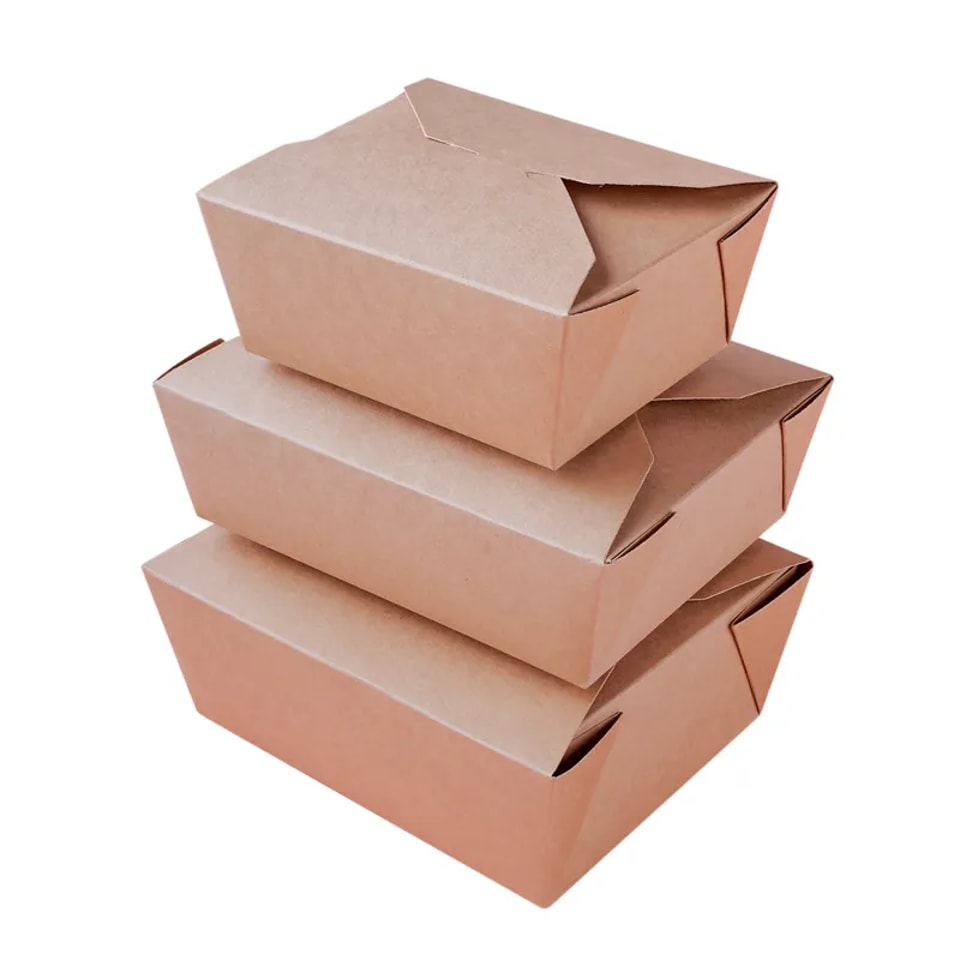
A disposable thickened kraft paper salad bowl can offer the structural support needed for takeaway service, provided its construction matches the intended application.
-Room for fresh ingredients: A suitable opening makes it easier to arrange greens, grains, vegetables, and toppings without excessive compression.
-Structural stability: A rigid bowl helps support the portion during filling, stacking, and transportation.
-Presentable serving: The right shape and capacity help keep ingredients organized and make the salad easier to carry and eat.
For restaurants, salad chains, and foodservice distributors, the goal is to match the packaging to the actual menu rather than choose a bowl based on appearance alone.
Can Thickened Kraft Paper Salad Bowls Handle Dressing and Moisture?
Moisture resistance is one of the most important considerations when packaging fresh salads. Water from washed vegetables, juice from fruit, and oil-based or creamy dressings can affect the bowl during storage and delivery.
Buyers should check three aspects before approving a product.
-Coating performance: Confirm that the inner coating is suitable for the intended ingredients and expected holding time. Paper bowls do not all offer the same resistance to oil and moisture.
-Bowl construction: Review the base, sidewalls, rim, and bonded seams for consistent construction and dimensional stability.
-Lid compatibility: A secure fit helps reduce spills when the bowl is carried, stacked, or placed inside a delivery bag.
Testing should use the actual salad, dressing, fill level, and intended lid. Check for leakage, deformation, and closure movement under realistic handling conditions.
What Makes a Salad Bowl Easy to Pack, Carry, and Serve?
A salad bowl needs to work for both kitchen staff and customers. Its shape, opening, depth, and rigidity affect how easily food can be packed and how well the portion holds up during transportation.
A wider opening can make it easier to arrange leafy greens and toppings, while sufficient depth helps accommodate larger portions. The bowl should also leave enough space for the lid to close without pressing directly against the food.
For busy takeaway operations, consider the following:
-Packing efficiency: Choose a shape that fits the preparation workflow and available storage space.
-Stacking stability: Check whether filled bowls remain stable when several orders are packed together.
-Convenient serving: Ensure the opening provides enough room for customers to access the ingredients comfortably.
-Delivery performance: Test the complete bowl-and-lid combination during carrying, tilting, and normal delivery handling.
The best design is one that protects the food while fitting the restaurant's everyday packing and delivery process.
How Do You Choose the Right Salad Bowl Size?
Bowl capacity should reflect the actual serving portion, not simply the largest available size. A side salad needs less space than a meal-sized salad containing grains, chicken, eggs, or other protein toppings.
-Side salads and fruit portions: Smaller bowls can accommodate lighter servings without unnecessary packaging volume.
-Individual lunch salads: Medium-sized bowls provide room for mixed vegetables, proteins, and toppings.
-Full meal salads: Larger bowls allow more space for bulky ingredients and help prevent the contents from becoming crowded.
Capacity alone is not enough. Buyers should also consider the bowl's opening, depth, usable filling volume, and lid clearance. A bowl that appears large on paper may not provide enough room for tall toppings or a dressing container.
Anbao offers different
paper bowls and food containers for foodservice and takeaway applications. Buyers can compare available formats and confirm the appropriate specifications against their portion sizes, menu requirements, and intended use.
Can You Customize Kraft Paper Salad Bowls for Your Brand?
For restaurant chains, salad brands, and prepared-food retailers, packaging is part of the overall dining experience. Consistent design can make orders recognizable while helping businesses maintain a unified presentation across multiple locations.
Customisation may include:
-Logo and artwork: Printed branding helps distinguish the product and reinforce brand recognition.
-Custom dimensions: Bowl specifications can be matched to different serving portions and menu items.
-Coordinated packaging: Matching bowls with suitable lids and other takeaway containers helps maintain a consistent presentation.
-Material selection: Buyers can assess suitable paper and coating options based on food-contact requirements, performance, and environmental goals.
Food safety and environmental claims should be verified for the specific product. Kraft paper alone does not establish that a bowl is recyclable, compostable, or biodegradable. Buyers should confirm applicable documentation and destination-market requirements before ordering.
Anbao provides customised food packaging solutions, including options for logo printing, patterns, colours, and sizes. Final specifications and available customisation should be confirmed during product consultation and sample approval.
How to Choose a Reliable Kraft Paper Salad Bowl Manufacturer
For bulk buyers, a suitable manufacturer should help establish clear specifications, consistent quality expectations, and practical delivery arrangements. Comparing quotations is more useful when each supplier is quoting for the same product requirements.
Before placing an order, confirm these details:
1.Product specifications: Bowl dimensions, capacity, material construction, coating, and compatible lid.
2.Sample approval: Test the bowl with the actual salad, dressing, portion size, and delivery conditions.
3.Custom printing: Approve the artwork, colours, and final printed sample before mass production.
4.Quality consistency: Agree on inspection criteria and the process for managing production variations.
5.Commercial terms: Confirm minimum order quantity, lead time, packaging configuration, payment terms, and shipping arrangements.
Anbao has manufactured paper food packaging since 1996 and supplies paper cups, bowls, and food containers for foodservice and other business customers. Its manufacturing and product development capabilities support customised packaging requirements, while order planning helps align production with customer specifications.
For salad brands and distributors, the next step is to define the intended salad types, portion sizes, dressing requirements, preferred design, and estimated order quantity. These details make it easier to assess product suitability, arrange samples, and request a quotation for bulk supply.