Home  >  News

News

What Makes a Biodegradable Paper Bowl a Better Choice for Food Packaging?

9/24, 2026

What Makes a Biodegradable Paper Bowl a Better Choice for Food Packaging?

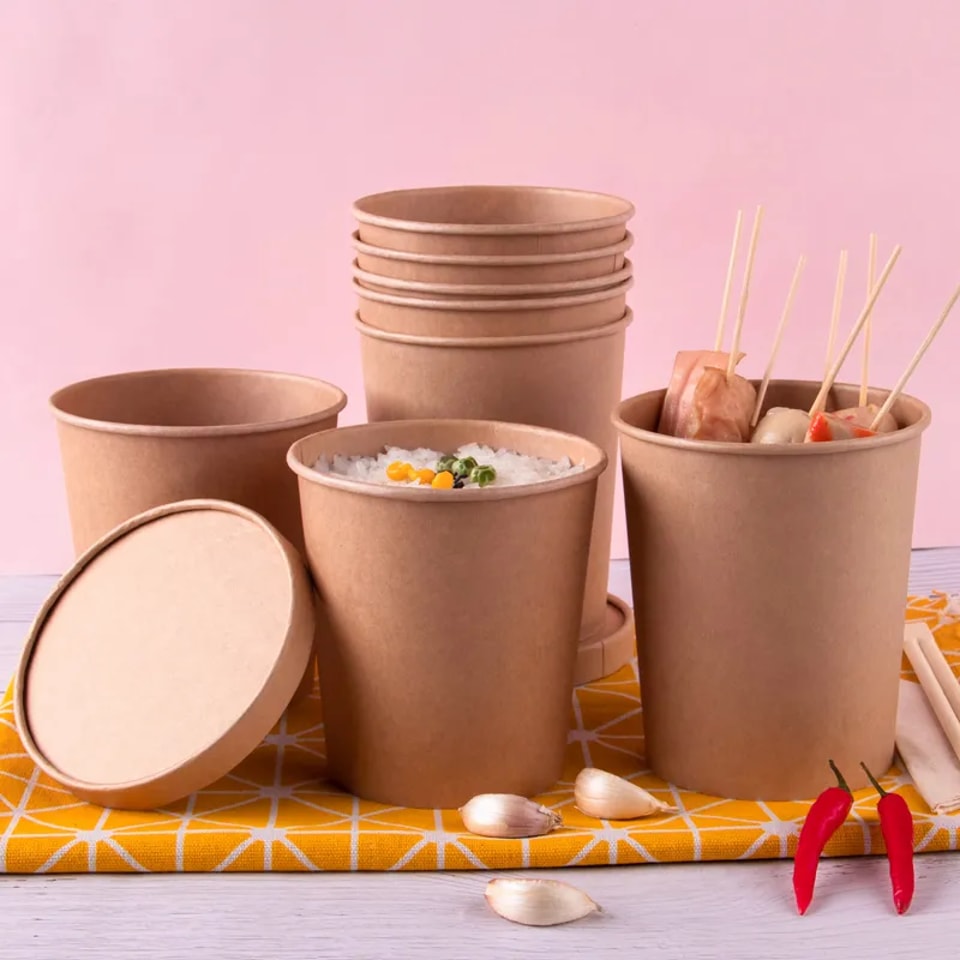
Food packaging has to do more than hold a meal. The bowl needs to match the food, portion size, moisture level, serving method, and handling requirements while also meeting the packaging goals of the business. Choosing the right structure at the beginning can make a noticeable difference in storage, takeaway, delivery, and presentation. For this reason, we look at a biodegradable paper bowl as a complete packaging solution rather than a simple paper container. Material, coating, capacity, shape, lid compatibility, and customization all need to work together. Once these factors are clear, choosing the right bowl becomes much easier. Why Biodegradable Paper Bowls Need the Right Specification Different foods place different demands on their packaging. A dry snack, a salad with dressing, and a hot takeaway meal do not need exactly the same bowl structure. That is why we consider the following points together: Food type Portion size Liquid and oil content Bowl capacity Shape and dimensions Coating requirements Lid compatibility Customization needs Our paper bowl and food container range covers round bowls, rectangular bowls, square bowls, soup bowls, paper food containers, and compostable food containers. This gives businesses different formats to match different food applications. What Makes a Paper Bowl Suitable for Food Packaging? The paper itself is only one part of the container. The overall construction determines how the bowl performs when it comes into contact with food, moisture, oil, sauces, or other ingredients. For practical food packaging, we pay attention to three connected elements: the paperboard structure, the coating, and the bowl design. These factors should be selected according to the food rather than considered separately. Paperboard Structure Paperboard provides the basic body of the bowl and helps it maintain its shape during filling, stacking, transport, and serving. The required structure depends on the application. A bowl for a light meal may have different requirements from one used for a meal containing sauces or liquids. Coating and Food Contact The inner coating helps the paper container work with the food it is designed to hold. Our paper bowl options include PE, PLA, and aqueous coating choices according to food and market requirements. This makes coating selection an important part of the purchasing process. The right option depends on the food, moisture level, oil content, and intended use. Biodegradable, Compostable, and Recyclable: What Should You Check? When we discuss environmentally focused food packaging, we recommend looking at the actual material structure and coating rather than relying on a single label. The final treatment of a container also depends on the requirements and facilities of the intended market. Our compostable food containers include round, square, three-compartment, and multi-compartment formats. Available capacities include 350ml, 450ml, 650ml, 1000ml, 1250ml, and 1500ml across several single-compartment formats, alongside additional multi-compartment options. This range is useful when a food business needs to combine portion control with a specific container format. How Does Food Type Affect Biodegradable Paper Bowl Selection? The food being served should guide the bowl specification. Moisture, oil, sauce, temperature, and portion size can all change what the packaging needs to handle. Soup and Liquid-Based Meals Soup and other liquid foods require careful attention to the bowl's coating, capacity, and structure. The container needs enough volume for the serving while maintaining a practical shape for handling. A deeper bowl can also make filling, carrying, and serving more convenient. Rice, Noodles, and Sauced Meals Rice and noodle dishes often contain sauces or other liquids. In this case, the coating becomes particularly important because the food can remain in contact with the inner surface during takeaway or delivery. The bowl should also provide enough space for the portion without making the meal difficult to handle. Salads and Cold Foods Cold food still creates packaging requirements. Salad dressings, oils, and moisture can affect the inside of the container, so the bowl specification should reflect the actual ingredients being served. This is why capacity alone should not determine the final choice. Choosing the Right Biodegradable Paper Bowl Size Once the food type is clear, capacity becomes the next practical consideration. The right size should provide enough room for the intended portion while maintaining a comfortable format for storage and handling. Our round paper bowl range includes capacities from 350ml to 1300ml, with options such as 350ml, 450ml, 550ml, 650ml, 750ml, 998ml, 1100ml, and 1300ml. The dimensions vary by capacity, allowing businesses to choose a format that fits their serving requirements. Smaller Portions Smaller capacities can suit lighter servings, side dishes, snacks, and desserts where a large container would create unnecessary space. Medium and Larger Meals Medium and larger capacities provide more room for complete meals, soups, noodles, rice dishes, and other takeaway portions. Rather than choosing a size based only on volume, we recommend considering the food's shape and serving style as well. For businesses looking for a broader selection of capacities and structures, our paper bowl products provide multiple specifications for different foodservice applications. Round, Rectangular, or Square Paper Bowl? Shape affects more than appearance. It can influence how food is presented, how containers are stacked, and how efficiently they fit into takeaway packaging. The best format depends on the meal and the way it will be served. Rectangular Paper Bowls Our rectangular paper bowls are available in 500ml, 650ml, 750ml, and 1000ml capacities. All four options use a 173 × 120mm footprint, with heights ranging from 40mm to 75mm. This format provides a wider presentation area and can work well for takeaway meals, rice dishes, snacks, and food portions that benefit from a longer container shape. You can also explore our rectangular paper bowls when a longer format better suits the food presentation or packing requirements. Square Paper Bowls Square bowls provide another option when presentation and packing format are important. Available capacities are 750ml, 1000ml, 1230ml, and 1410ml, with a 167.2 × 167.2mm footprint and heights from 43.4mm to 75mm. The square format is suited to fruits, light meals, bento, and takeaway applications, with lid-compatible configurations available. Our square paper bowls provide these four capacity options for businesses that prefer a square format for food presentation and takeaway packaging. How Do You Choose the Right Bowl for Your Business? A simple selection process helps connect the technical requirements with the final product. Match the Bowl to the Food Identify the food's moisture, oil, sauce, and temperature requirements first. This gives you a clearer direction for the coating and structure. Match Capacity to Portion Size Choose a capacity that fits the actual serving rather than selecting the largest available option. This keeps the packaging practical for filling, storage, and delivery. Match Shape to Presentation Round, rectangular, and square bowls provide different presentation formats. Consider how the food will be arranged and how the container will be handled after filling. Consider Lids and Delivery For takeaway and delivery, a compatible lid can make transportation easier and help keep the packaging together during handling. Consider Customization If the bowl is part of your brand presentation, decide whether you need logo printing, custom patterns, colors, private-label packaging, or a tailored size. Custom Biodegradable Paper Bowls for Food Brands Once the basic specification is clear, customization becomes much easier to define. We provide options for logo printing, custom patterns, custom colors, private-label packaging, and tailored bowl or container sizes. For a custom request, the most useful information includes the product type, capacity, quantity, artwork, coating preference, and destination country. These details help us recommend a suitable specification and prepare sample or wholesale options. What Should You Confirm Before a Bulk Order? A clear specification helps avoid unnecessary changes later in the purchasing process. Before confirming an order, we recommend checking: Food type and serving size Capacity and dimensions Paperboard structure Coating requirement Bowl shape Lid compatibility Printing or private-label requirements Order quantity Packaging requirements Destination market requirements This checklist keeps the discussion focused on the actual application instead of choosing a bowl based on appearance alone. Find a Biodegradable Paper Bowl That Fits Your Food Application The right biodegradable paper bowl needs to balance food compatibility, structure, coating, capacity, shape, and presentation. Once these requirements are clear, it becomes easier to narrow the available options and choose packaging that fits the way your business serves food. We can support standard and customized packaging requirements across different bowl formats, capacities, materials, coatings, and branding needs. If you already have a target capacity, food application, quantity, or artwork, contact us for a customized paper bowl solution and share your requirements with us.
How Do You Choose the Right 8oz Double Wall Paper Coffee Cup for Your Business?

9/24, 2026

How Do You Choose the Right 8oz Double Wall Paper Coffee Cup for Your Business?

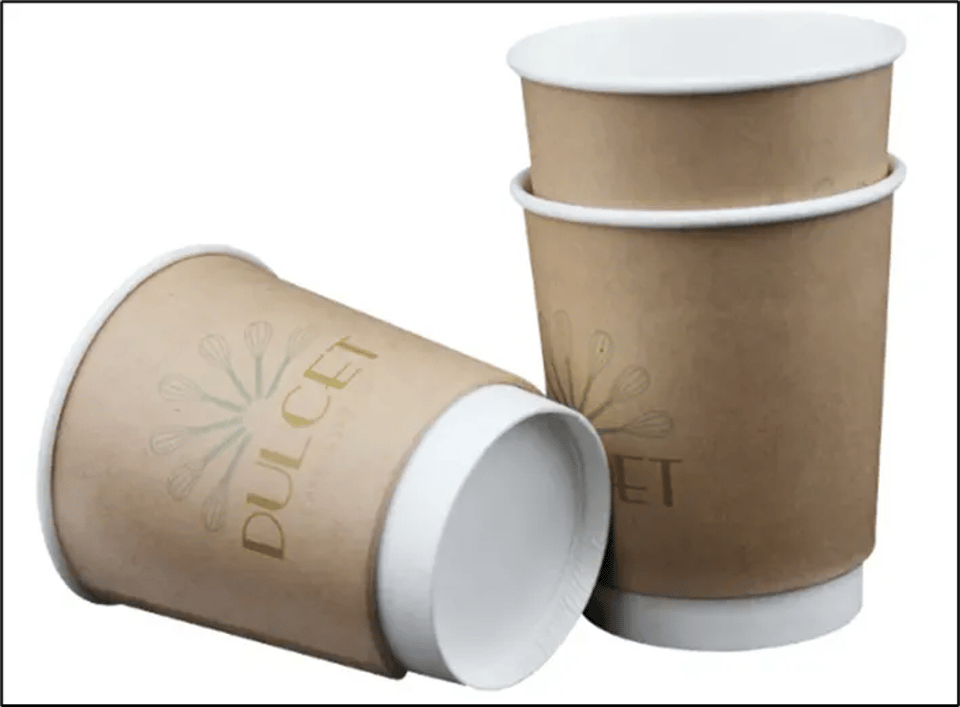
Choosing the right coffee cup affects how a hot drink is served, handled, packaged, and presented. For an 8oz cup, capacity is one part of the decision. The wall construction, dimensions, coating, printing, and order requirements all need to work together with your beverage service. When these details are clear, it becomes easier to choose a cup that fits your drinks and daily operation without creating unnecessary changes later. Why Does an 8oz Paper Coffee Cup Work Well for Hot Drinks? An 8oz paper coffee cup provides a compact serving option for coffee and other hot beverages. However, the capacity alone does not determine whether the cup is suitable for your business. The physical dimensions and wall construction also need to match how the cup will be used. Our Anbao 8oz double wall paper coffee cup has a capacity of 8oz / 280ml and measures 80mm in top diameter, 54.5mm in bottom diameter, and 92mm in height. These specifications provide a useful reference when planning cup storage, lid selection, and packaging requirements. The 8oz format can suit coffee shops, restaurants, catering services, beverage chains, and other foodservice applications that need a compact hot beverage cup. How Does a Double Wall Paper Coffee Cup Affect the Drinking Experience? The wall construction has a direct effect on how a hot beverage cup feels during use. A double wall design adds an outer paper layer around the inner cup, creating a more substantial structure for hot beverage service. For takeaway coffee, this construction supports a comfortable hand feel while maintaining the shape of the cup during handling. It can also reduce the need to rely on a separate sleeve as part of the serving setup. Double Wall Construction for Hot Coffee With two paper layers forming the cup structure, a double wall cup creates an additional layer between the hot beverage and the outside of the cup. This makes the construction particularly relevant when customers regularly carry takeaway coffee by hand. The cup needs to remain comfortable to hold while providing enough structure for everyday handling. When Is a Different Cup Structure More Suitable? Cup construction should match the application. A single wall structure can work for a simpler serving setup, while a ripple wall structure offers a different outer texture and appearance. Our paper cup series includes single wall, double wall, ripple wall, cold drink, and ice cream cup options. This range allows the structure to be selected according to the beverage and serving requirements. What Size Is an 8oz Double Wall Coffee Cup? Capacity and physical dimensions should be considered together when planning a cup order. The volume indicates the intended serving size, while the dimensions affect lid matching, storage, packaging, and the overall serving format. Our 8oz double wall coffee cup uses the following specifications: Specification Size Capacity 8oz / 280ml Top diameter 80mm Bottom diameter 54.5mm Height 92mm These measurements give you a clear reference when planning the rest of your takeaway packaging. Why Does the Top Diameter Matter? The top diameter is particularly important when selecting a compatible lid. A lid needs to match the actual cup opening rather than being chosen from the cup capacity alone. Before placing a bulk order, we recommend confirming the cup dimensions together with the required lid specification. This is especially useful when introducing a new cup size or changing your takeaway format. How Should You Choose the Paper Cup Coating? Once the cup size and structure are clear, the coating becomes another important consideration. The right barrier solution should correspond with the beverage application and the requirements of your target market. We provide paperboard with PE, PLA, or aqueous coating options according to beverage type and market requirements. PE, PLA, and Aqueous Coating Options Each coating option addresses different material requirements, so the selection should be considered alongside the beverage and market. PE coating provides a conventional barrier solution for paper cups. PLA coating is available when this material option is required. Aqueous coating provides another barrier choice for specific applications. We recommend confirming the beverage type, intended market, and material requirements together. This gives us the information needed to match the cup specification to your project. What Should You Check Before Ordering 8oz Coffee Cups in Bulk? Once the basic requirements are clear, bulk purchasing becomes easier to manage. A complete specification also helps keep the quotation and production requirements consistent. Confirm the Cup Specification Before ordering, check these key details: Capacity Top diameter Bottom diameter Cup height Wall construction Coating Printing requirements Quantity For our 8oz model, the core specification is 8oz / 280ml, with an 80mm top diameter, 54.5mm bottom diameter, and 92mm height. Prepare the Printing and Packaging Details For a branded cup, artwork should be considered together with the material and cup structure. We provide logo printing, custom patterns, custom colors, private-label packaging, and tailored cup or container sizes. Providing the artwork, coating preference, and quantity together with the cup specification also helps us prepare a more complete quotation. How Can Custom Printing Make an 8oz Coffee Cup Fit Your Brand? A takeaway cup is part of the customer experience, so the visual design needs to work with the cup size and structure. We support custom logo printing, patterns, colors, private-label packaging, and tailored sizes. This allows the printed design and physical packaging to be developed as one specification. For businesses developing a complete branded packaging range, our custom paper packaging solutions can also support different food and beverage packaging requirements. This makes it easier to maintain a consistent visual identity across your packaging. Which 8oz Double Wall Paper Coffee Cup Fits Your Business? The right specification depends on how you serve beverages, the material requirements of your market, and the level of customization you need. If you need a compact hot beverage cup, the 8oz double wall format provides a defined 280ml capacity with an 80mm top diameter and 92mm height. From there, the coating, printing, packaging, and order quantity can be selected around your specific application. If your requirements call for a different structure, we can also help you compare the options within our paper cup range. This keeps the selection focused on your actual beverage service instead of choosing a cup based on capacity alone. Get Your 8oz Double Wall Paper Coffee Cup Specification Ready A clear specification makes the purchasing process easier. Confirm the capacity, dimensions, wall structure, coating, artwork, and quantity before moving into production. We support samples, customization, and wholesale orders. To discuss your requirements, you can contact our packaging team with your cup size, material, coating, artwork, and quantity. We can then recommend a suitable specification and provide sample and wholesale options.
12oz Single Wall Kraft Paper Coffee Cup Manufacturer - Anbao

9/24, 2026

12oz Single Wall Kraft Paper Coffee Cup Manufacturer - Anbao

Choosing a 12oz coffee cup for regular foodservice use involves more than matching the cup volume to a drink. Paper material, coating, dimensions, wall structure, printing, and order requirements all affect whether the cup fits your application. Getting these details right before production can make ordering easier and help avoid issues with sizing, customization, and packaging. What Makes a 12oz Single Wall Kraft Paper Cup a Practical Choice? For takeaway coffee and other foodservice applications, a cup needs to balance capacity, structure, appearance, and production requirements. A single wall kraft paper cup provides a straightforward format while leaving room for branding and specification adjustments. At Anbao, Our 12oz single wall kraft paper cup has a 420ml volume and measures 90 × 60 × 110mm. These dimensions provide a clear reference when planning your beverage menu, packaging, and compatible accessories. Getting the 12oz Cup Size Right Capacity is only one part of the specification. When ordering in bulk, the actual dimensions are equally important because they can affect storage, packaging, and accessory compatibility. 420ml Capacity for Everyday Beverage Service Our paper cup range covers sizes from 4oz to 24oz, giving you flexibility when different beverages require different serving volumes. The 12oz option provides 420ml of capacity, while the 10oz and 16oz options provide 361ml and 497ml respectively. This range makes it easier to create a consistent cup selection when your menu includes several beverage sizes. Check the Dimensions Before Production The 12oz cup measures 90 × 60 × 110mm. Confirming these dimensions before production is especially useful when you already have requirements for lids, holders, sleeves, cartons, or other packaging components. For a custom order, we recommend sharing your required cup size and intended application so we can help match the specification to your project. Choosing the Right Paper Cup Material and Coating Once the size is confirmed, material and coating become the next important considerations. The kraft paper provides the cup's natural appearance, while the coating forms an important part of its functional construction. PE, PLA, or Aqueous Coating We offer PE, PLA, and aqueous coating options according to beverage type and market requirements. The right coating depends on your application and target market. When requesting a quotation, provide your beverage type and coating preference so we can review the appropriate specification with you. Match the Material to Your Application Our paper cups are designed for applications including coffee shops, restaurants, takeaway meals, catering events, beverage chains, and foodservice distribution. Rather than selecting the coating separately from the rest of the cup, consider the complete application: what you are serving, where the cup will be used, and what requirements your target market has. How Does Single Wall Construction Fit Your Beverage Service? Wall structure affects how the cup is handled and how it fits into your overall beverage packaging. That makes it worth confirming the structure before moving from a sample to a larger order. A single wall cup is a straightforward option when its construction meets your beverage service requirements. If your project calls for a different structure, our paper cup range also includes double wall and ripple wall options, allowing you to select a format that better matches the intended application. (Paper Cup Series) The key is to consider the wall structure together with the beverage, handling conditions, and overall packaging concept rather than selecting the cup based on capacity alone. What Can You Customize on a 12oz Kraft Paper Coffee Cup? Once the basic specification is settled, customization can turn the cup into an important part of your brand packaging. Artwork, colors, packaging format, and cup size can all be considered as part of the same project. Logo and Custom Printing We support logo printing, custom patterns, custom colors, private-label packaging, and tailored cup or container sizes. For a branded 12oz cup, prepare your logo artwork, preferred colors, cup specification, and quantity before requesting a quotation. This gives us the information needed to review your customization requirements efficiently. Low-MOQ Custom Orders When you need branded cups without committing to an unnecessarily large initial quantity, our low-MOQ custom solution covers 8oz, 12oz, and 16oz kraft paper coffee cups. You can explore our 12oz custom kraft paper coffee cups to review the available customization and specification options. Which Paper Cup Structure Should You Choose? Different beverage programs may call for different cup constructions. Comparing the available structures before ordering can help you settle on the right format before production planning begins. Single Wall Cups Single wall construction keeps the cup format straightforward and is available within our paper cup range for coffee and other foodservice applications. Double Wall and Ripple Wall Cups When a project requires a different structure, we also offer double wall and ripple wall cups. Our paper cup series also includes cold drink and ice cream cup formats, making it easier to select a structure that fits your application. What Information Do We Need for a 12oz Cup Quote? A complete specification helps us understand your project quickly and prepare a suitable quotation. You do not need a complicated technical document; the essential details are enough to get started. Product and Order Details Please provide: Product type: 12oz single wall kraft paper cup Capacity: 420ml Dimensions: 90 × 60 × 110mm Required quantity Material preference Coating preference Logo or artwork Destination country We can then review the project and recommend a suitable specification, with sample and wholesale options available according to your order requirements. Why Destination Country Matters The destination country is part of the quotation information because material, customization, packaging, and delivery requirements can vary by project. Providing the destination at the beginning gives us a clearer picture of the order and helps avoid unnecessary revisions later. Why Work With a 12oz Paper Cup Manufacturer Directly? When a cup is part of your regular packaging supply, consistent specifications and clear communication become just as important as the product itself. We have focused on food packaging and customized solutions since 1996, with manufacturing and global service supporting our customer projects. Our role is not limited to supplying a standard cup. We review the specific project, consider the required specifications, and provide a suitable packaging solution based on the application. Ready to Order Your 12oz Single Wall Kraft Paper Cups? A successful bulk order starts with a clear specification: 420ml capacity, 90 × 60 × 110mm dimensions, the appropriate coating, the required artwork, and the right quantity. If you already have these details, you can request a 12oz paper cup quotation and send us your product requirements. We can review your application and discuss the appropriate sample and wholesale options.
Biodegradable Ice Cream Cup Manufacturer in China: A Buyer’s Guide

9/24, 2026

Biodegradable Ice Cream Cup Manufacturer in China: A Buyer’s Guide

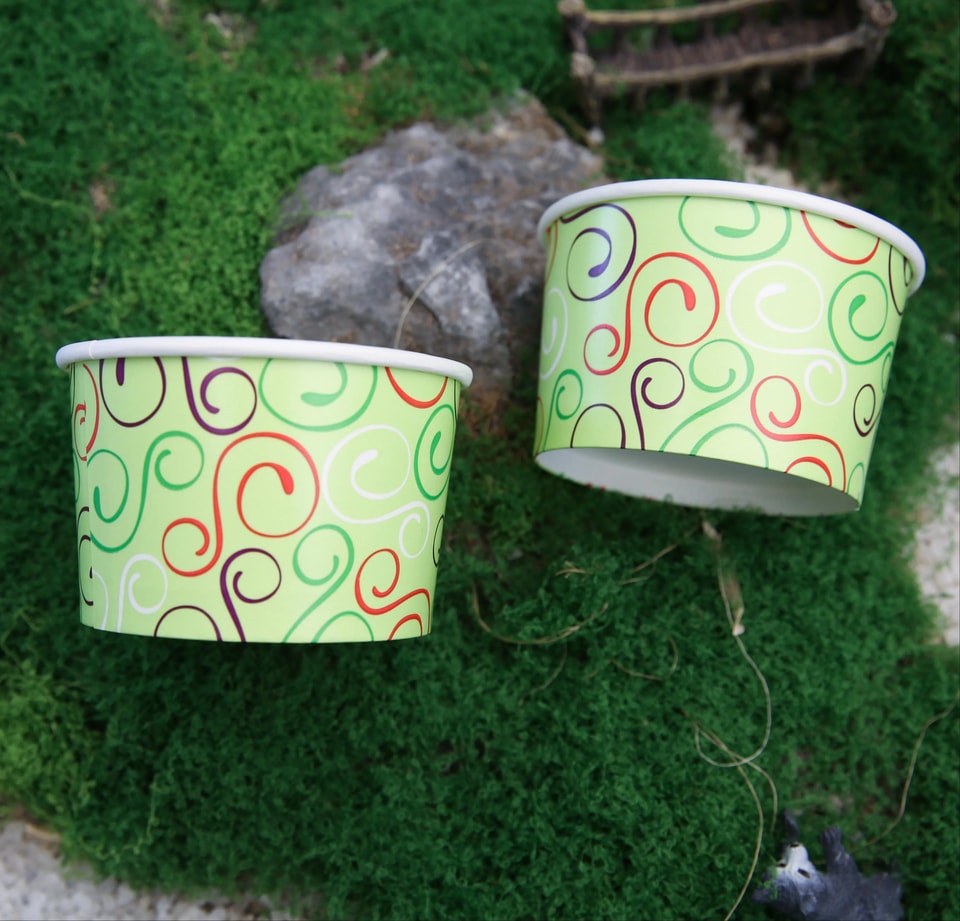
Choosing the right ice cream cup involves more than selecting a suitable size. Material, coating, capacity, printing, and packaging all affect whether a cup fits your frozen dessert business and purchasing requirements. For buyers sourcing from China, defining these details early also makes it easier to compare specifications, request samples, and move efficiently toward bulk production. When choosing biodegradable ice cream cups, the key specifications to consider are capacity, dimensions, material, coating, customization, and packing. Our current range covers seven capacities from 138 ml to 520 ml, providing options for different serving requirements. How Do You Choose the Right Ice Cream Cup Size? Capacity is usually the first specification to confirm because it needs to match your intended serving volume. However, capacity alone does not tell you how the cup will fit your product or packaging setup. The top diameter, bottom diameter, and height should also be considered. Our current ice cream cup range includes seven capacities: Capacity Volume Size (T × B × H) 3 oz 138 ml 75 × 61 × 49 mm 4.5 oz 170 ml 95 × 83 × 39 mm 5 oz 195 ml 86 × 71 × 51 mm 8 oz 303 ml 96 × 80 × 62 mm 12 oz 390 ml 111.5 × 92 × 58 mm 14.5 oz 440 ml 95 × 71 × 93 mm 16 oz 520 ml 111.5 × 88 × 85 mm Each listed size is packed at 1,000 pieces per carton. Once your serving volume is clear, the next step is to match it with the appropriate cup dimensions and packaging requirements. Which Materials and Coatings Are Available for Ice Cream Cups? Material and coating should be considered together when selecting an ice cream cup. The combination needs to suit the intended application as well as the requirements of your target market. We offer paper board with PE, PLA, or aqueous coating options. The coating should therefore be confirmed as part of the overall specification rather than selected separately from the cup material. PE, PLA, or Aqueous Coating? Each coating option forms part of a different material configuration. Your choice should be based on the product requirements, packaging specifications, and market considerations for your order. When requesting a quotation, you can provide your preferred material or coating together with the required capacity and quantity. We can then review the specification and discuss a suitable solution for your project. What Makes a Custom Ice Cream Cup Suitable for Your Brand? Once the size and material requirements are clear, customization becomes easier to define. A branded cup needs to bring together the artwork, colors, dimensions, and packaging requirements without losing sight of the basic product specification. We support logo printing, custom patterns, custom colors, private-label packaging, and tailored cup or container sizes. This gives you more flexibility when developing packaging around your brand identity. Custom Printing and Private-Label Packaging For a custom order, prepare your artwork together with the required capacity, quantity, material, coating, and destination country. Having these details ready helps us review your project more efficiently and provide a more relevant quotation. If you also need other paper food packaging, our paper cup series includes single-wall cups, double-wall cups, cold drink cups, ripple/corrugated cups, and ice cream cups. This makes it possible to consider several paper packaging requirements together. What Should You Confirm Before Ordering Biodegradable Ice Cream Cups? A clear product specification helps reduce changes during the purchasing process. Before moving forward, we recommend confirming the details that directly affect the finished cup and order. These include: Capacity and cup dimensions Paper material Coating preference Printing and artwork Custom size requirements Order quantity Packing requirements Destination country For quotation requests, providing the product type, capacity, quantity, artwork file, coating preference, and destination country gives us a clear basis for discussing your requirements. How Do You Choose an Ice Cream Cup Manufacturer in China? The right manufacturer should be able to understand your requirements and turn them into a practical packaging specification. This becomes especially important when your project involves custom sizes, printed designs, specific coatings, or private-label packaging. At Anbao, we have focused on food packaging and customized solutions since 1996. Our product range covers paper cups, ice cream cups, paper bowls, and other food packaging products, allowing us to support different packaging requirements within the same product category. A Clearer Way to Discuss Your Packaging Project We prefer to understand the complete requirement before discussing the final product configuration. This means looking at the cup size, material, coating, artwork, quantity, and destination together. Once these details are clear, we can review the project and discuss the appropriate product specification, customization, and purchasing requirements. What Ice Cream Cup Options Can You Order from Anbao? Our ice cream cup range covers seven standard capacities from 3 oz to 16 oz, with corresponding dimensions and carton specifications. Customization is available for logo printing, patterns, colors, private-label packaging, and tailored sizes. The range can also be considered alongside our wider paper packaging solutions when you need additional paper cups or related food packaging. This provides more flexibility when planning packaging for different products or serving applications. Rather than choosing a cup based on capacity alone, we can work with you to confirm the complete specification according to your product and order requirements. How Can You Start a Custom Ice Cream Cup Order? Once your basic requirements are prepared, the ordering process becomes much easier to manage. A clear specification also helps us respond more accurately to your project. Share Your Requirements Provide the required capacity, quantity, material, coating, artwork, and destination country. Confirm the Product Specification We review the information and discuss the suitable cup configuration, customization, and packaging details with you. Review Samples and Wholesale Options We support sample orders, customization, wholesale direct orders, and payment arrangements. This allows you to review the product specification before proceeding with a larger order. Move Forward With Production After the specifications and order requirements are confirmed, we can proceed with the agreed customization and production arrangements. Ready to Choose Your Biodegradable Ice Cream Cup Manufacturer in China? The right ice cream cup should match your serving size, dimensions, material, coating, branding, and purchasing requirements. Once these details are clearly defined, it becomes easier to select the appropriate specification and move from sampling to production. If you already know your required size, material, coating, quantity, or artwork, contact our team to discuss your ice cream cup requirements and wholesale options. You can also learn more about Anbao to understand our food packaging capabilities and customized solutions.
How to Source Biodegradable Paper Bowls for Restaurants: A Practical Procurement Guide

9/18, 2026

How to Source Biodegradable Paper Bowls for Restaurants: A Practical Procurement Guide

Choosing biodegradable paper bowls for restaurants is not only about capacity or quotation. Restaurant groups, takeaway operators, beverage chains, and foodservice distributors need a bowl-and-lid system that suits the menu, routine handling, delivery conditions, custom branding, and repeat-order requirements. Anbao Environmental supplies paper-based food packaging for restaurants, coffee shops, takeaway brands, beverage chains, event suppliers, and foodservice distributors, including paper bowls, paper cups, food containers, and related formats. Why Paper Bowl Procurement Is a System Decision A paper bowl is one part of a foodservice packaging system. Its performance depends on the food, filling temperature, moisture and oil content, holding time, lid fit, staff handling, stacking, and delivery conditions. Buyers should therefore define the intended application before comparing bowl formats. Price should be assessed alongside the complete specification. Meaningful quotation comparisons require the same bowl format, material construction, print requirement, lid system, packing configuration, quality expectations, order quantity, and delivery arrangement. A defined specification also gives multi-location restaurant brands a clearer basis for repeat orders. Define the Food Application Before Choosing a Bowl Hot Food, Soups, and Noodle Takeaway Soup, broth noodles, congee, curries, and other liquid-rich dishes require a bowl-and-lid system that works from filling to customer handover. Review filling temperature, fill level, holding time, delivery duration, stacking, bowl base, rim formation, structural stability, and lid fit. Product testing should use the actual dish and normal delivery conditions. Rice Bowls, Sauced Meals, and Oily Foods Rice meals, fried foods, curries, and sauced dishes can expose packaging to oil, moisture, steam, and movement. Grouping menu items into dry meals, semi-liquid meals, soups, cold foods, desserts, and side portions helps procurement teams select practical bowl and lid formats without creating unnecessary SKU complexity. Salads, Cold Foods, and Light Meals For salads, fruit bowls, chilled desserts, and light meals, consider usable fill volume, topping headspace, opening shape, lid style, stackability, and branded presentation. Dressing and other add-ons should be included in the test configuration where relevant. The right format depends on the menu and service channel. Restaurants operating dine-in takeaway, delivery, catering, or beverage-adjacent foodservice may require a coordinated range of bowls, containers, lids, and cups. Anbao paper bowls and food containers support foodservice and takeaway applications across a range of paper packaging formats. Evaluate Material, Food Safety, and Sustainability Claims “Biodegradable” is not a complete product specification. Buyers should confirm the material construction, food-contact layer or coating, food application, destination market, and intended environmental claim. The sourcing brief should also define serving temperature, exposure to moisture, sauces and oils, holding time, and delivery conditions. For biodegradable paper bowls for restaurants, material information, food-contact documentation, and applicable quality or environmental requirements should be reviewed before production approval. Anbao provides supporting product and certification documentation for the confirmed packaging programme, while final compliance review should align with the destination market and relevant disposal conditions. Anbao operates with BSCI, BRC, ISO, and FSC-certified quality systems. Relevant certificates and product documents can be matched to the final bowl specification, intended food application, and destination-market requirements. Evaluate a Paper Bowl Supplier for Restaurant Procurement Supplier evaluation should cover repeat-production quality, print approval, customisation, documentation, samples, production timing, MOQ, and payment terms as one commercial and operational plan. Anbao supports custom logos, patterns, colours, and sizes across its paper food packaging range. Samples, direct wholesale supply, and order arrangements can be planned around the final product, artwork, quantity, destination, and delivery schedule. Buyer Concern What to Confirm How Anbao Supports the Requirement Quality consistency Material, dimensions, bowl formation, lid fit, packing, and repeat-order consistency Confirmed specifications, approved samples, quality-management processes, and applicable product documentation can be aligned with the order. Print and customisation Artwork accuracy, colour reference, print position, sizes, formats, lids, and packing options Custom logos, patterns, colours, and sizes can be developed against approved artwork and sample requirements. Compliance and samples Food-contact documents, certification scope, environmental requirements, and representative samples Relevant product and certification documents can be reviewed, while samples can be evaluated with actual food and delivery conditions. Lead time, MOQ, and payment Artwork approval, sampling, production, shipment timing, minimum quantity, currency, and payment milestones Production plans, MOQ, and payment terms can be confirmed in the product-specific quotation and proforma invoice. Build a Repeatable Paper Bowl Programme Before mass production, test the bowl, lid, actual food, filling temperature, fill level, handling process, stacking, and representative delivery environment together. A practical trial should reflect daily service rather than a static inspection of an empty bowl. After approval, standardise the bowl format, dimensions, material construction, compatible lid, artwork, packing configuration, inspection requirements, order quantity, and delivery arrangement. This gives procurement, operations, marketing, quality, and logistics teams one reference for repeat orders. Anbao Paper Food Packaging Support for Foodservice Buyers Anbao has focused on paper food packaging since 1996, supporting foodservice, beverage, takeaway, and distribution applications with paper bowls, cups, and food containers. Anbao paper food packaging solutions help buyers build a coordinated packaging range around menu and operating requirements. As the exclusive paper-bowl supplier for Master Kong instant noodles in Southwest China, Anbao supports daily supply across Chengdu, Chongqing, and Kunming. Since 2008, its Chengdu and Nanjing subsidiaries have been authorised to manufacture Coca-Cola paper cups in China after passing Coca-Cola quality certification. A reliable paper bowl programme begins with the menu and ends with a specification that can be repeated across production, delivery, and future orders.
How Can You Find Cheap Disposable Cups Without Sacrificing Quality?

9/17, 2026

How Can You Find Cheap Disposable Cups Without Sacrificing Quality?

Finding cheap disposable cups is easy. Finding cups that are affordable, suitable for your drinks, and reliable enough for everyday service takes a little more consideration. For cafés, restaurants, takeaway businesses, and foodservice distributors, the real goal is not simply to pay the lowest price. It is to choose the right cup structure, size, coating, and customization level so you get the value your business actually needs. At Anbao, we help businesses develop disposable cup solutions around these practical requirements. What Makes Cheap Disposable Cups a Better Value? When we help customers choose disposable cups, we look beyond the unit price. A suitable cup should match the way it will be used, while avoiding specifications that add cost without providing a real benefit. Choose the Features You Actually Need A few practical questions can make the selection process much easier: Will the cup hold hot or cold drinks? What capacity do you need? Do you need extra insulation? Will the cups carry your logo? How much customization do you really need? For example, a straightforward beverage application may work well with a single-wall structure, while hot drinks that require more insulation may be better suited to a double-wall or ripple-wall design. Our disposable paper cup range covers single-wall, double-wall, cold drink, ripple-wall, and ice cream cup options, giving us flexibility to match different applications without forcing every order into the same specification. How Can You Tell if Cheap Disposable Cups Are Good Enough? Price alone does not tell you whether a disposable cup is suitable. The better question is whether its construction and material match the job. Consider the Cup Structure A cup needs to perform well for its intended beverage. Single-wall cups offer a straightforward option for many everyday applications, while double-wall and ripple-wall structures provide additional insulation and a different feel in the hand. This is why we recommend choosing the structure together with the beverage type rather than comparing prices between completely different cup designs. Check the Coating and Application The coating is another important part of the specification. We offer paper board with PE, PLA, or aqueous coating options according to beverage type and market requirements. The right option depends on the application, so we can adjust the material and coating specification around your actual requirements instead of treating every order the same. Which Disposable Cup Material Fits Your Business? Once the application is clear, the next step is choosing a suitable material and coating. This can have a direct effect on how the cup performs and how well it fits your market. Paper Cups for Different Beverage Applications Our paper cup solutions are designed for coffee shops, restaurants, takeaway meals, catering events, beverage chains, and foodservice distributors. For everyday beverage service, a single-wall cup can provide a simple and practical structure. When insulation is more important, a double-wall or ripple-wall design may be a better fit. PE, PLA, and Aqueous Coating Options We offer PE, PLA, and aqueous coating options so the cup specification can be adapted to different beverage and market requirements. Instead of choosing a coating simply because it sounds more advanced, we recommend selecting it according to the beverage, intended use, and requirements of your market. Which Cup Sizes Make Sense for Your Order? Cup size is another area where choosing the right specification can help control purchasing costs. The best size is the one that matches your actual serving requirements. Single-Wall Sizes from 4oz to 24oz Our single-wall paper cups range from 4oz (118ml) to 24oz (714ml), including 8oz (280ml), 12oz (420ml), 16oz (497ml), and 20oz (598ml) options. This range gives us room to support both smaller servings and larger takeaway beverages without requiring customers to work around a limited selection. Match the Cup to Your Menu If your menu already has standard serving sizes, we can work from those requirements when recommending the cup capacity. This is particularly useful for businesses ordering multiple sizes. Rather than choosing a larger cup simply because it appears more versatile, it is usually more practical to match each cup to the beverage it will actually hold. Can Custom Disposable Cups Still Be Cost-Effective? Once the basic cup specification is settled, branding is often the next consideration. Custom printing does not have to mean choosing an unnecessarily complicated product. Customize the Details That Matter We provide customization for: Logo printing Custom patterns Custom colors Custom sizes Private-label packaging We can also work from your artwork and required destination when preparing a quotation, making it easier to align the cup with your existing brand packaging. Keep Customization Practical For a cost-conscious order, it makes sense to decide which branding elements are essential before finalizing the specification. A clear logo and well-planned artwork can give the cup a strong branded appearance without adding unnecessary design requirements. Which Cheap Disposable Cups Suit Different Businesses? Different businesses need different combinations of price, structure, size, and presentation. That is where selecting the right cup becomes more important than simply choosing the cheapest option. Coffee Shops and Restaurants For hot beverages, we can provide single-wall, double-wall, and ripple-wall options. Our double-wall range includes sizes from 8oz (280ml) to 24oz (714ml). This allows us to adjust the cup structure and capacity according to the drinks you serve. Takeaway and Catering Businesses For takeaway meals, catering, and foodservice distribution, practical sizing and consistent supply can be more important than adding unnecessary features. We support wholesale direct orders and customized packaging, so the specification can be developed around the quantity, application, and branding requirements of your project. How Can You Get the Right Disposable Cups at the Right Price? By this point, the purchasing decision becomes much simpler. Instead of asking only, “What is the cheapest cup?”, consider the complete specification. Check These Details Before Ordering Confirm: Beverage type Cup structure Capacity Material and coating Printing requirements Order quantity Destination country In Anbao, we have an annual production capacity of 3 billion units, including 70 million units of monthly capacity at our Nanjing base. Our production network includes 6 bases and serves customers in 15 countries. These capabilities allow us to support both customized projects and higher-volume requirements while keeping the discussion focused on the specification your business actually needs. Let Us Recommend a Suitable Specification If you already know your cup size, beverage type, quantity, and customization requirements, we can use those details to recommend a suitable option and provide sample and wholesale choices. You can request a disposable cup quote with your product type, capacity, quantity, artwork, coating preference, and destination country. We will use those details to work out a practical cup solution for your order.
What Are Biodegradable Take Away Containers and How Do You Choose the Right One?

9/17, 2026

What Are Biodegradable Take Away Containers and How Do You Choose the Right One?

Choosing takeaway packaging needs to fit the food, portion size, serving conditions, delivery process, and branding requirements. That is why we look at the whole packaging application before recommending a suitable solution. For restaurants, caterers, foodservice distributors, and takeaway businesses, the right biodegradable take away containers should make daily operations easier while giving customers a practical packaging experience. In Anbao, our range covers different shapes, capacities, compartment options, materials, and coating choices to support different foodservice needs. What Should You Look for in Biodegradable Take Away Containers? The best container depends on what you are serving and how customers receive their food. Before choosing a size or design, it helps to consider the food itself, the portion, and the way the container will be handled. Match the container to the food A dry rice meal does not require exactly the same container as soup or a saucy noodle dish. For example: Rice, noodles, and main meals can use rectangular or square food containers. Soups and other liquid-rich foods are better suited to deeper bowl-style formats. Mixed meals can benefit from multiple compartments. Salads, fruit, and lighter meals may need different capacities and shapes. Our biodegradable food containers include round and square formats as well as three-compartment and multi-compartment options for takeaway meals, fast food, and bento applications. Choose the capacity around the actual portion Capacity should follow the food portion rather than simply choosing the largest available container. Our range includes options from 350 ml to 1,500 ml, with specific sizes such as 350 ml, 450 ml, 650 ml, 900 ml, 1,000 ml, 1,100 ml, 1,250 ml, and 1,500 ml, alongside other formats. This gives us flexibility when matching containers to different menu portions. Which Materials and Coatings Work for Takeaway Food? Once the food and capacity are clear, the next question is the container structure. Material and coating choices affect how the packaging performs and how its environmental attributes should be described. Paper board for everyday foodservice Paper board provides the main structure of our food containers and offers a practical surface for printing and branding. Depending on the intended application and market requirements, we provide PE, PLA, and aqueous coating options. The coating matters because the same paper structure may be used for very different food applications. Hot food, moist food, and foods containing sauces all require the appropriate barrier solution. Why does the coating matter? We do not treat “biodegradable” as a one-size-fits-all description. The final material combination matters. PLA and aqueous coatings serve different packaging requirements, while PE is a conventional barrier option. We therefore recommend choosing the coating according to the food, market requirements, and intended disposal route rather than relying on a general environmental label. Can Biodegradable Take Away Containers Handle Hot and Saucy Foods? For takeaway food, appearance is only part of the experience. The container also needs to remain suitable throughout filling, handling, transport, and serving. Hot meals need the right structure Rice dishes, noodles, fried foods, and other hot meals can place greater demands on food packaging. A suitable container should have the right structure and barrier properties for the food being served. For liquid-rich meals, the shape becomes particularly important. Deeper bowl formats can provide a more suitable solution for soups, curries, and similar dishes. Delivery changes the packaging requirements A container used for delivery may be stacked, placed inside a delivery bag, moved between locations, and handled several times before reaching the customer. That means we also consider: Container stability Lid compatibility Stacking Food volume Storage requirements Delivery conditions These details are easy to overlook, but they can make a noticeable difference in everyday foodservice operations. Which Biodegradable Food Containers Fit Different Menus? Once the basic requirements are clear, it becomes easier to build a packaging range around the menu instead of choosing containers one by one. Main meals and takeaway dishes Rectangular and square formats work well for structured meals such as rice dishes, noodles, and other takeaway foods. Different capacities allow the same packaging range to cover smaller meals as well as larger portions. Soups, salads, and lighter meals Round containers and bowls provide another option for foods that need more depth. We also offer different formats for salads, soups, noodles, rice dishes, and other foodservice applications. For a broader look at how different containers can work together across a restaurant menu, our guide to compostable takeaway boxes explains how main-dish containers, bowls, and smaller packaging can be planned as one coordinated system. Meals with separate ingredients When a meal contains several components, compartments can make serving more convenient. We provide single-, double-, three-, four-, and five-compartment formats, including 950 ml, 1,050 ml, and 1,100 ml multi-compartment options. This makes it easier to separate main dishes, side dishes, and other meal components within one container. How Can Custom Biodegradable Take Away Containers Support Your Brand? Once functionality is settled, packaging can also become part of the customer experience. For many food businesses, a plain container is not enough—the packaging needs to fit the brand as well. Add your own branding We support customization for: Logo Patterns Colors Sizes Private-label packaging This allows the same packaging style to be carried across different takeaway meals and foodservice products. Keep different containers visually consistent If a business uses several container sizes, keeping the printing and visual design consistent can make the overall packaging feel more professional. Instead of treating each container as a separate product, we can help develop a coordinated packaging range around the menu, portion sizes, and brand requirements. What Should You Confirm Before Ordering Biodegradable Take Away Containers? By this point, the choice becomes much simpler. You mainly need to bring the food requirements, packaging specifications, and purchasing details together. Check these points first Before placing an order, we recommend confirming: Food type and serving conditions Required capacity Container shape Number of compartments Material and coating Lid requirements Printing and customization Order quantity Destination market Providing these details early helps us recommend a more suitable specification and prepare samples or wholesale options efficiently. Samples can help avoid costly mistakes A sample gives you the opportunity to check the actual size, appearance, structure, and fit with your food before moving to larger production. We support sample orders, customization, and wholesale purchasing, so the packaging can be evaluated according to your actual application rather than only through specifications. How Can We Help You Choose the Right Biodegradable Take Away Containers? There is no single container that works perfectly for every menu. The better approach is to match the packaging with the food, portion, service method, and brand. Tell us what your business needs Send us your: Food type Preferred capacity Quantity Material or coating preference Logo or artwork Destination country From there, we can work with you on the appropriate container format, customization, sampling, and wholesale requirements. We have 6 production bases, a total annual production capacity of 3 billion units, and a Nanjing production base covering 20,000 m² with a monthly capacity of 70 million units. Our production and service system is designed to support both customized projects and larger-volume food packaging requirements. Ready to choose your containers? If you already know your food type, capacity, or target quantity, we can help you narrow down the right biodegradable take away containers and move directly to samples and quotation. You can request biodegradable food container samples and a custom quote with your requirements.
What Are the Best Disposable Coffee Cups for Coffee Shops and Takeaway Drinks?

9/17, 2026

What Are the Best Disposable Coffee Cups for Coffee Shops and Takeaway Drinks?

A disposable coffee cup may look like a simple part of takeaway service, but choosing the right one can take more thought than expected. Coffee shops serve different drinks in different sizes, and the cup needs to work just as well for a morning coffee as it does for a larger takeaway latte. Size is only part of the decision. The cup structure, coating, lid, and printed design can also affect how the packaging fits into your daily service. For businesses serving hot drinks, the way the cup is constructed matters too, especially when customers are carrying their drinks away. The good news is that you do not need to choose the same type of cup for every situation. Once you know the sizes on your menu and how you normally serve your drinks, it becomes much easier to choose a suitable cup structure and specification. What Makes the Best Disposable Coffee Cups for Coffee Shops? The right cup starts with your menu and serving routine. Instead of choosing one specification for every drink, we help you match the cup structure and capacity to the way your customers order and carry their beverages. Match the cup to your drink sizes A small coffee, regular latte, and large takeaway drink do not need the same capacity. Choosing sizes around your actual menu can also make ordering and inventory easier. Our available single wall sizes include: 4oz / 118ml 8oz / 280ml 10oz / 343ml 12oz / 420ml 16oz / 497ml 20oz / 598ml 22oz 24oz / 714ml Think about the full takeaway experience Cup structure is only one part of the package. The coating, lid, printed design, and cup size all need to work with your beverage program and daily service. Disposable Coffee Cup Sizes for Different Takeaway Drinks Once the cup structure is selected, capacity becomes the next practical decision. We offer a broad size range so you can build a consistent takeaway cup program around different drinks. 8oz for smaller servings Our 8oz cup has a capacity of 280ml and measures 80 × 54.5 × 92mm. It works well for smaller takeaway coffee servings and compact drink menus. 12oz for everyday coffee orders The 12oz size holds 420ml and measures 90 × 60 × 110mm. It is a useful size for regular takeaway coffee, lattes, and other hot beverages. 16oz to 24oz for larger drinks For larger takeaway drinks, we offer 16oz, 20oz, 22oz, and 24oz options. The 24oz cup holds 714ml and measures 90 × 62 × 180mm. With these sizes available, you can select capacities according to your menu instead of forcing different drinks into the same cup size. When Are Single Wall Coffee Cups a Good Fit? Single wall cups are a practical choice when you need a straightforward cup format across everyday foodservice applications. We offer multiple capacities and coating options so the specification can follow your beverage requirements. Flexible sizes and coatings Our single wall range covers 4oz to 24oz. The paper board can be supplied with PE, PLA, or aqueous coating according to beverage type and market requirements. Built around your brand We can print logos, custom patterns, and colors directly onto the cups. Private-label packaging and tailored cup sizes are also available when you need the packaging to follow your brand guidelines. Double Wall Coffee Cups for Hot Beverage Service For businesses serving hot takeaway drinks throughout the day, cup construction becomes an important part of the customer experience. Our double wall range is designed for insulated hot beverage applications. A range from 8oz to 24oz Our double wall coffee cups are available in 8oz, 10oz, 12oz, 16oz, 20oz, and 24oz sizes. For example, the 8oz cup holds 280ml and measures 80 × 54.5 × 92mm, while the 16oz cup holds 497ml and measures 90 × 59.6 × 135mm. Keep the specification consistent We offer PE, PLA, and aqueous coating options, along with custom printing, colors, patterns, private-label packaging, and tailored sizes. This makes it easier to keep your takeaway cups consistent as your menu grows. You can explore our double wall coffee cups when planning a hot beverage range around different cup capacities. Are Ripple Wall Coffee Cups Right for Your Takeaway Menu? Ripple wall cups bring a distinctive textured structure to takeaway coffee packaging. They are suitable when you want the cup itself to contribute to the look and feel of your beverage presentation. Choose from 4oz to 20oz Our ripple wall range includes 4oz, 8oz, 10oz, 12oz, 16oz, and 20oz sizes. The 12oz option holds 420ml and measures 90 × 60 × 110mm, while the 16oz option holds 497ml and measures 90 × 59.6 × 135mm. Add lids and custom printing The ripple wall range is available for hot beverage applications and can be supplied with lids. We also support OEM customization, logo printing, custom patterns, custom colors, and private-label packaging. For coffee shops that want a recognizable takeaway presentation, our ripple wall coffee cups provide another way to build the cup specification around the brand. Coffee Cup Coating Options for Different Beverage Needs After deciding on the cup structure and size, the coating should match the beverage and the requirements of your target market. PE coating for foodservice applications PE coating is available across our paper cup solutions and can be specified according to the intended beverage application. PLA coating for specific packaging requirements PLA coating is another option available for our paper cups. It can be selected when it fits the requirements of your beverage packaging and target market. Aqueous coating for selected projects We also provide aqueous coating options. When requesting a quotation, you can tell us the beverage type and target market so we can recommend a suitable specification. Custom Disposable Coffee Cups for Your Brand Once the cup type and size are clear, customization can bring the entire takeaway range together. We keep the process focused on the specifications that matter to your order. Customize the appearance We support: Logo printing Custom patterns Custom colors Private-label packaging Tailored cup sizes Prepare the details for a faster quotation For a quotation, send us the product type, capacity, quantity, artwork file, coating preference, and destination country. We can then recommend a suitable specification and provide sample and wholesale options. How to Choose the Best Disposable Coffee Cups for Your Business The best choice comes down to how you serve coffee and what you need from your packaging. Start with your drink sizes, then select the cup structure, coating, artwork, and quantity around your actual operation. A simple selection process Confirm the drinks and capacities you need. Choose single wall, double wall, or ripple wall construction. Select the coating for your beverage and target market. Decide on lids and other takeaway packaging requirements. Prepare your logo or artwork if customization is needed. Confirm the quantity and destination country. Get a specification built around your drinks We support samples, customization, wholesale direct orders, and tailored packaging solutions. If you already know your cup size, material, coating, artwork, or quantity, contact our team for a disposable coffee cup quotation. We can help you turn those requirements into a clear cup specification for your coffee shop, takeaway service, catering business, or beverage chain.
Compostable Take Out Boxes: How to Choose the Right Eco-Friendly Food Containers

9/17, 2026

Compostable Take Out Boxes: How to Choose the Right Eco-Friendly Food Containers

Choosing the right compostable take out boxes is about more than finding an eco-friendly container. You also need to consider the food you serve, portion size, container design, coating, and whether you need custom packaging for your brand. At Anbao, we provide food packaging solutions for different business needs. Our compostable food containers come in different capacities and compartment configurations, with customization available for logos, patterns, colors, sizes, and packaging specifications. What Makes a Good Compostable Take Out Box? The right container should match your food, serving size, and packaging requirements. Once these points are clear, it becomes much easier to choose the right structure and specification. Choose a container that fits your food Our food containers are available for different takeaway applications, including: Restaurants Takeaway meals Catering Foodservice distribution Beverage chains You can choose between single-compartment and multi-compartment designs depending on how you serve your meals. Consider the coating Our paper board food containers are available with PE, PLA, or aqueous coating options, depending on the product and market requirements. The coating is an important part of the packaging specification, so we recommend confirming your food type and target market before making a final choice. Which Compostable Take Out Box Size Is Right for You? Once you know what you need to package, capacity is the next step. Choosing the right size helps you match the container to your serving portion without compromising the overall packaging format. Match capacity to portion size We can provide containers with capacities matched to the portion sizes. This range gives you flexibility when choosing containers for different meal portions and takeaway formats. Choose the right compartment design If your menu includes several food items in one serving, compartment containers can make packaging more practical. We offer: Single-compartment containers Double-compartment containers Three-compartment containers Four-compartment containers Five-compartment containers For larger combination meals, our specifications include 950 ml three-compartment, 1050 ml four-compartment, and 1100 ml five-compartment options. How Do You Choose the Right Food Container Design? Capacity is only one part of the decision. The shape and internal structure also affect how food is arranged and packed. Single-compartment containers A single compartment provides a straightforward format when your meal does not require separate sections. It is a practical option for individual takeaway portions where different food items do not need to be separated. Multi-compartment containers When one meal contains several components, multiple compartments keep them separated within the same container. This makes multi-compartment designs suitable for combination meals and foodservice formats where separation is important. Round and square options We provide both round and square food containers, giving you more flexibility when matching the container shape to your product and packaging requirements. Can Compostable Take Out Boxes Be Customized? For businesses that want packaging to support their brand, customization can be just as important as the container itself. We can adjust the packaging specification around your brand and order requirements. Customize your brand design Our customization options include: Custom logo Custom pattern Custom color Custom size Private-label packaging You can provide your artwork and requirements, and our team can work with you on a suitable packaging specification. Build the specification around your needs Customization can involve more than printing. You can also discuss the material, coating, capacity, size, and container configuration according to your project. This flexibility is useful when standard packaging does not fully match your product or brand requirements. Why Choose Anbao for Compostable Take Out Boxes? Once you have determined the right container specification, production capacity and service support become important considerations for larger orders. Production capacity for larger orders Anbao has 6 production bases and a total annual production capacity of 3 billion units. Our Nanjing base has a monthly capacity of 70 million units and covers 20,000 m². We also serve customers in 15 countries, supporting different markets and packaging requirements. Support from sampling to delivery We provide support throughout the purchasing process, from inquiry and sampling to delivery and follow-up. For custom projects, our team can review your requirements and recommend a suitable packaging solution based on product type, capacity, quantity, artwork, coating preference, and destination country. You can also explore our custom food packaging products to learn more about the packaging options we provide for different foodservice applications. How Can You Order the Right Compostable Take Out Boxes? By this point, you should have a clearer idea of the size, structure, coating, and customization your business needs. The next step is to prepare a few basic details so we can recommend a suitable specification. Prepare your packaging requirements For a faster quotation, send us: Product type Required capacity Order quantity Material preference Coating preference Artwork file Destination country The more complete the information, the easier it is for us to recommend a suitable option and prepare sample or wholesale solutions. Request samples or a wholesale quote If you are comparing several sizes or configurations, samples can help you confirm the right fit before placing a larger order. We support sample orders, customization, and wholesale direct purchasing. If you already know your preferred size, material, coating, artwork, or quantity, you can request a quote for compostable take out boxes and let us help you work out the right specification. Choose the Right Compostable Take Out Boxes for Your Business The best choice depends on how you serve your food, not simply on the container size. A simple way to make your choice Consider these five points: Food type — What are you packaging? Capacity — What portion size do you need? Structure — Do you need one or multiple compartments? Coating — Which coating fits your product and market? Branding — Do you need a custom logo, color, pattern, or size? With capacities from 350 ml to 1500 ml, multiple compartment options, and custom packaging capabilities, we can help you develop a food container specification around your actual requirements. If you are planning a new takeaway packaging project or replacing your current containers, share your product and purchasing requirements with us. We will help you identify a suitable compostable take out box solution for your business.
How to Choose Compostable Takeaway Food Containers for Delivery Menus

9/17, 2026

How to Choose Compostable Takeaway Food Containers for Delivery Menus

Compostable takeaway food containers need to protect food quality from filling and sealing through delivery and customer handling. The right combination of material, container structure, capacity, lid fit and packing method helps restaurants, beverage brands and delivery kitchens serve each menu item more consistently. Food temperature, moisture, sauce and oil content, portion size, delivery distance and presentation all influence the right format. Compostable takeaway food containers from Anbao include rectangular formats from 350 ml to 1,500 ml, together with single-, double-, three-, four- and five-compartment meal containers. Start with the Delivery Menu Packaging selection begins with the food. A bakery item, chilled salad, noodle bowl and sauce-rich rice meal behave differently during filling, bagging and transport. The selected container needs to match serving temperature, practical fill volume, topping height, holding time, delivery method and whether menu components need to remain separate. Hot Meals Need Usable Filling Space Rice dishes, pasta, curries, stir-fries and prepared foods need enough room for the standard serving portion without overfilling. Practical fill level matters as much as nominal capacity. Adequate headspace creates space for toppings and lid application while reducing pressure around the rim during stacking and delivery. Soup and Sauce Dishes Depend on the Full Pack For soup, ramen, congee, curry and other liquid-rich meals, performance depends on the full packaging system: container, rim, matched lid, fill level, bag position and handling process. A suitable bowl-and-lid combination supports cleaner transport, while deeper bowl formats provide room for foods with more liquid or vertical volume. Match the Container Structure to the Food Container shape affects portioning, presentation and customer convenience. Rectangular meal containers, compartment formats and round paper bowls each suit different foodservice applications. Rectangular Formats for Meals and Prepared Food Rectangular containers suit rice meals, pasta, cooked vegetables, protein portions, bento-style meals and prepared foods. Smaller formats work well for lighter meals and side dishes, while larger and deeper formats accommodate complete meals, layered foods and topping volume. Rectangular paper food containers are used for takeaway meals, salads and prepared foods. Custom branding and wholesale supply are available for foodservice packaging programmes. Compartment Containers for Separated Menu Components Compartment containers help keep rice, vegetables, proteins, sauces and side dishes in their intended positions. Single-compartment formats suit mixed dishes, salads and rice bowls, while multi-compartment containers support bento meals, prepared lunches and takeaway combinations where separation helps preserve texture and presentation. Round Bowls for Rice, Noodles and Soup Round bowls are suitable for rice meals, noodles, soup, congee, salads and grain bowls. Wider, lower bowls suit salads and visible topping presentation, while deeper bowls support noodle dishes and liquid-rich foods. Round paper bowls for takeaway meals from Anbao are suitable for rice, noodles, soup and takeaway meals, with custom printing options for foodservice packaging. Select Materials for the Serving Conditions Material and coating selection depends on food temperature, moisture, oil content, holding time, printing requirements and market-specific disposal expectations. Anbao offers PE-coated, PLA-coated and water-based coated paper packaging options for different food and beverage applications. Moisture and Oil Shape Barrier Needs Dry bakery products, fries and snacks create different packaging demands from soup, noodles, curries, dressed salads and oily prepared foods. The barrier configuration is selected around the actual use condition so the package supports food quality after sealing, bagging and delivery. Compostability Is Part of a Complete Packaging Plan Compostable packaging works best when material selection, product claims and disposal communication are aligned. Food-contact rules, composting infrastructure and waste collection systems vary across markets, so the packaging specification should reflect the requirements of the intended destination. Test Packaging in Actual Delivery Use Heat, steam, sauce movement, bag pressure and stacking can affect a package in ways that are not visible in a static test. Testing with the actual menu item, normal serving temperature, standard fill level, matched lid and typical delivery bag shows how the container performs in daily operation. A practical delivery test checks lid fit, food appearance, container condition and visible leakage after normal handling and transport. The resulting standard can define the approved container size, maximum fill level, lid type, food arrangement and bagging method for each menu item. Maintain Consistency from Production to Delivery Repeat orders rely on consistent dimensions, forming quality, rim construction, printing and packing. These details influence lid compatibility, food presentation,  stackability and handling at the restaurant. Digital Manufacturing Supports Stable Supply Anbao integrates food packaging development, manufacturing and customisation for paper cups, paper bowls and food containers. Its lean digital manufacturing system, developed in cooperation with Siemens, uses automation to support production efficiency, process precision and supply consistency. Anbao's Nanjing manufacturing base covers 20,000 square metres, with a stated annual capacity of 3 billion pieces and a monthly capacity of 70 million pieces. Quality Systems Support Foodservice Programmes Anbao's manufacturing information refers to BSCI, BRC, ISO and FSC-certified quality systems. The company also obtained ISO 9001, ISO 14001 and HACCP food-safety certifications in 2005. Product documentation and technical requirements are aligned with the selected packaging format, application and destination market. Use Proven Supply Experience Anbao has supplied paper bowls to Master Kong instant noodle operations in Southwest China as an exclusive supplier, supporting a daily supply of 3 million paper bowls across Chengdu, Chongqing and Kunming. Between 2004 and 2021, the customer-use defect rate was 0.1 PPM, measured as one non-subjective issue per 10 million units. Anbao's Chengdu and Nanjing subsidiaries received manufacturing authorization for Coca-Cola paper cups in China after completing quality reviews. Both facilities pass Coca-Cola technical audits and third-party SGP assessments annually. Anbao also supplies 20 million 7.5 oz paper cups per month for DE, with 100% on-time delivery and annual passage of the customer's global supply-chain audit. Explore paper food packaging projects across restaurant, beverage, takeaway, bakery and prepared-food applications. Create a Clear Packaging Specification A clear specification connects menu requirements with repeat production. It can define the container type, shape, capacity, food application, serving temperature, fill level, matching lid, material, coating, compartment layout, printing artwork, packing format and approved sample reference. This structure keeps the packaging system connected to the actual menu and delivery operation while helping control SKU growth and maintain consistent food presentation across locations. Build a Packaging System Around the Menu The most suitable compostable takeaway food container supports the complete journey from kitchen filling to customer use. It matches food temperature, moisture, portion size, structure and delivery conditions while fitting the restaurant's workflow and brand presentation. Anbao provides paper cups, paper bowls, compostable food containers and custom foodservice packaging solutions for restaurant, beverage, takeaway, bakery and prepared-food applications. The range combines practical container formats, custom printing, automated manufacturing and large-scale supply experience. Explore compostable takeaway food containers for rectangular meal containers, compartment food trays and other paper-based packaging formats for delivery menus.
The True Cost of Disposable Paper Coffee Cups

9/17, 2026

The True Cost of Disposable Paper Coffee Cups

For cafés, beverage chains, restaurants and delivery-led foodservice brands, the quoted cup price is only the starting point. The real cost is the cost per served coffee: the cup, lid, sleeve and accessories, plus the labour, storage, freight, waste and service issues created by the packaging choice. The right comparison is therefore not cup versus cup. It is complete beverage pack versus complete beverage pack, tested in the conditions where your team actually works. Why the Complete Pack Matters A takeaway cup is part of a service system. Its structure affects order assembly, lid fit, inventory, customer handling and delivery stability. During peak periods, one extra counter step or one missing accessory can create delays, rework and inconsistent presentation. Single Wall, Double Wall or Ripple Wall Single wall cups can be an efficient choice for cold drinks, short holding times or programmes that already use sleeves. For hot drinks, however, the sleeve becomes a second material stream that must be purchased, stored, replenished and applied. Multiple cup sizes can also require multiple sleeve formats. Double wall and ripple wall cups move more of the insulation and grip function into the cup itself. They may reduce sleeve dependence, simplify the handover process and improve comfort for customers. Performance still depends on drink temperature, fill level, cup size, lid design and transit time, so the complete configuration must be tested rather than judged by structure alone. Look Beyond the Cup Carton A lighter cup does not automatically mean lower logistics cost. Include cups, lids, sleeves, stirrers, stoppers and delivery seals when reviewing carton quantities, pallet loading, storage footprint and freight. Compatible components can also reduce SKU growth, simplify stock control and make staff training easier. Hidden Costs After Handover Poorly fitted lids, unstable cups or loose sleeves can lead to remakes, wasted ingredients, refunds and negative feedback. Packaging is not the only cause of a delivery incident—filling level, bagging, rider handling and travel time matter too—but a compatible pack reduces avoidable risk. A Practical Buying Framework Before committing to regular supply, test shortlisted disposable paper coffee cups with real beverages, actual lids and normal operating conditions. Review the following points: Evaluation area What to check Beverage profile Temperature, size, recipe and holding time Service model Dine-in, takeaway, delivery or a mix Complete pack Cup, lid, sleeve and other accessories Workflow Assembly steps and handling time at peak periods Inventory and logistics SKUs, carton dimensions, storage and freight Validation Hot-drink trials, lid-fit checks and delivery-route tests Better sourcing is not about choosing the cheapest unit. It is about selecting a packaging configuration that supports reliable service, manageable operations and a consistent customer experience. Anbao provides double-wall insulated paper cups and custom paper cup solutions for beverage programmes. Contact us for specifications, samples or a complete pack review. Email: yolanda.wu@anbaogroup.com WhatsApp: +86 13776529365
Single Wall vs Double Wall Coffee Cups for Restaurants: Which Format Fits Your Service Model?

9/11, 2026

Single Wall vs Double Wall Coffee Cups for Restaurants: Which Format Fits Your Service Model?

For restaurants, a coffee cup does far more than hold a drink. It becomes part of the service experience from the moment a barista fills it and fits the lid to the moment a guest takes the first sip. The right format affects how comfortable a hot drink feels in the hand, how smoothly staff can work during busy periods, how consistently the brand appears, and how well the beverage travels beyond the counter. That is why choosing coffee cups for restaurants should begin with the way you serve coffee, not simply with cup capacity or unit price. A dine-in restaurant, a quick-service counter, a coffee chain and a delivery-led food business all create different requirements. Once the service model is clear, the choice between single wall and double wall paper cups becomes much easier to make. Which Coffee Cup Works Best for Your Restaurant? A coffee cup shapes the whole drink experience Hot coffee moves through several moments before it is finished: preparation, filling, lidding, handover, carrying and drinking. At each stage, the cup needs to work with the customer and the team serving them. A cup that is suitable for a guest sitting at a table may not be the best choice for someone walking to work or receiving a drink through a delivery order. For this reason, restaurants should view the cup as part of a complete beverage system. The cup body, lid, sleeve where needed, serving routine and customer journey all need to work together. This broader view helps purchasing teams avoid selecting a format that looks right on a specification sheet but feels inconvenient during real service. The right choice begins with how you serve coffee Before comparing structures, consider how customers receive and drink their orders. A restaurant with mostly dine-in traffic may prioritize a clean presentation and a comfortable handoff. A busy takeaway counter may focus on speed, consistent stacking and efficient lid application. Delivery operations need to think further ahead, because the cup must remain practical after it leaves the restaurant. Drink temperature also matters. Freshly prepared coffee, tea and other hot beverages can create a very different outer-wall feel from a warm drink that is consumed immediately. The more closely a cup is matched to the real menu, service time and customer behavior, the more reliable the purchasing decision will be. When Choose a Single Wall Coffee Cup? A practical format for streamlined beverage service A single wall coffee cup uses one paperboard cup wall with a barrier coating selected for the intended beverage application. It is a familiar and flexible format for foodservice operations that need a straightforward paper cup solution across standard beverage sizes. For restaurants, single wall cups can fit well into a streamlined service routine, particularly when the drink profile, serving temperature and supporting packaging have been considered together. They can be used for coffee, tea and other beverage applications with the appropriate cup, coating and lid configuration. The decision is not about treating single wall cups as a basic option; it is about ensuring that the full service setup suits the cup structure. Single wall cups work best as part of a complete service setup With hot drinks, a sleeve may be part of the intended customer experience. In that case, the purchasing decision should include more than the cup itself. The sleeve needs to fit securely, the lid needs to match the rim, and staff need to be able to assemble the set efficiently during peak periods. This approach is particularly useful for restaurants that want flexibility across their beverage menu. A coordinated cup-and-sleeve solution can support branded presentation while allowing the team to use a consistent service process. However, the format should always be tested with the temperature and recipe customers will actually receive. What should be checked before placing a single wall cup order? Testing should reflect daily restaurant conditions rather than an empty-cup inspection. Fill the sample with the intended coffee recipe, use the planned lid and sleeve, and observe how it performs during the normal period between preparation and drinking. Staff should also check how quickly they can take a cup from the stack, apply the sleeve when used, secure the lid and hand the drink to a customer. It is equally important to consider whether the cup will be carried by hand, placed on a tray or packed into a takeaway bag. This gives the purchasing team a clearer view of how the paper cup will support the service routine once the order volume increases. When Choose Double Wall Coffee Cups? Extra insulation can improve the hot-drink experience A double wall coffee cup uses an inner and outer paper layer to create an insulating structure. This additional layer can help reduce heat transfer to the outer surface, which can improve the hand-held experience for hot beverages. It also gives restaurants another way to consider cup comfort without making a sleeve the central part of every order. The value of this format depends on the service model. For restaurants serving freshly made hot coffee to guests who carry drinks away, the extra insulation can support a more comfortable grip. At the same time, the right result depends on the cup design, the beverage temperature, the fill level, the lid and the period for which the customer will hold the cup. These details should be reviewed together before a format is confirmed. A double wall cup can simplify the serving routine For some hot-drink programs, double wall insulated paper cups can simplify the serving routine by reducing the need to apply a separate sleeve. This may help restaurants create a cleaner handoff process while maintaining a more substantial feel in the customer’s hand. That does not mean every restaurant should automatically move to a double wall format. The right choice still depends on service speed, menu temperature, storage space, brand presentation and the overall packaging plan. The most effective solution is the one that works consistently at the counter and remains suitable for the customer after the drink leaves the restaurant. How Anbao developed a double wall cup for coffee service For coffee service, insulation is not simply a material question. It is a structural question that affects how customers hold the cup, whether a sleeve is needed and how the drink feels from the first sip. This was the starting point for Anbao’s work on a double wall cup developed for BP’s coffee application. Developed in response to BP’s design requirements, the Top and Bottom Rolled Double-Wall Insulated Cup was tested with 100°C hot water. Under those test conditions, the inner cup temperature reached 90°C while the outer wall measured 65°C. The design was developed to reduce reliance on a sleeve and address the discomfort of cups that feel too hot to hold. After five minutes, the project description notes that the beverage temperature moved toward the preferred drinking temperature for coffee. This example shows why a restaurant coffee cup should be evaluated as a designed structure rather than a generic disposable item. For more examples of how packaging formats are developed around real applications, explore Anbao’s coffee cup packaging projects. Single Wall vs Double Wall Coffee Cups: What Matters Most? Heat, comfort and the way customers drink The main difference is not simply the number of paper layers. It is how the structure fits the drink and the customer journey. Single wall cups can work effectively when paired with the right sleeve strategy and service process. Double wall cups provide an additional insulating layer that may be better suited to hot drinks that customers carry for longer periods. For that reason, restaurants should avoid treating either format as a universal answer. A strong choice reflects the temperature of the menu, how soon the drink will be consumed, whether customers are seated or on the move, and whether takeaway or delivery is part of the business. Branding should work with the cup structure A coffee cup is one of the most visible parts of a restaurant’s beverage presentation. It is seen at the counter, in the dining area, on the street and, in many cases, in the customer’s hand long after the order has left the restaurant. The cup format should therefore support a consistent visual identity as well as daily functionality. Anbao supports custom logo printing, patterns, colors, sizes and private-label packaging across its paper foodservice range. Whether the restaurant uses a single wall cup with a branded sleeve or a double wall cup with its own visual presence, the design should be reviewed on the actual cup format, not only on a flat artwork file. The most useful cost comparison includes the whole packaging system The lower unit price is not always the lower operating cost. A practical comparison includes the cup body, lid, sleeve where used, the number of packaging SKUs, storage requirements and the actions staff repeat throughout the day. For takeaway service, it should also include how the complete set performs once it is placed into a bag and carried away. Looking at the full system gives restaurant buyers a more realistic basis for comparison. It may reveal that a format with a different cup price supports a simpler handoff, a clearer brand presentation or a service routine that better matches the operation. How Should Restaurants Choose Coffee Cups for Dine-In and Takeaway? Dine-in coffee service calls for a balanced choice For dine-in restaurants, the choice often depends on how drinks are presented and consumed. Consider whether staff bring coffee to the table, whether drinks are served on trays, how long guests typically sit with their beverage and whether the cup is likely to be carried around the venue. If hot drinks are served for immediate enjoyment, a single wall format with an appropriate sleeve strategy may fit the routine. If customers frequently hold drinks while moving through a venue or leaving after a meal, a double wall option may deserve closer consideration. The best approach is to test both formats in the same way guests will use them. Takeaway coffee cups need to work beyond the counter Takeaway coffee introduces another set of conditions. The cup needs to feel practical during the walk from the restaurant to a car, office or transit stop. It also needs to work with the chosen lid and remain appropriate when the drink is placed in a takeaway bag alongside food items. Testing with the real drink, lid, bag and expected travel time is the most dependable way to make this assessment. This avoids assumptions based on an empty sample and helps the restaurant select a format that supports its own takeaway process. Beverage chains need a format that supports consistency For beverage chains and multi-location restaurant groups, consistency becomes especially important. Cup sizes, print quality, lid fit, replenishment planning and staff familiarity all affect how reliably the program works from one location to another. Anbao supplies paper-based food packaging for coffee shops, restaurants, takeaway brands, beverage chains and foodservice distributors. Single wall cups, double wall insulated cups, ripple wall cups, cold drink cups and kraft paper cups can be considered as part of a coordinated paper cup range, with options for custom logo printing and different coating requirements. Choosing Paper Cup Materials and Coatings for Your Menu The coating choice should follow the beverage and market requirements Cup wall structure is one part of the decision. Paperboard and barrier coating also need to match the intended beverage, the service environment and the requirements of the destination market. A hot coffee program, a cold drink menu and a compostability-focused purchasing brief may each call for a different discussion. Anbao offers PE, PLA and aqueous coating options for paper cup projects. The appropriate option should be selected according to beverage type, compostability requirements, applicable market regulations and budget. Aligning these points early helps create a specification that is clear before sampling and production begin. Product documentation should match the order you are buying A professional purchasing process connects product requirements with the documents needed for the intended market and application. Before production is arranged, the product specification, cup size, paper and coating selection, artwork, destination market and documentation requirements should be aligned for the order in question. This step is particularly important for restaurant groups, distributors and private-label programs that need repeat orders to follow the same agreed specification. Clear information at the beginning makes it easier to move from approved sample to consistent production. From Sample to Repeat Order: A Better Way to Source Coffee Cups Test the cup with your real drink, lid and service routine The most useful sample test uses the same drink customers will order. Fill the cup at the intended serving temperature, apply the planned lid and follow the same handover process used at the restaurant. For takeaway service, place the completed drink in the intended bag and assess it as it would be handled after leaving the counter. This practical test gives purchasing teams feedback that product descriptions alone cannot provide. It helps confirm the customer’s grip experience, staff handling, lid compatibility and the way the cup fits into the daily beverage routine. Build your coffee cup specification before confirming production A clear brief makes sourcing more efficient. It should cover cup type, capacity, paper and coating preference, estimated order quantity, print artwork, destination country and expected delivery schedule. It should also identify the intended lid and whether a sleeve is part of the final service set. With these details in place, Anbao can discuss the right format for the application and prepare a focused sampling path. Explore custom coffee cup packaging to begin defining a paper cup solution around your restaurant menu, branding and service requirements. Find the Coffee Cup Format That Fits Your Restaurant The right cup supports the service you want to deliver There is no single coffee cup format that suits every restaurant. Single wall cups can support standardized service and flexible packaging combinations. Double wall coffee cups can be a strong option when hot-drink comfort, a sleeve-reduced serving routine or a more substantial takeaway experience is a priority. In either case, the strongest choice comes from matching the cup to the menu, the temperature of the beverage, the customer journey and the everyday routine of the restaurant team. A well-planned sample test turns that decision into a practical one. Work with Anbao on a cup solution built around your menu Anbao develops paper foodservice packaging for restaurant, beverage, takeaway and distribution applications. From single wall and double wall coffee cups to ripple cups, cold drink cups, paper bowls and food containers, our team can help align cup structure, custom design, coating options, order quantity and delivery requirements with your service model. Share your beverage menu, target cup size, serving temperature, artwork, destination market and expected order volume to start a more focused discussion on the paper cup format that fits your restaurant.

Contact US

×

Support order samples, customization, wholesale direct, and complete payment. If the product you look for does not have corresponding customized content, pls fill out the form below to contact us, and we will reply ASAP.

Go to Contact Form →