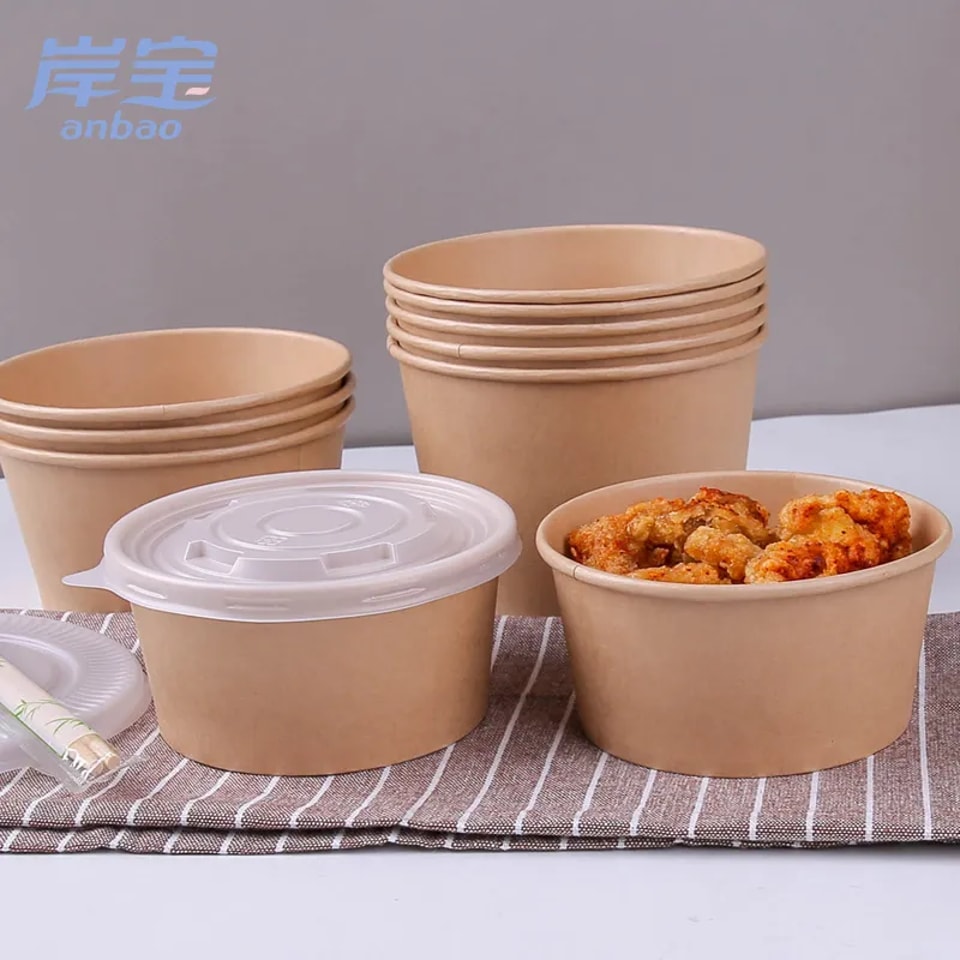
What type of food container works best for your menu? Do you need a lid to protect food during storage and delivery, or is an open container enough for immediate serving? How should you choose the right size, material, and closure for different foods?
The answers depend on the food itself, how long it needs to be stored, and whether the container will be used for preparation, takeaway, or delivery.
Common Uses of Food Storage Containers with Lids
Storage containers with lids for food serve several purposes in commercial foodservice. They help cover food, organize portions, and support handling between preparation and serving.
Common applications include:
-Food preparation: Portion ingredients or prepared meals before service.
-Short-term storage: Cover food between preparation and consumption, subject to the container's intended use.
-Takeout and delivery: Keep food covered during transport and reduce exposure to the surrounding environment.
-Food display and takeaway sales: Present ready-to-serve meals, salads, fruit, and snacks.
The right container depends on the food, storage conditions, and handling process. A disposable paper container designed for takeaway should not automatically be treated as suitable for long-term storage, refrigeration, or reheating. Check the product's specified use before selecting it.
Food Containers with Lids vs. Containers Without Lids
A lid is useful when food needs to be covered during handling or transport, but it is not necessary for every serving situation.
Containers with lids are often better for takeaway orders, prepared portions, and foods that need protection while being moved or stored temporarily. A compatible lid can also make stacking and packing easier.
Containers without lids can work well for immediate serving, counter service, or food that will be transferred to another container before storage. They may also simplify access during busy food preparation.
However, a lid does not guarantee an airtight or leakproof seal. Its performance depends on the closure design, container rim, food level, and handling conditions.
For takeaway orders, test the container and lid together. If the food contains liquid or dressing, check the fit after filling and closing the container rather than assessing the empty packaging alone.
Choosing Food Storage Containers for Different Foods
Different foods place different demands on packaging. Consider the ingredients and serving conditions before choosing a container.
Salads and Fresh Produce
Salads and cut fruit need enough room for ingredients without excessive compression. Water from washed vegetables, fruit juice, and dressing can also affect the packaging during storage and delivery.
Round paper bowls can suit salads, fruit portions, and mixed meals. For takeaway salads, allow space for toppings and check how the lid fits when the container is filled.
Hot Meals and Saucy Foods
Rice dishes, noodles, and prepared meals may need deeper containers or structured shapes that accommodate the portion without making packing difficult.
For saucy foods, consider moisture exposure, serving temperature, holding time, and closure performance. Test the intended food in the selected container under realistic conditions, especially when orders will be transported.
Fried Foods and Dry Snacks
Fried foods can release steam after packing. A tightly closed container may trap moisture and affect crispness, so the packaging approach should reflect the food's expected holding time and serving requirements.
Dry snacks generally have different moisture and leakage risks from soups or sauced meals. Choose a practical size and closure based on whether the food will be stored, displayed, or carried away.
Food Container Materials, Sizes, and Lid Compatibility
Material, capacity, shape, and lid fit work together. Choosing a container based on just one factor can lead to poor fit or unnecessary packaging costs.
Material: Paper-based containers are used for many takeaway meals, salads, snacks, and prepared foods. Their suitability for oily, wet, or hot foods depends on the specific construction and coating. Confirm the intended application and food-contact requirements.
Capacity and shape: Choose a size based on the actual serving rather than nominal volume alone. Anbao's product range includes round paper bowls, rectangular and square bowls, and paper food containers for applications such as rice, noodles, salads, soups, and prepared meals. Browse the
paper bowls and food containers range to compare available formats.
Lid compatibility: The lid must match the container's dimensions and rim. Check that it closes consistently and remains secure during normal handling. For liquid-rich foods, include tilting, carrying, and delivery simulation in sample testing.
Bulk Purchasing Considerations for Food Storage Containers with Lids
For foodservice businesses, the most useful purchasing decisions start with the menu and daily workflow—not just the unit price.
Before placing a bulk order, clarify a few practical details.
-Test real portions: Fill sample containers with the actual food, using normal portion sizes and temperatures. Check closure, handling, and appearance after the expected holding time.
-Confirm the complete specification: Record container dimensions, capacity, material, coating where applicable, and the matching lid. This helps prevent mismatches during repeat orders.
-Compare the total operating cost: Consider the cost of lids, storage space, packing speed, and losses caused by leakage or damaged packaging, not just the price per container.
-Approve samples before customization: For printed packaging or special dimensions, validate the container's function before finalizing artwork and production specifications.
-Plan replenishment around actual demand: Share expected order quantities, destination, and delivery schedule when requesting a quotation. This helps align packaging specifications with inventory and service needs.
A clear specification also makes supplier discussions more productive. Anbao supports customization of logos, patterns, colors, and sizes for its food packaging products. Buyers can review the
paper food container selection guide for more details on matching packaging to food type, portion size, moisture, and delivery conditions.
Conclusion
The best storage containers with lids for food depend on what you serve and how the food will be handled. Covered containers can help with storage, portioning, and delivery, while containers without lids may be sufficient for immediate serving.
Before ordering, consider food characteristics, material suitability, capacity, and lid compatibility. If you’re sourcing food containers for your business,
contact Anbao to discuss your packaging needs, customization options, and bulk order requirements. We can help you explore suitable paper food container options for your menu and serving needs.