Home  >  News  >  Company News

News

How to Choose Compostable Paper Boxes for Restaurants

11/2, 2026

How to Choose Compostable Paper Boxes for Restaurants

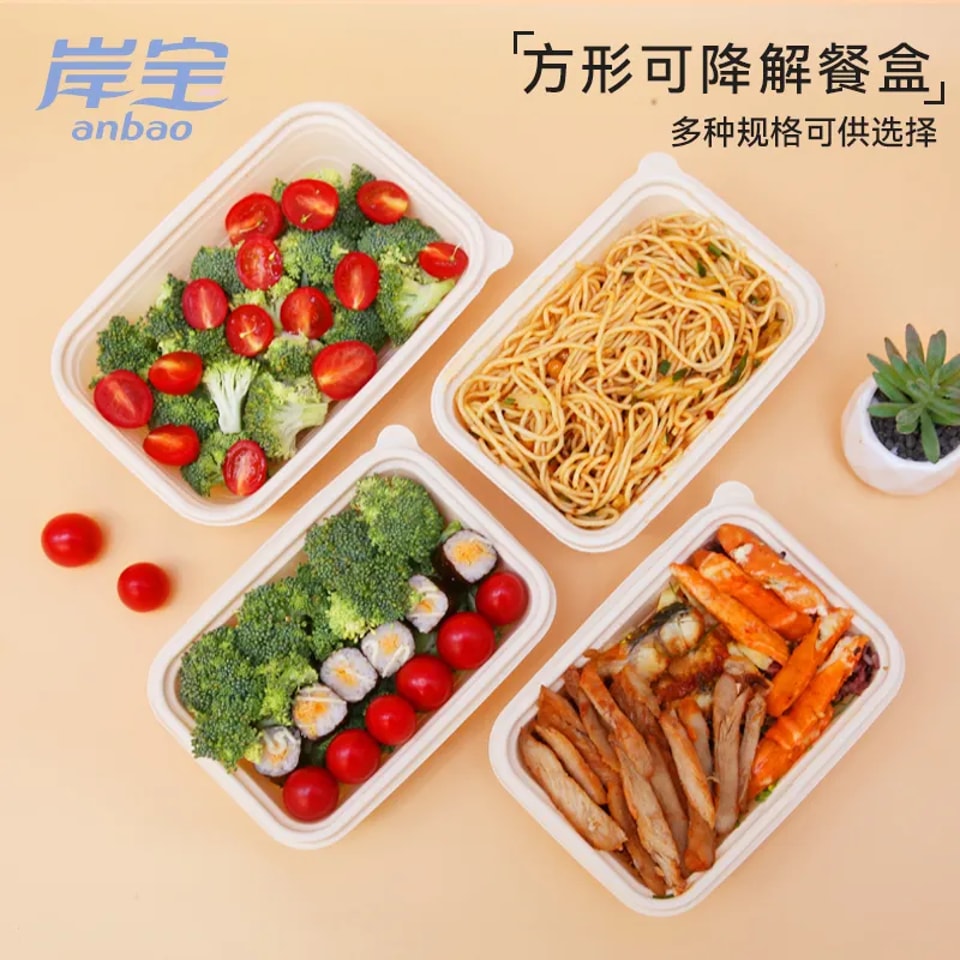
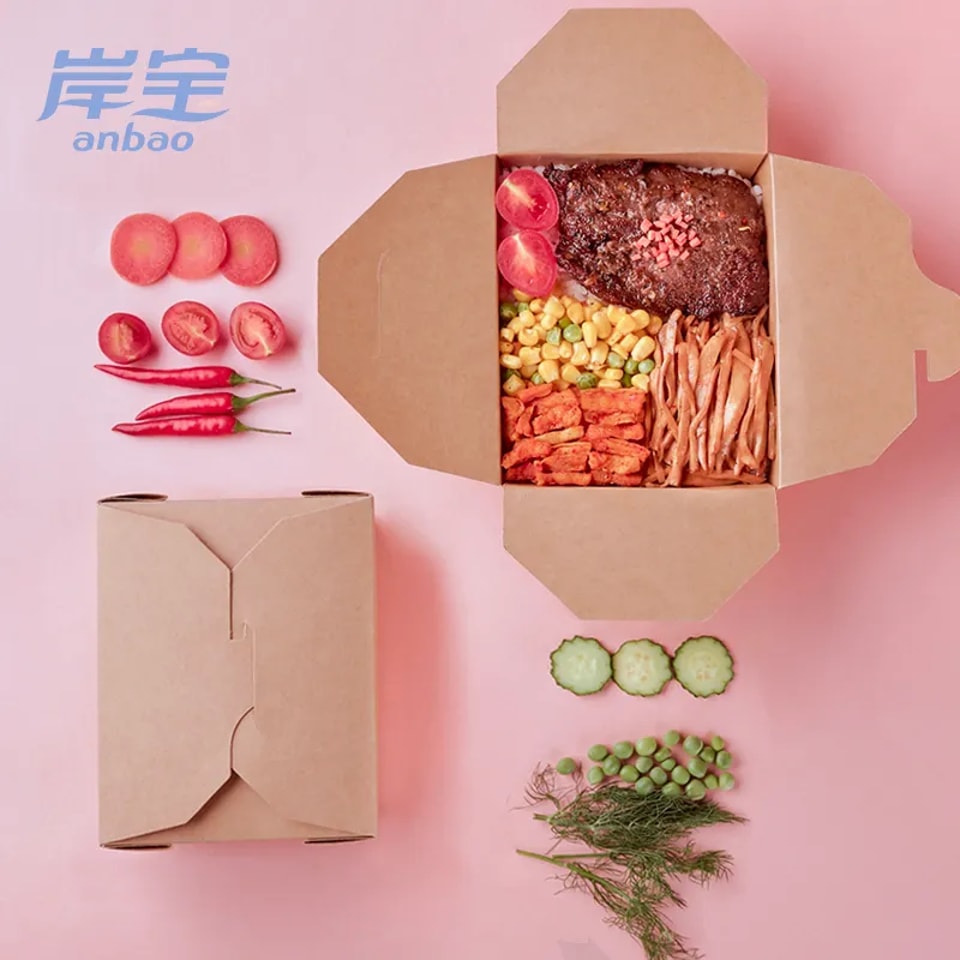
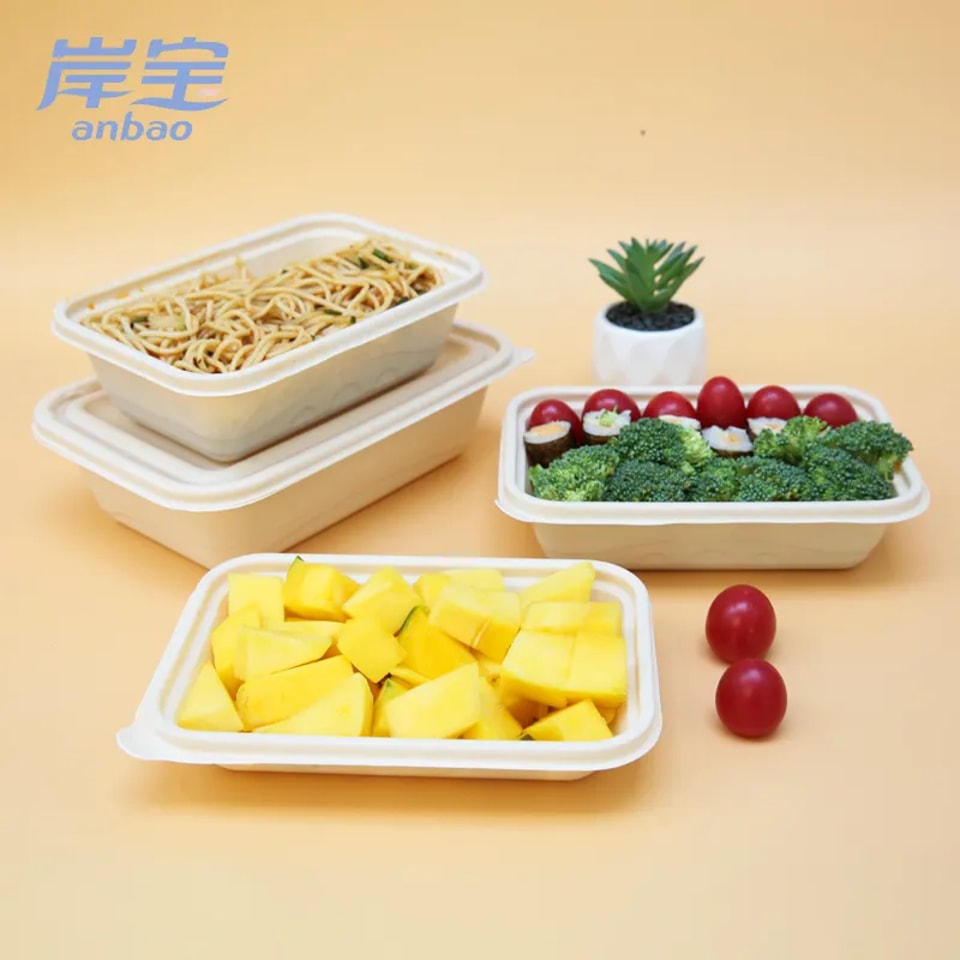
How can restaurants choose compostable paper boxes that protect food during takeaway and delivery while supporting their sustainability goals? The right packaging needs to match the menu, withstand different food conditions, and remain practical for daily restaurant operations. Key Features of Compostable Paper Food Boxes Compostable paper food boxes offer restaurants a paper-based packaging option that can support sustainability goals while meeting everyday foodservice needs. Their suitability depends on the materials, protective coatings, and compostability standards of each product. -Paper-Based Materials: Paper containers provide a practical option for serving takeaway meals, sides, and other restaurant foods. Depending on the design, they can be available in different shapes, sizes, and compartment configurations. -Grease and Moisture Resistance: Suitable coatings help paper boxes handle oily foods and moisture. This is particularly important for restaurants serving fried food, rice dishes, and meals with sauces. -Compostability Requirements: Products certified for composting can support waste-management goals where suitable facilities are available. Restaurants should check whether a container is designed for industrial or home composting and whether local facilities accept it. Compostable Paper Boxes for Different Restaurant Foods Burgers, Sandwiches, and Fried Foods Burgers, sandwiches, fries, and other fried foods need packaging that resists grease and retains its shape during handling. A suitable box should be easy for staff to fill and close, while providing enough space to prevent food from being crushed. Ventilation can also be important for hot, crispy foods. If steam becomes trapped inside the container, fried items may lose their texture. Restaurants should therefore consider both grease resistance and airflow when testing packaging for these menu items. Rice Meals, Pasta, and Saucy Dishes Rice bowls, pasta, curries, and combination meals often require greater capacity and reliable protection against moisture and spills. Secure lids help contain food during transport, while compartments can keep separate ingredients from mixing. Salads, Sides, and Cold Takeout Foods Salads, fruit, and side dishes need packaging that keeps portions organized and presents food clearly. Wide openings can make filling and access easier, while well-fitting lids help protect contents during takeaway and delivery. For meals with multiple components, restaurants may consider containers with separate compartments. Anbao's degradable food containers provide additional options for takeaway packaging. Before ordering, confirm the selected product's material, intended use, and applicable compostability claims. Custom Compostable Paper Boxes for Restaurant Operations Restaurant packaging should fit both the menu and the workflow behind each order. Appropriate sizing and design can make food preparation, packing, storage, and transportation more efficient. Box Sizes, Shapes, and Compartments Start with portion size and the amount of space each meal needs. Containers that are too small can damage food presentation, while oversized boxes may take up unnecessary storage space and increase packaging use.Compartments are useful when a meal contains separate ingredients or side dishes. Restaurants should also check whether lids fit securely and whether filled containers remain stable when stacked for delivery. Custom Printing for Restaurant Brands Custom printing allows restaurants to display their logos, brand colors, and other visual elements on takeaway packaging. Consistent packaging can help customers recognize the brand across dine-in takeaway, delivery, and catering orders. Reliable Suppliers of Compostable Paper Boxes for Restaurants A reliable supplier should offer consistent product quality, clear documentation, and dependable delivery. Before placing a bulk order, restaurants should request samples and test grease resistance, structural strength, lid fit, and performance with their actual menu items. Relevant food-contact documents and compostability certifications should also be verified for the specific product. For ongoing supply, confirm the minimum order quantity (MOQ), sample availability, customization options, and production lead times in advance. Restaurant chains and foodservice distributors should also consider whether the supplier can maintain consistent specifications across repeat orders and meet changing demand without disrupting daily operations. Conclusion Choosing compostable paper boxes for restaurants means balancing menu requirements, packaging performance, verified compostability, and reliable supply. By testing samples, confirming certifications, and planning custom specifications before bulk ordering, restaurants can make more informed purchasing decisions. For product options and tailored requirements, contact Anbao to discuss suitable food packaging solutions.
12oz Single Wall Kraft Paper Cup Manufacturer | Anbao

11/2, 2026

12oz Single Wall Kraft Paper Cup Manufacturer | Anbao

Choosing a 12oz single wall kraft paper cup manufacturer involves more than comparing prices. For cafés, beverage brands, and packaging distributors, consistent product quality, suitable materials, custom printing, and reliable delivery all matter when sourcing cups in bulk. Since 1996, Anbao has specialized in manufacturing food packaging containers, providing customized paper cup solutions for customers worldwide. Here are four key factors to consider before choosing a supplier. 1. Check 12oz Kraft Paper Cup Specifications and Samples A 12oz capacity label does not tell you everything about a cup. Before ordering, confirm its dimensions, paper grammage, coating, and suitability for your intended beverages. Request samples to evaluate leakage resistance, cup rigidity, odor, and seam quality under actual serving conditions. If you plan to use lids, check their compatibility to ensure a secure fit. For hot drinks, also consider whether a sleeve is necessary for comfortable handling. 2. Evaluate Custom Printing and Order Flexibility For cafés and beverage brands, printed paper cups are an important part of brand presentation. Check whether the manufacturer supports your logo, artwork, color requirements, and packaging preferences. Anbao offers flexographic printing with up to seven colors. Since kraft paper can affect the appearance of printed colors, reviewing a pre-production sample or color proof is recommended. Explore our custom logo paper cup solutions to discuss your branding requirements. Before confirming an order, clarify the minimum order quantity (MOQ), sample and printing costs, production lead time, packaging details, and shipping terms. 3. Verify Paper Cup Quality Controls and Certifications Consistent quality is essential for bulk paper cup orders. Ask how the manufacturer controls cup forming, bonding, leakage, dimensions, printing quality, and lid compatibility. Anbao holds ISO 9001, BRCGS Packaging Materials, HACCP, and FSSC 22000 certifications. We also implement quality checks covering printing, cup dimensions, adhesion, leakage, capacity, and rigidity. If environmental compliance matters in your target market, confirm the exact paper material and coating. Anbao holds FSC chain-of-custody certification and has specific certifications for certain PLA and water-based coating applications. Remember that a kraft paper appearance alone does not mean a cup is plastic-free, recyclable, or compostable. Always request relevant food-contact and environmental documentation for your intended application. 4. Compare Manufacturing Capacity and Bulk Supply A reliable manufacturer should be able to support your order volume and delivery schedule as your business grows. Anbao operates six production bases across China, Thailand, and the United States, with an annual production capacity of approximately 3.9 billion paper cups, bowls, and food containers. When comparing 12oz kraft paper cup suppliers, evaluate quotations based on the same material specifications, printing requirements, order quantities, and shipping terms. Also confirm sample approval procedures, production updates, and how order changes are handled. Find Your 12oz Kraft Paper Cup Supplier at Anbao Choosing the right 12oz single wall kraft paper cup manufacturer means finding a supplier that can deliver consistent quality, flexible customization, and dependable bulk production. Contact Anbao with your cup specifications, estimated order quantity, destination market, and printing requirements. Our team can help you explore suitable paper cup solutions for your business.
Storage Containers with Lids for Food: Uses and Selection

10/30, 2026

Storage Containers with Lids for Food: Uses and Selection

What type of food container works best for your menu? Do you need a lid to protect food during storage and delivery, or is an open container enough for immediate serving? How should you choose the right size, material, and closure for different foods? The answers depend on the food itself, how long it needs to be stored, and whether the container will be used for preparation, takeaway, or delivery. Common Uses of Food Storage Containers with Lids Storage containers with lids for food serve several purposes in commercial foodservice. They help cover food, organize portions, and support handling between preparation and serving. Common applications include: -Food preparation: Portion ingredients or prepared meals before service.-Short-term storage: Cover food between preparation and consumption, subject to the container's intended use.-Takeout and delivery: Keep food covered during transport and reduce exposure to the surrounding environment.-Food display and takeaway sales: Present ready-to-serve meals, salads, fruit, and snacks. The right container depends on the food, storage conditions, and handling process. A disposable paper container designed for takeaway should not automatically be treated as suitable for long-term storage, refrigeration, or reheating. Check the product's specified use before selecting it. Food Containers with Lids vs. Containers Without Lids A lid is useful when food needs to be covered during handling or transport, but it is not necessary for every serving situation. Containers with lids are often better for takeaway orders, prepared portions, and foods that need protection while being moved or stored temporarily. A compatible lid can also make stacking and packing easier. Containers without lids can work well for immediate serving, counter service, or food that will be transferred to another container before storage. They may also simplify access during busy food preparation. However, a lid does not guarantee an airtight or leakproof seal. Its performance depends on the closure design, container rim, food level, and handling conditions. For takeaway orders, test the container and lid together. If the food contains liquid or dressing, check the fit after filling and closing the container rather than assessing the empty packaging alone. Choosing Food Storage Containers for Different Foods Different foods place different demands on packaging. Consider the ingredients and serving conditions before choosing a container. Salads and Fresh Produce Salads and cut fruit need enough room for ingredients without excessive compression. Water from washed vegetables, fruit juice, and dressing can also affect the packaging during storage and delivery. Round paper bowls can suit salads, fruit portions, and mixed meals. For takeaway salads, allow space for toppings and check how the lid fits when the container is filled. Our guide to disposable thickened kraft paper salad bowls explains why dressing, fill level, stacking pressure, and lid compatibility should be tested together. Hot Meals and Saucy Foods Rice dishes, noodles, and prepared meals may need deeper containers or structured shapes that accommodate the portion without making packing difficult. For saucy foods, consider moisture exposure, serving temperature, holding time, and closure performance. Test the intended food in the selected container under realistic conditions, especially when orders will be transported. Fried Foods and Dry Snacks Fried foods can release steam after packing. A tightly closed container may trap moisture and affect crispness, so the packaging approach should reflect the food's expected holding time and serving requirements. Dry snacks generally have different moisture and leakage risks from soups or sauced meals. Choose a practical size and closure based on whether the food will be stored, displayed, or carried away. Food Container Materials, Sizes, and Lid Compatibility Material, capacity, shape, and lid fit work together. Choosing a container based on just one factor can lead to poor fit or unnecessary packaging costs. Material: Paper-based containers are used for many takeaway meals, salads, snacks, and prepared foods. Their suitability for oily, wet, or hot foods depends on the specific construction and coating. Confirm the intended application and food-contact requirements. Capacity and shape: Choose a size based on the actual serving rather than nominal volume alone. Anbao's product range includes round paper bowls, rectangular and square bowls, and paper food containers for applications such as rice, noodles, salads, soups, and prepared meals. Browse the paper bowls and food containers range to compare available formats. Lid compatibility: The lid must match the container's dimensions and rim. Check that it closes consistently and remains secure during normal handling. For liquid-rich foods, include tilting, carrying, and delivery simulation in sample testing. Bulk Purchasing Considerations for Food Storage Containers with Lids For foodservice businesses, the most useful purchasing decisions start with the menu and daily workflow—not just the unit price. Before placing a bulk order, clarify a few practical details. -Test real portions: Fill sample containers with the actual food, using normal portion sizes and temperatures. Check closure, handling, and appearance after the expected holding time.-Confirm the complete specification: Record container dimensions, capacity, material, coating where applicable, and the matching lid. This helps prevent mismatches during repeat orders.-Compare the total operating cost: Consider the cost of lids, storage space, packing speed, and losses caused by leakage or damaged packaging, not just the price per container.-Approve samples before customization: For printed packaging or special dimensions, validate the container's function before finalizing artwork and production specifications.-Plan replenishment around actual demand: Share expected order quantities, destination, and delivery schedule when requesting a quotation. This helps align packaging specifications with inventory and service needs. A clear specification also makes supplier discussions more productive. Anbao supports customization of logos, patterns, colors, and sizes for its food packaging products. Buyers can review the paper food container selection guide for more details on matching packaging to food type, portion size, moisture, and delivery conditions. Conclusion The best storage containers with lids for food depend on what you serve and how the food will be handled. Covered containers can help with storage, portioning, and delivery, while containers without lids may be sufficient for immediate serving. Before ordering, consider food characteristics, material suitability, capacity, and lid compatibility. If you’re sourcing food containers for your business, contact Anbao to discuss your packaging needs, customization options, and bulk order requirements. We can help you explore suitable paper food container options for your menu and serving needs.
Disposable Thickened Kraft Paper Salad Bowl Manufacturer for Fresh Salad Takeout

10/30, 2026

Disposable Thickened Kraft Paper Salad Bowl Manufacturer for Fresh Salad Takeout

What kind of bowl can hold fresh leafy greens, juicy vegetables, protein toppings, and salad dressing without becoming soggy or losing its shape? How can foodservice businesses keep salads looking fresh during takeaway delivery while choosing practical sizes, reliable materials, and cost-effective packaging for bulk orders? Why Do Salads Need a Special Takeout Bowl? Salads contain ingredients with different textures and moisture levels. Leafy greens need room to stay presentable, cut vegetables and fruit can release liquid, and dressings introduce additional oil and moisture. Packaging must accommodate these differences without crushing the food or compromising the customer experience. A disposable thickened kraft paper salad bowl can offer the structural support needed for takeaway service, provided its construction matches the intended application. -Room for fresh ingredients: A suitable opening makes it easier to arrange greens, grains, vegetables, and toppings without excessive compression.-Structural stability: A rigid bowl helps support the portion during filling, stacking, and transportation.-Presentable serving: The right shape and capacity help keep ingredients organized and make the salad easier to carry and eat. For restaurants, salad chains, and foodservice distributors, the goal is to match the packaging to the actual menu rather than choose a bowl based on appearance alone. Can Thickened Kraft Paper Salad Bowls Handle Dressing and Moisture? Moisture resistance is one of the most important considerations when packaging fresh salads. Water from washed vegetables, juice from fruit, and oil-based or creamy dressings can affect the bowl during storage and delivery. Buyers should check three aspects before approving a product. -Coating performance: Confirm that the inner coating is suitable for the intended ingredients and expected holding time. Paper bowls do not all offer the same resistance to oil and moisture.-Bowl construction: Review the base, sidewalls, rim, and bonded seams for consistent construction and dimensional stability.-Lid compatibility: A secure fit helps reduce spills when the bowl is carried, stacked, or placed inside a delivery bag. Testing should use the actual salad, dressing, fill level, and intended lid. Check for leakage, deformation, and closure movement under realistic handling conditions. For more details on common causes of leakage and practical testing, read our related guide to disposable thickened kraft paper salad bowls. What Makes a Salad Bowl Easy to Pack, Carry, and Serve? A salad bowl needs to work for both kitchen staff and customers. Its shape, opening, depth, and rigidity affect how easily food can be packed and how well the portion holds up during transportation. A wider opening can make it easier to arrange leafy greens and toppings, while sufficient depth helps accommodate larger portions. The bowl should also leave enough space for the lid to close without pressing directly against the food. For busy takeaway operations, consider the following: -Packing efficiency: Choose a shape that fits the preparation workflow and available storage space.-Stacking stability: Check whether filled bowls remain stable when several orders are packed together.-Convenient serving: Ensure the opening provides enough room for customers to access the ingredients comfortably.-Delivery performance: Test the complete bowl-and-lid combination during carrying, tilting, and normal delivery handling. The best design is one that protects the food while fitting the restaurant's everyday packing and delivery process. How Do You Choose the Right Salad Bowl Size? Bowl capacity should reflect the actual serving portion, not simply the largest available size. A side salad needs less space than a meal-sized salad containing grains, chicken, eggs, or other protein toppings. -Side salads and fruit portions: Smaller bowls can accommodate lighter servings without unnecessary packaging volume.-Individual lunch salads: Medium-sized bowls provide room for mixed vegetables, proteins, and toppings.-Full meal salads: Larger bowls allow more space for bulky ingredients and help prevent the contents from becoming crowded. Capacity alone is not enough. Buyers should also consider the bowl's opening, depth, usable filling volume, and lid clearance. A bowl that appears large on paper may not provide enough room for tall toppings or a dressing container. Anbao offers different paper bowls and food containers for foodservice and takeaway applications. Buyers can compare available formats and confirm the appropriate specifications against their portion sizes, menu requirements, and intended use. Can You Customize Kraft Paper Salad Bowls for Your Brand? For restaurant chains, salad brands, and prepared-food retailers, packaging is part of the overall dining experience. Consistent design can make orders recognizable while helping businesses maintain a unified presentation across multiple locations. Customisation may include: -Logo and artwork: Printed branding helps distinguish the product and reinforce brand recognition.-Custom dimensions: Bowl specifications can be matched to different serving portions and menu items.-Coordinated packaging: Matching bowls with suitable lids and other takeaway containers helps maintain a consistent presentation.-Material selection: Buyers can assess suitable paper and coating options based on food-contact requirements, performance, and environmental goals. Food safety and environmental claims should be verified for the specific product. Kraft paper alone does not establish that a bowl is recyclable, compostable, or biodegradable. Buyers should confirm applicable documentation and destination-market requirements before ordering. Anbao provides customised food packaging solutions, including options for logo printing, patterns, colours, and sizes. Final specifications and available customisation should be confirmed during product consultation and sample approval. How to Choose a Reliable Kraft Paper Salad Bowl Manufacturer For bulk buyers, a suitable manufacturer should help establish clear specifications, consistent quality expectations, and practical delivery arrangements. Comparing quotations is more useful when each supplier is quoting for the same product requirements. Before placing an order, confirm these details: 1.Product specifications: Bowl dimensions, capacity, material construction, coating, and compatible lid.2.Sample approval: Test the bowl with the actual salad, dressing, portion size, and delivery conditions.3.Custom printing: Approve the artwork, colours, and final printed sample before mass production.4.Quality consistency: Agree on inspection criteria and the process for managing production variations.5.Commercial terms: Confirm minimum order quantity, lead time, packaging configuration, payment terms, and shipping arrangements. Anbao has manufactured paper food packaging since 1996 and supplies paper cups, bowls, and food containers for foodservice and other business customers. Its manufacturing and product development capabilities support customised packaging requirements, while order planning helps align production with customer specifications. For salad brands and distributors, the next step is to define the intended salad types, portion sizes, dressing requirements, preferred design, and estimated order quantity. These details make it easier to assess product suitability, arrange samples, and request a quotation for bulk supply.
How to Choose Disposable Thickened Kraft Paper Bowls

10/30, 2026

How to Choose Disposable Thickened Kraft Paper Bowls

Choosing disposable thickened kraft paper bowls involves more than comparing thickness or unit prices. For restaurant chains, takeaway brands, and packaging distributors, the priority is finding containers that suit their food, maintain their structure during handling, and deliver consistent quality across repeat orders. A bowl that looks sturdy but leaks, deforms, or does not fit its lid can create unnecessary costs. Buyers should evaluate material properties, packaging structure, food compatibility, quality control, and supply reliability before placing bulk orders. Disposable Thickened Kraft Paper Bowls Need More Than Thickness Paper thickness, basis weight, and finished-bowl stiffness are different properties. A thicker-looking bowl is not automatically stronger, because its performance also depends on forming quality, base construction, and bonded seams. Check the Structure Inspect the rim, base, and seams for consistent forming and secure bonding. These areas influence stability during filling, stacking, and transportation. Buyers should test representative samples with their intended food rather than relying on appearance alone. At Anbao, our paper bowl solutions feature high-stiffness structures for stacking and takeaway packaging, with dedicated bonding and leakage checks. Explore our disposable paper bowl and container series to assess suitable formats for your application. Thickened Kraft Paper Bowls Must Match the Food Different foods place different demands on disposable packaging. Hot meals require suitable structural support, while soups, sauces, and greasy dishes need appropriate barrier performance and reliable seams. Test Real Food Applications For rice, noodles, and other substantial meals, evaluate bowl stability under realistic filling and handling conditions. For soups and oily foods, check leakage resistance, coating suitability, and seam integrity. Use the intended portion size and test the complete packaging setup, including the lid. Consider holding time, stacking, carrying, and simulated delivery. These checks help identify problems before mass production. Disposable Kraft Paper Bowls Require the Right Size, Coating and Lid Capacity alone does not determine whether a bowl fits a menu. Rim diameter, height, usable filling space, and lid compatibility also affect packing efficiency and customer experience. Confirm Specifications and Materials Test samples with actual menu items to confirm portion fit and closure performance. Ask the supplier to identify the coating used and provide relevant food-contact documentation for the intended market. Anbao offers paper bowl options using PLA and water-based coatings. Selected materials and coating systems have relevant compostability certifications, but buyers should confirm that the specific product and construction fall within the certification's scope before making environmental claims. Disposable Thickened Kraft Paper Bowls Need Consistent Quality Control Sample approval is only the first step. Repeat orders also require clear specifications and production checks to maintain consistency in dimensions, appearance, bonding, and finished-container performance. Check Quality and Compliance Before ordering, confirm capacity, dimensions, printing requirements, forming quality, and packaging configuration. Agree on acceptance criteria so that the approved sample provides a clear reference for subsequent production. Our quality management practices include first-piece inspection, employee self-inspection, routine quality patrols, and checks of critical production processes. Anbao also holds management and supply-chain credentials including ISO 9001, ISO 14001, HACCP, BRCGS Packaging Materials, FSSC 22000, FSC Chain of Custody, and PEFC Chain of Custody. Each certification has a specific scope and should be checked against the buyer's requirements. Disposable Thickened Kraft Paper Bowl Suppliers Must Support Reliable Delivery A supplier's value extends beyond the unit price. Production planning, quality controls, customization, and replenishment schedules all influence the total cost of a packaging program. Evaluate Production and Supply Capacity Ask how the supplier manages material sourcing, production inspections, quality deviations, and delivery schedules. Anbao began digital factory development for paper containers with Siemens in 2018 and has also applied automated production and just-in-time practices to paper bowl supply programs. Our long-term cooperation with Master Kong provides a documented example of supply-chain experience. From 2004 to 2021, Anbao supported its paper bowl program in Southwest China, with reported daily deliveries of three million bowls across Chengdu, Chongqing, and Kunming. The project record also reports a customer-use defect rate of 0.1 PPM during the cooperation period. These figures relate to that specific program and should not be interpreted as a guaranteed result for every product.More details are available in our paper packaging project experience. Compare Total Purchasing Cost Compare more than the quoted unit price. Freight, packaging configuration, minimum order quantities, product loss, storage, and replenishment lead times can all affect purchasing costs. For customized orders, confirm dimensions, coating requirements, lid format, printing artwork, sample approval, and estimated order volume before production. Clear specifications help reduce misunderstandings between purchasing teams and manufacturers. Custom Disposable Kraft Paper Bowls Should Fit Your Operation Standard containers may suit businesses with straightforward requirements, while custom specifications can help brands match packaging to their portions, menus, and service processes. Define Your Requirements Before Ordering Prepare a specification covering food type, portion size, bowl dimensions, coating, lid, printing, destination market, and estimated volume. Test samples and verify relevant documents before approving a bulk order. Anbao has focused on paper food packaging manufacturing, research, development, and sales since 1996. Our capabilities include customizing bowl capacity, diameter, and height, as well as supplying compatible paper or plastic lids. Visit Anbao's official website to learn more about our packaging capabilities. Choose Disposable Thickened Kraft Paper Bowls Based on Performance The right disposable thickened kraft paper bowls should match the food, perform reliably during handling, meet applicable requirements, and remain consistent across repeat orders. Thickness is only one part of that decision. For restaurant chains, takeaway brands, and packaging distributors, the practical next step is to define the application, test representative samples, confirm product-specific compliance documents, and agree on quality and delivery requirements before ordering in bulk. This approach helps align packaging performance with operational needs and long-term purchasing plans.
Ripple Wall Paper Coffee Cup Supplier: 5 Buyer Checks

10/30, 2026

Ripple Wall Paper Coffee Cup Supplier: 5 Buyer Checks

A ripple wall paper coffee cup supplier should offer more than an attractive cup design. For coffee shops, beverage chains, and packaging distributors, the key is finding cups that perform well with hot drinks, fit the intended lids, support brand presentation, and remain consistent across bulk orders. Insulation Is Only One Part of a Good Ripple Cup Ripple wall paper cups feature a textured outer layer that creates a distinctive feel and can help improve grip when customers hold hot drinks. However, the ripple pattern alone does not guarantee suitable thermal performance. Ripple Wall Structure and Heat Protection When evaluating samples, consider how the cup feels after being filled with hot coffee or tea. Check whether customers can hold it comfortably and whether the cup maintains its shape during normal use. Also assess the intended serving temperature, fill volume, and holding time. These factors help determine whether a particular cup specification suits your beverage service. Cup Strength, Rim, and Base Quality The cup body should remain stable during filling, serving, and carrying. Inspect the rim for a consistent shape and the base for signs of leakage or deformation during testing. For wholesale buyers, consistent dimensions and construction matter as much as the performance of a single sample. A good sample should become the reference standard for subsequent production batches. Cup and Lid Compatibility Can Make or Break Daily Service A paper cup and its lid should be evaluated as a complete system. Even when the stated capacity is correct, differences in rim diameter or cup dimensions can affect lid fit. Before ordering, check: -Rim diameter: Confirm that the lid matches the actual cup opening.-Lid fit: Check whether the lid attaches securely and stays in place during normal handling.-Leak resistance: Test the assembled cup with the intended beverage and lid.-Service efficiency: Make sure staff can fill, close, stack, and hand over cups without unnecessary difficulty. For takeaway and delivery orders, test the filled cup under realistic handling conditions. Do not assume that a lid compatible with one cup size will fit every cup in the same product range. Ripple Texture Changes How Your Brand Appears The textured exterior gives ripple wall cups a different look and feel from smooth paper cups. This can suit coffee shops that want a recognizable takeaway format, but it also affects how printed artwork appears on the finished product. Logo Placement and Print Quality Keep logos and essential brand elements clear at the intended viewing distance. Before approving custom printing, review the artwork layout, colors, seam position, and the appearance of the design on the formed cup. Request a physical sample or production proof where appropriate. Artwork that looks correct on a flat design may appear different once wrapped around a curved, textured surface. Match Cup Design to Your Brand Consider whether white or kraft-style paper, custom colors, and logo placement fit your brand identity. For chains and distributors, consistent artwork across cup sizes can also simplify product management. Anbao supports OEM customization, including logo printing, patterns, and custom colors for its paper cup range. Buyers can explore the paper cup product range when comparing available formats and customization options. The Right Cup Specification Depends on Your Coffee Menu Cup capacity should match the drinks you serve, but volume alone is not enough to define a suitable specification. Cup height, top diameter, base diameter, and lid compatibility also affect storage, presentation, and daily operations. Choose Capacities for Different Drinks Espresso-based drinks, regular takeaway coffees, and larger beverages may require different cup sizes. Review the actual serving volume and allow for the space needed for milk, foam, or other additions. Anbao's ripple wall cup range includes 4oz, 8oz, 10oz, 12oz, 16oz, and 20oz options. The 12oz model has a stated capacity of 420ml, while the 16oz model holds 497ml. Confirm the specifications of the selected model before placing an order. Check the Complete Packaging Setup Consider how cups will be stored, stacked, packed, and transported. If you purchase several sizes, check whether the selected lids and outer packaging can be managed efficiently across your product range. Ripple wall and double wall cups also have different outer structures and appearances. Our guide to double wall vs. ripple wall paper coffee cups explains the key differences to consider when choosing a hot-drink cup format. A Sample Approval Should Set the Standard for Every Reorder A sample is useful only when it represents the specifications required for bulk production. Before approving an order, document the agreed cup dimensions, capacity, materials, coating, printing, and compatible lid. For customized orders, also confirm the final artwork, packaging quantity, and any applicable food-contact or market-specific documentation. Compostability or environmental claims should be verified for the specific finished product rather than assumed from the paper material alone. MOQ, production lead time, and order volume should be confirmed before finalizing the purchase. For repeat orders, compare production samples against the approved reference to help maintain consistent quality and brand presentation. Conclusion Choosing a ripple wall paper coffee cup supplier means looking beyond the textured exterior. Evaluate thermal performance, cup and lid compatibility, specifications, print quality, and consistency across repeat orders. A clearly defined product specification helps suppliers quote accurately and reduces avoidable problems during bulk purchasing. For customized cup requirements, contact Anbao to discuss your preferred capacity, design, and intended application.
Buying Coffee Cups with Lids in Bulk Without Extra Costs

10/26, 2026

Buying Coffee Cups with Lids in Bulk Without Extra Costs

Buying coffee cups with lids in bulk can lower purchasing costs, but a low unit price doesn’t always mean better value. Poor lid fit, inconsistent quality, excess inventory, or late delivery can add costs quickly. To avoid these extra costs, confirm cup and lid compatibility, test samples, and compare the total landed cost before placing an order. Confirm Coffee Cup and Lid Compatibility Start with the sizes your menu and customers actually need. Confirm cup capacity, rim diameter, height, and construction. Cup capacity alone doesn’t guarantee that a lid will fit. Request matched cup-and-lid samples. Test lid fit, leak resistance, and handling with the intended beverage and serving conditions. Approve the specifications in writing before production. Choose the Right Paper Coffee Cup Construction Single-wall, double-wall, and ripple-wall paper cups offer different levels of insulation and handling comfort. Choose based on the beverage, service style, and budget.For bulk orders, also consider how the cup construction affects storage, packaging, and the overall cost per set. Compare the Total Cost of Coffee Cups with Lids, Not Just the Unit Price Compare the complete cup-and-lid set, including printing, packaging, freight, and applicable destination charges. Ask for an itemized quotation and check whether MOQs apply separately to each cup size, lid type, and printed design. Larger orders may reduce the unit price but increase storage costs and the risk of excess inventory. For international orders, compare the landed cost per usable set, including freight, customs duties, and other applicable charges. Check Quality and Food-Contact Documentation Test samples for lid security, leakage, cup stiffness, deformation, and print quality. Agree on acceptance criteria before mass production. For printed cups, approve the final artwork and retain a reference sample for repeat orders. Request food-contact compliance documents and test reports, and confirm that they apply to the specific product and manufacturing site. Anbao’s quality checks may cover dimensions, capacity, stiffness, bonding, leakage, appearance, and lid compatibility. Its food safety and quality systems include FSSC 22000, BRCGS, and HACCP-related systems. Ask for current documents and verify their scope. Plan Orders Around Demand and Lead Time Confirm the timelines for sampling, artwork approval, production, inspection, and dispatch. International orders also need time for transit and customs clearance. Track cup and lid inventory by SKU. Set reorder points using actual consumption, supplier lead time, and safety stock. Standardizing popular sizes across locations can also simplify purchasing and storage while reducing the risk of ordering incompatible cups and lids. Compare Coffee Cup Suppliers Before You Commit Compare suppliers on product specifications, quality controls, production capacity, customization, communication, and repeat-order reliability—not quotations alone. Before approving an order, confirm: -Cup and lid specifications and compatibility-Materials and food-contact documentation-Approved samples, artwork, and quality criteria-Unit prices, MOQs, carton quantities, and additional charges-Production lead time, shipping arrangements, and delivery date Buy Coffee Cups with Lids in Bulk with Fewer Surprises The lowest quotation may not deliver the lowest total cost if the cups and lids don’t fit, quality varies, or delivery is late. Confirm specifications, test matched samples, and plan inventory before ordering. Anbao supports customized paper packaging and supply planning for food and beverage businesses. Contact Anbao to discuss cup specifications, order quantities, and delivery requirements.
Are Disposable Paper Food Containers Really Eco-Friendly?

10/26, 2026

Are Disposable Paper Food Containers Really Eco-Friendly?

Paper food packaging can be a practical alternative to conventional plastic, bbut disposable paper food containers are not automatically recyclable or compostable. Their environmental impact depends on the paperboard, barrier coating, product performance, and available waste-management options. For foodservice businesses, the right container needs to protect the food, perform reliably, and meet the requirements of the market where it will be used. What Makes Disposable Paper Food Containers Eco-Friendly? Most disposable paper food containers use a paperboard substrate for structure and may include a coating or lining to provide moisture, grease, or liquid resistance. The complete package matters. Plastic or PLA linings, adhesives, and inks can affect how a container is collected and processed. PLA is a bioplastic, but PLA-coated packaging is not automatically compostable in every setting. Forest-sourcing certifications such as FSC Chain of Custody support traceability for eligible materials. They do not certify a finished container as recyclable or compostable. How to Choose the Right Eco-Friendly Paper Food Containers? Match the container’s barrier properties and construction to the food: -Hot meals need suitable heat and moisture resistance.-Greasy foods need an appropriate grease barrier.-Soups and sauces need reliable leak resistance.-Delivery packaging needs sufficient strength and stacking stability. Before ordering, test samples with the intended food, fill temperature, holding time, and delivery conditions. Check dimensions, capacity, lid fit, and performance after stacking. Compare total procurement cost, including unit price, minimum order quantity, printing, tooling, shipping, and potential losses from packaging failures. Ask suppliers about incoming-material checks, in-process inspections, and finished-product testing. How to Verify Product Claims Ask for product-specific material specifications, food-contact compliance documentation, test reports, and certification documents. Confirm that each document applies to the exact container and its intended use. “Recyclable,” “biodegradable,” and “compostable” describe different properties. Compostable packaging may require industrial composting conditions, and not every facility accepts it. Check the certification scope and local disposal requirements before making a selection. Certifications also have different purposes. ISO 9001 relates to quality management, ISO 14001 to environmental management, and FSC-COC or PEFC-COC to eligible forest-based supply chains. These do not, by themselves, establish the end-of-life properties of a finished container. Anbao’s management and supply-chain certifications include ISO 9001, ISO 14001, FSC-COC, PEFC-COC, BRCGS Packaging Materials, HACCP, and FSSC 22000. Ask us for current documents and confirm their scope for your product. How Anbao Supports Paper Food Packaging Requirements Anbao supplies paper cups, bowls, and meal containers. Material selection depends on the food, required barrier performance, and target-market requirements. Our product range includes paper food containers and compostable food container options. Available formats and material specifications should be confirmed for each application. We support product customization and quality checks that may include dimensions, print quality, bonding, stiffness, leak resistance, and lid fit. Confirm product specifications, samples, acceptance criteria, and delivery schedules before production. The Takeaway Disposable paper food containers can support a more considered packaging strategy when material choice, food-contact compliance, product performance, and disposal options are assessed together. Looking for paper food packaging for your menu? Contact Anbao to discuss your product requirements.
Takeaway Food Containers for Different Types of Food: Materials, Features, and Applications

10/23, 2026

Takeaway Food Containers for Different Types of Food: Materials, Features, and Applications

Takeaway food containers help protect food quality, prevent leaks, maintain presentation, and simplify delivery. Restaurants, food delivery businesses, and distributors should choose packaging according to food type, temperature, moisture, grease, portion size, and transportation conditions. Why Food Type Matters When Choosing Takeaway Containers Different foods require different packaging features. Hot meals need suitable heat resistance and structural strength, soups require leak protection, and fried foods need grease resistance. Testing containers under realistic conditions helps prevent packaging failures. Takeaway Containers for Hot Meals, Rice, and Noodles Paper Containers for Rice Meals Rice meals and combination dishes need containers that support food weight and maintain their shape during stacking and transport. Compartments can keep rice, vegetables, proteins, and sauces separate. At Anbao, our paper bowl and container series offers different shapes and formats for takeaway meals, helping businesses match packaging to portion sizes and serving needs. Containers for Noodles and Saucy Foods Noodles and saucy dishes require suitable moisture resistance and secure closures. Broth-based meals need stronger leak protection, while stir-fried noodles may require grease resistance and sufficient space. Test the assembled container and lid with the intended food under expected holding and transport conditions. Heat Resistance and Structural Strength Paper packaging is not automatically suitable for every temperature or heating method. Confirm whether the specific container supports hot filling, prolonged food contact, or reheating, as these requirements differ. Takeaway Containers for Soups, Curries, and Oily Foods Leak Resistance for Soups Soup and curry containers need suitable barrier performance, reliable seams, and secure lids. Check capacity, temperature suitability, lid fit, and leakage using the complete package. Our soup containers are an option to evaluate for liquid-based food applications. Confirm product specifications against your menu requirements. Grease Resistance for Fried and Oily Foods Oil-rich dishes can stain or weaken unsuitable packaging. Material selection should reflect oil content, temperature, and contact time. Test containers with representative menu items before bulk production. Paper Coatings and Food Safety Coatings help paper packaging resist moisture and grease, but no single option suits every application. Confirm food-contact suitability, temperature limits, and relevant documentation. Environmental performance should also be verified for the finished product. Takeaway Containers for Burgers, Fries, and Fried Chicken Burger Containers for Shape and Presentation Burger containers should accommodate buns, fillings, and sauces without excessive compression. Ventilation may help manage trapped steam, while the folding structure should remain stable during delivery. For branded packaging, approve artwork, colors, dimensions, and container design before production. Packaging for Fries and Fried Chicken Fried foods can lose crispness when moisture accumulates inside the package. Ventilation, grease resistance, structural strength, and delivery time all affect performance. Test typical portions under realistic delivery conditions. Takeaway Containers for Salads and Ready-to-Eat Meals Salad Containers for Freshness Salad containers need enough space to protect fresh ingredients and maintain presentation. Consider container dimensions, opening size, lid compatibility, and whether dressing will be packed separately. Containers for Rice Bowls and Combination Meals Bento meals and grain bowls often combine several ingredients. Compartments help separate food and maintain portion consistency. Standardizing container sizes can also simplify inventory management. For ready-to-eat meals, clarify filling temperature, storage conditions, shelf-life requirements, and reheating instructions before selecting packaging. Sustainable Materials for Takeaway Food Containers Paper-Based, PLA-Coated, and Water-Based Options Paper containers come in different shapes, sizes, and coating configurations. PLA and water-based coatings have different compositions and performance characteristics, so suitability depends on the food application and product design. A paper-based appearance or specific coating does not automatically prove that a container is recyclable, biodegradable, or compostable. For more guidance, read how to choose compostable takeaway food containers. Verify the relevant certification, product scope, and disposal conditions before making environmental claims. How to Verify Environmental Claims Ask suppliers for documents identifying the specific product, applicable standard, and disposal requirements. Food-contact compliance, responsible fiber sourcing, recyclability, and compostability are separate considerations and should be checked independently. Choosing Takeaway Containers for Different Businesses Restaurants and Quick-Service Chains Restaurants need packaging for different menu categories, while chains also require consistent specifications and reliable replenishment. Standardizing sizes, artwork, and quality requirements can reduce variation across locations. Delivery-Only Kitchens Delivery packaging must withstand packing, stacking, vehicle movement, and the time between dispatch and consumption. Test leakage, deformation, closure security, and food presentation after transport. Distributors and Bulk Buyers Consider minimum order quantities, storage capacity, lead times, printing requirements, and quality consistency—not just unit price. Approved specifications and samples help support reliable repeat orders. What to Check Before Ordering Takeaway Food Containers Before purchasing, confirm: -Food type, portion size, temperature, moisture, and grease requirements.-Container dimensions, structure, capacity, and lid fit.-Leakage, rigidity, printing, and other relevant quality checks.-Food-contact documentation and environmental certifications.-MOQ, sample approval, production lead time, and shipping arrangements.-Procedures for approving changes and handling defects. At Anbao, our quality-control approach includes checks for leakage, rigidity, printing, adhesion, and odor. Buyers should confirm that product documentation applies to the specific container and target market. For customized packaging or wholesale inquiries, contact our team. Conclusion: Choose Takeaway Food Containers by Application The right takeaway food containers depend on the food and its journey from preparation to consumption. Hot meals need suitable structural strength, soups require leak protection, fried foods need grease resistance, and salads benefit from designs that protect presentation. At Anbao, we develop paper food packaging solutions in different formats, sizes, and customized designs. Evaluate materials, product performance, compliance, and supply requirements together to build a packaging range that supports reliable daily operations.
5 Biodegradable Paper Bowl Manufacturers in China: Comparison and Recommendations

10/22, 2026

5 Biodegradable Paper Bowl Manufacturers in China: Comparison and Recommendations

Finding the right biodegradable paper bowl manufacturer in China involves more than comparing prices. Foodservice businesses need packaging that meets food-contact requirements, resists leakage, maintains its shape, and supports reliable delivery. Buyers seeking sustainable packaging must also verify environmental claims and product certifications. This guide compares five manufacturers based on their publicly available product information. It is not a definitive ranking; buyers should confirm specifications, certifications, samples, and commercial terms before ordering. What to Consider When Choosing a Biodegradable Paper Bowl Manufacturer Materials and Food Safety Paperboard provides structure, while coatings help resist moisture, oils, and sauces. Material selection should match the food type, serving temperature, holding time, and delivery conditions. Customization and Quality Control Check bowl capacity, dimensions, coating, lid compatibility, and leakage performance. Before mass production, approve the artwork, product specifications, and samples. Suppliers should also explain their quality inspections, minimum order quantities (MOQs), lead times, and procedures for handling defects. 5 Biodegradable Paper Bowl Manufacturers in China 1. Anbao — Multi-Product Paper Food Packaging Anbao has focused on paper food packaging since 1996, offering paper cups, bowls, food containers, and related products. Its broad portfolio may suit distributors and foodservice businesses sourcing multiple packaging categories from one supplier. Company materials describe production bases in China, Thailand, and the United States, with an annual supply capacity of approximately 3.9 billion paper cups, bowls, food containers, and related products. Buyers should confirm current capacity, factory allocation, and delivery availability for their orders. Anbao's published materials also describe cooperation with food businesses, production automation, and digital factory management. Its paper bowl and food container range includes different formats for soups, salads, rice dishes, and takeaway meals. Best fit: Buyers seeking multiple paper packaging categories, customization, and a potential long-term manufacturing partner. 2. Anhui Senang Green Technology — Multi-Material Packaging Anhui Senang Green Technology offers paper cups, bowls, boxes, bags, and molded-fiber or sugarcane-based tableware. Its paper bowl options include different shapes, paper materials, coatings, and compatible lids. This range may benefit buyers comparing different packaging materials through one supplier. However, environmental credentials and performance must be verified for each product. Best fit: Buyers exploring multiple food packaging formats and alternative material or coating options. 3. Wuhan Amity ECO Tech — Custom Paper Bowls Wuhan Amity ECO Tech presents round and rectangular paper bowls in different capacities, with customization and PE, PLA, or water-based coating options. Its product information also describes paper and plastic lids for takeaway meals, soups, and salads. Buyers developing private-label packaging should confirm artwork, dimensions, material specifications, lid fit, sampling costs, MOQs, and lead times before production. Best fit: Businesses requiring customized bowls, branded packaging, and multiple sizes or shapes. 4. Sowinpak — Customized Packaging and Multiple Production Bases Sowinpak offers paper bowls for salads, soups, and takeaway catering, with customized printing, different structures, lid options, and plant-based coating solutions. Its website identifies production operations in China and Vietnam. International buyers should confirm which factory will produce their order and how quality standards are maintained across production locations. Environmental and food-contact claims also require product-specific documentation. Best fit: Buyers seeking customized food packaging and flexibility in production and logistics. 5. Zhongjun Technology — Salad and Foodservice Bowls Zhongjun Technology offers salad bowls, soup bowls, and other paper bowl formats. Its product information describes food-grade paperboard, PE or PLA lining options, multiple sizes, and customized printing. For salad and cold-food applications, buyers should assess presentation, dressing resistance, and lid compatibility. Hot meals and liquid foods require additional checks for temperature suitability and leakage. The availability of PLA or other materials does not automatically prove that every finished bowl is biodegradable or compostable. Best fit: Buyers sourcing specific salad bowls, soup bowls, or takeaway packaging formats. How to Compare These Paper Bowl Manufacturers Product Range and Customization A multi-product manufacturer may simplify purchasing when businesses need bowls, cups, and food containers. A supplier specializing in particular bowl formats may be suitable for projects with specific design or performance requirements. The best choice depends on product complexity, annual demand, customization needs, and supplier-management costs. Coatings and Environmental Claims PE, PLA, and water-based coatings offer different characteristics. Buyers should first define food-contact and barrier requirements, then verify whether the finished product meets the required environmental standards. Anbao's guide to biodegradable paper bowls for food packaging explains why biodegradable materials, compostable coatings, and certified compostable finished packaging are not interchangeable. Production Capacity and Delivery Reliability Production scale alone does not guarantee reliable supply. Buyers should evaluate material availability, production scheduling, inspections, storage, and shipping arrangements. Ask suppliers for realistic lead times, order capacity, quality-control procedures, and plans for handling defects or specification changes. Which Manufacturer Suits Your Business? Importers and distributors: Prioritize product range, MOQs, repeat-order consistency, documentation, and replenishment planning. Restaurant chains and takeaway businesses: Test bowls with the actual food, temperature, sauces, and holding time. Check lid fit, stacking, leakage, and delivery performance. Brands seeking sustainable packaging: Verify material specifications, food-contact compliance, environmental certifications, and disposal requirements in the target market. Questions to Ask Before Bulk Ordering Before selecting a manufacturer, confirm: Product specifications, samples, and customization options. MOQ, sampling charges, production lead time, and shipping costs. Food-contact documentation and product-specific environmental certificates. Quality acceptance criteria, including dimensions, printing, lid fit, and leakage. Procedures for handling defects and approving specification changes. Final Recommendations No single biodegradable paper bowl manufacturer in China is ideal for every buyer. The right supplier should match your food application, material requirements, customization needs, order volume, and compliance obligations. Anbao is worth evaluating for businesses sourcing coordinated paper cups, bowls, and food containers. Other manufacturers may suit buyers with specific material, design, or bowl-format requirements. Compare verified specifications, review product documentation, test samples, and agree on quality and delivery requirements before placing a bulk order.
Sourcing Custom Biodegradable Cold Drink Cups from a Manufacturer in China

10/22, 2026

Sourcing Custom Biodegradable Cold Drink Cups from a Manufacturer in China

Sourcing custom cold drink cups requires more than choosing a size and printing a logo. Beverage brands, cafés, and distributors need cups that resist leakage, maintain their shape, fit the correct lid, and meet destination-market requirements. When working with a biodegradable cold drink cup manufacturer in China, buyers must also verify environmental claims and test the finished product under realistic conditions. What Does Biodegradable Mean for Cold Drink Cups? Biodegradable vs. Compostable Biodegradable materials can break down through biological processes under suitable conditions. Compostable packaging must meet specific requirements under defined composting conditions. Industrial compostability does not automatically mean home compostability. Buyers should verify claims for the complete cup, including paperboard, coating, printing, and other relevant components. PLA and Water-Based Coatings Paper cups require a barrier layer to help prevent liquid from penetrating the paperboard. Depending on the product, coating options may include PE, PLA, or water-based coatings. No coating label alone proves that a finished cup is biodegradable or compostable under all conditions. Anbao offers different coating options across its paper cup range. Review the paper cup product range and confirm the appropriate material configuration, performance requirements, and supporting documents for your order. What Makes a High-Performance Cold Drink Cup? Moisture Resistance and Cup Rigidity Iced coffee, juice, and milk tea can cause condensation on the cup's exterior. Moisture may affect grip, appearance, and handling during service or delivery. Performance depends on the paperboard, coating, wall structure, seams, and base construction. Test samples with the intended beverage and ice level, then assess rigidity, exterior moisture, and handling over the expected holding period. Leak Resistance and Lid Compatibility The cup body, rim, base, and lid must work as a complete packaging system. Check the top diameter, lid retention, leakage when tilted or carried, and stability when filled. For milk tea, also verify sealing-film compatibility and sealing performance. Confirm straw-opening requirements when applicable. Choosing the Right Cup Size Select capacity according to the beverage, ice volume, toppings, foam, and serving method. Before requesting a quote, provide the target capacity, dimensions if known, lid requirements, beverage type, and expected order quantity. Custom Biodegradable Cold Drink Cups: Materials and Printing Match Materials to the Intended Beverage Material selection should balance liquid resistance, structural performance, food-contact suitability, and environmental objectives. Food-contact compliance and compostability are separate requirements. Request documentation for the exact material configuration and include required environmental claims in the approved product specification. Custom Logo Printing and Color Consistency Branded cups need consistent colors, logo placement, and readable artwork across production batches. Provide production-ready files and confirm print coverage, seam position, and color requirements. Anbao's documented capabilities include flexographic printing, pre-production color samples, and checks for color variation, registration, ink adhesion, and print appearance. Approve the artwork and sample before mass production. Packaging and Storage Confirm carton quantities, labeling, outer packaging, delivery destination, and storage requirements. These details affect freight planning, warehouse efficiency, and distribution across multiple locations. How to Test Biodegradable Cold Drink Cups Check Leakage, Rigidity, and Condensation Test samples with the intended beverage, ice, lid, and holding time. Check leakage, base stability, exterior moisture, and deformation immediately after filling and again after the planned service period. If the cups are intended for delivery, include realistic movement and handling. Record results against agreed acceptance criteria. Verify Food Safety and Quality Control Ask for food-contact documents relevant to the destination market. Quality inspections may cover dimensions, print quality, ink adhesion, appearance, bonding, leakage, capacity, rigidity, and lid or sealing-film compatibility. At Anbao, documented controls include first-piece inspection, employee self-checks, quality-control inspections, and online inspection equipment. Approve Samples Before Production Record the approved capacity, dimensions, materials, printing, lid compatibility, and packaging configuration. Review the sample again if significant material or artwork changes occur. How to Evaluate a Manufacturer in China Production Capacity and Lead Times Ask how the supplier manages material preparation, printing, forming, inspection, and packing. Clarify approval stages, production schedules, and how delays or specification changes are communicated. Anbao describes order-driven production supported by digital systems and flexible customization, including collaboration with Siemens on digital factory development. Buyers should evaluate how these systems support production visibility and consistency for their own orders. Certifications and Environmental Claims Verify the certificate holder, validity, production site, applicable standard, and product scope. A certificate covering a raw material or coating does not automatically certify the complete finished cup. MOQ, Pricing, and Customization Compare quotes using consistent specifications. Consider printing, materials, packaging, freight, order quantity, and possible quality-related costs. Provide a clear brief covering cup size, coating, environmental requirements, artwork, lid compatibility, quantity, destination, and delivery schedule. Confirm sampling costs and minimum order quantities directly with the supplier. Anbao's Manufacturing Experience Anbao began in 1996 and has developed food packaging and customized manufacturing capabilities. Our company materials describe overseas expansion and automated and digital manufacturing development. Our company also reports that its Chengdu and Nanjing subsidiaries passed The Coca-Cola Company's quality reviews in 2008 and received authorization to manufacture Coca-Cola paper cups in China. Buyers should still verify current documentation and the requirements relevant to their specific order. Sourcing Checklist and Conclusion Before ordering, confirm: Paperboard, coating, and environmental documentation. Food-contact compliance for the destination market. Cold-drink performance, including leakage, condensation, and rigidity. Lid, straw, or sealing-film compatibility. Approved artwork, samples, and packaging configuration. Quality criteria, MOQ, pricing, and delivery schedule. Choosing a biodegradable cold drink cup manufacturer in China requires careful evaluation of materials, product performance, environmental claims, and supply reliability. Define your requirements first, verify documentation, test samples, and agree on production and delivery terms before placing a bulk order.
How to Choose an 8oz Double Wall Paper Coffee Cup Manufacturer?

10/22, 2026

How to Choose an 8oz Double Wall Paper Coffee Cup Manufacturer?

Choosing an 8oz double wall paper coffee cup manufacturer involves more than comparing prices. Coffee shops, beverage brands, and distributors need cups with suitable dimensions, reliable insulation, consistent printing, and appropriate food-contact documentation. Evaluating samples, quality controls, and supply capabilities helps reduce risks before bulk ordering. Why Choose 8oz Double Wall Paper Coffee Cups? An 8oz cup is suitable for smaller hot beverages, espresso-based drinks, and takeaway coffee, depending on the menu and serving size. Its double wall structure adds an outer paper layer around the inner cup, helping reduce heat transfer and improve handling comfort. Actual insulation depends on the paperboard, wall construction, and manufacturing quality. Our 8oz double wall insulated paper coffee cup is a starting point for evaluating this format. Confirm that the cup matches your beverage, lid, branding, and service requirements. What Specifications Should You Confirm? Cup Dimensions and Lid Compatibility Confirm the top and bottom diameters, height, usable capacity, and rim design. Check whether the stated 8oz capacity matches your intended fill level. Test the selected lid with the actual cup to verify fit, retention, and spill resistance during takeaway use. Paperboard, Double Wall Structure, and Coating Ask for the paperboard specification, outer-wall construction, inner barrier coating, and relevant food-contact documents. Depending on the product, coatings may include PE, PLA, or aqueous options. Do not assume that a particular coating makes a finished cup recyclable or compostable. Verify product-specific claims and applicable disposal conditions. Food-Contact Compliance Request declarations and test reports relevant to the destination market and intended use. Confirm that documents apply to the exact cup configuration, including its paperboard, coating, and printing materials. How to Evaluate Manufacturer Quality Control Test Samples Under Realistic Conditions Fill samples with the intended beverage or a suitable test liquid. Check leakage, stiffness, seams, base construction, outer-wall alignment, lid fit, and handling comfort. For printed cups, inspect color consistency, registration, ink adhesion, and text readability. Keep an approved sample and written specifications as references for future production. Review Inspection Procedures Ask how the manufacturer checks materials, printing, cutting, forming, bonding, and finished products. At Anbao, documented quality practices include first-piece inspections, employee self-checks, quality patrols at two-hour intervals, and online inspection equipment. Checks may cover ink adhesion, bonding, and leakage. Confirm the inspection plan for your specific order. How Custom Printing Affects Coffee Cup Orders Branded cups need consistent logo placement, colors, and print quality. Provide production-ready artwork and confirm printable areas, seam positions, color requirements, and technical limitations before production. Anbao supports customized paper food packaging, including logos, patterns, colors, and sizes. You can review our broader capabilities on the Anbao website. Confirm the available printing options for your selected cup before approving the design. For new designs, approve the artwork and physical sample before mass production. Changes to dimensions, materials, or coatings may require additional review. What Manufacturing Experience Can Tell You Anbao's project materials describe long-term paper bowl supply for Master Kong from 2004 to 2021, including reported daily supply of three million bowls across three Chinese cities. This case concerns paper bowls rather than 8oz coffee cups, but illustrates experience with high-volume production. Anbao also describes a Douwe Egberts project involving 7.5oz paper cups, with reported monthly supply of 20 million cups and 100% on-time delivery. A separate BP project involved double wall cup development. You can review these examples through Anbao project cases. Use project experience as a reference, while verifying capacity, quality requirements, and delivery commitments for your own order. How to Compare Quotes and Manage Supply Risks Compare quotations against the same written specification. Check whether prices include printing, tooling, packaging, inspection, freight, and required documentation. Clarify sample approval, production lead times, delivery schedules, minimum order quantities, and defect-handling procedures. For repeat orders, agree on how changes to materials, artwork, or specifications will be approved. Why Consider Anbao? Anbao focuses on paper food packaging, including cups, bowls, and food containers. Its company materials describe six manufacturing bases across China, Thailand, and the United States, with an aggregate annual capacity of 3.9 billion paper cups, bowls, containers, and related products. Documented certifications include BRCGS, FSC-COC, ISO 9001, ISO 14001, PEFC-COC, HACCP, and FSSC 22000. Buyers should verify current documentation and its relevance to the specific product and production site. If you are planning a new cup design or recurring bulk orders, contact our team to discuss your requirements. Final Checklist Before Bulk Ordering Before selecting an 8oz double wall paper coffee cup manufacturer, confirm: - Cup capacity, dimensions, and lid compatibility. - Paperboard, wall structure, and coating. - Food-contact documentation and environmental claims. - Sample performance, printing quality, and inspection criteria. - MOQ, production capacity, pricing, and delivery schedule. A reliable supplier should provide clear specifications, demonstrate quality controls, and agree on a realistic production plan. Evaluating these factors together supports more informed purchasing decisions and consistent long-term supply.

Contact US

×

Support order samples, customization, wholesale direct, and complete payment. If the product you look for does not have corresponding customized content, pls fill out the form below to contact us, and we will reply ASAP.

Go to Contact Form →