Home  >  News

News

Custom Kraft Paper Food Box Manufacturer | Anbao

11/13, 2026

Custom Kraft Paper Food Box Manufacturer | Anbao

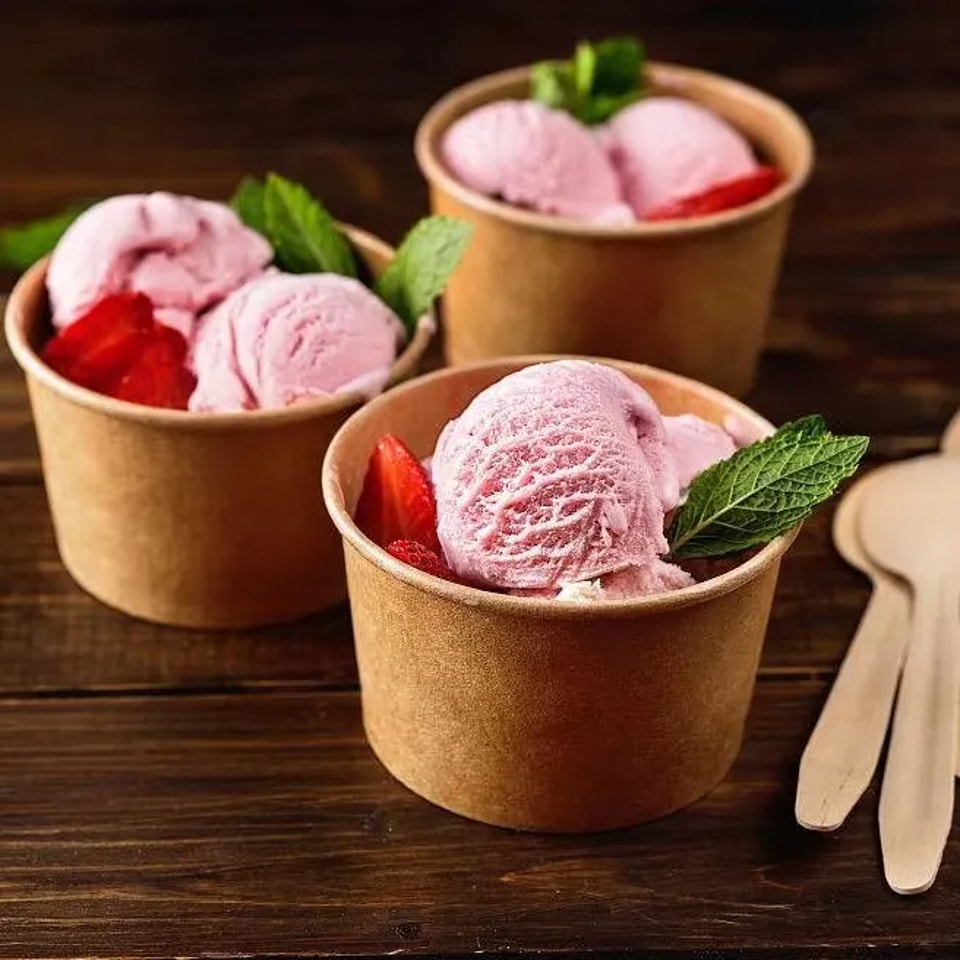
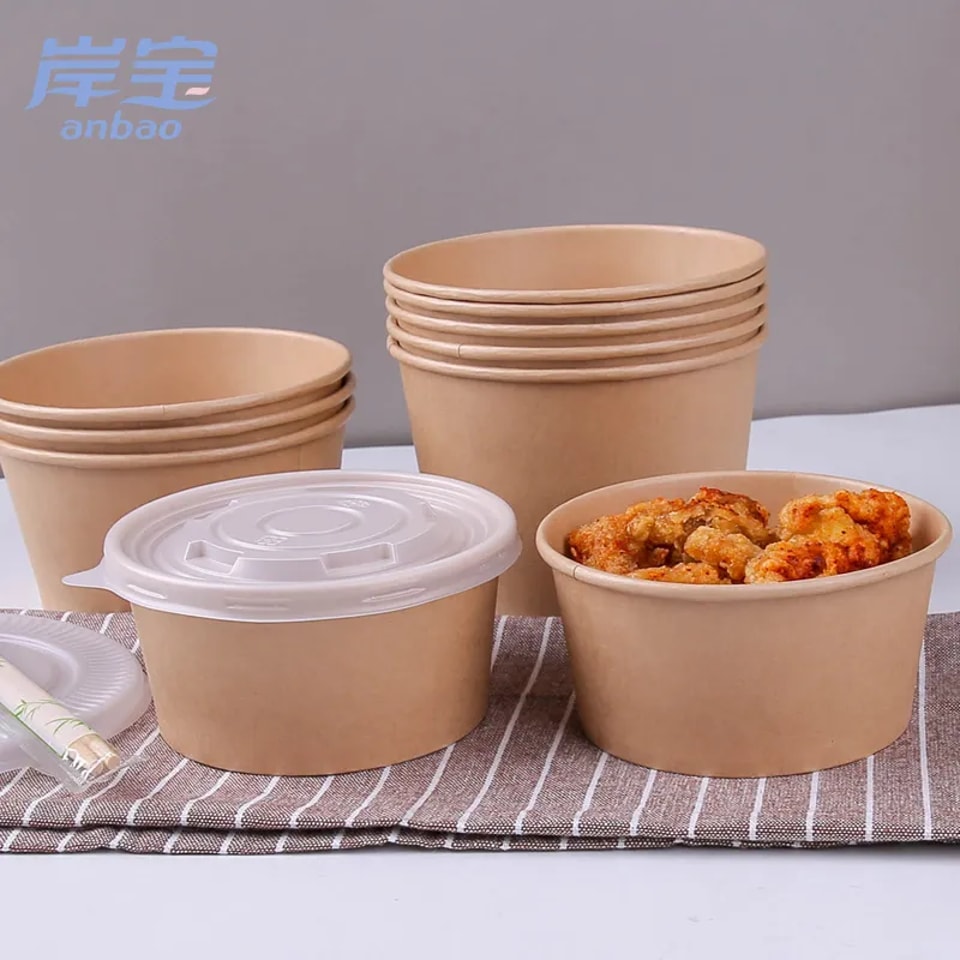
A thicker kraft paper box can offer a substantial feel, but thickness alone does not tell you how well it will perform. For takeaway brands, foodservice operators and distributors, the right specification combines suitable paper, structure, barrier protection and consistent manufacturing. Start with the food and the journey from filling to consumption. A burger served immediately creates different demands from a sauced meal held for delivery. Anbao manufactures paper food packaging with custom printing, sizes and structures. This guide explains what to check when sourcing kraft paper food boxes and how to prepare a clear specification for your next order. Define the serving conditions first Tell your supplier what the box will contain, how much each portion weighs and how the food is packed. Include the approximate filling temperature, expected holding time and whether the meal contains oil, sauce or free liquid. These details help identify a suitable construction and useful sample tests. Also explain the handling conditions. Will filled boxes be stacked, carried in bags or transported by delivery riders? Will staff close them by hand during a busy service period? Test packaging through that routine. Appearance on an empty shelf is only one part of performance; the filled box must work throughout its intended use. Look beyond paper thickness Paper thickness contributes to the feel of a box, but rigidity also depends on paper properties, panel dimensions, folds and construction. A larger base or a heavier portion may require a different design from a smaller snack box, even if the paper specification is similar. Review the finished sample with a representative food portion. Check the base, side walls, corners and closure during filling and handling. Assess whether the box maintains its shape and whether the structure suits the intended stacking arrangement. Comparing samples against agreed use conditions is more informative than relying on the word thickened in a product description. Match the barrier to grease and moisture Grease, sauces and moisture can affect both appearance and structural performance. The selected coating or barrier needs to suit the food, its temperature and the time it will remain in the box. A construction suitable for a relatively dry snack may not suit a meal with substantial sauce. Ask Anbao to confirm the material construction proposed for your application. Do not assume that all kraft paper boxes provide the same resistance or that every folded box is suitable for liquids. Any microwave, freezer or other special use requirement should be stated and confirmed separately before purchase. Select the right box format Burger boxes should provide enough room for the assembled product while supporting convenient closing and handling. Fries boxes should suit the portion and serving method. Salad boxes need sufficient space for ingredients and toppings, with a closure appropriate to the way the product is sold. Bento and compartment containers can help keep different meal components apart, but separation requirements vary. If keeping sauces away from dry foods matters, test the actual meal in the proposed design. Anbao's range includes burger boxes, fries boxes, salad boxes, bento boxes and compartment containers. Confirm the available format against your dimensions and application rather than selecting by capacity description alone. Make custom printing easy to approve Custom packaging should reproduce the brand clearly while remaining practical to manufacture. Provide the logo, artwork, colour references and any required text before finalising the layout. Confirm the print area and the position of graphics relative to folds, corners and bonding areas. Review the artwork proof carefully and agree on sample requirements. Paper colour and surface characteristics can influence the printed result, so a screen preview may not fully represent the finished box. Anbao checks print colour, registration and ink adhesion as part of its inspection process. Clear approval criteria help reduce misunderstandings when moving from design to production. Understand what production checks cover Consistent boxes depend on more than a final visual check. Printing, die cutting, folding and bonding each influence dimensions, appearance and usability. Inaccurate cutting or fold positions can affect closing, while poor bonding can weaken the finished structure. Anbao's first piece inspection covers printing, die cutting, forming, bonding, leakage, capacity, rigidity and appearance. Its process also includes employee self inspection, equipment and material checks, and quality patrol inspections every two hours. Online inspection equipment is used at relevant stages. Bonding and leakage receive additional attention after shift changes, production changes and equipment maintenance. Agree which checks and acceptance requirements apply to your selected box. Validate samples before ordering in volume Use samples to assess the proposed box with your own food and handling process. Fill the container as staff normally would, close it and observe it over the expected holding period. Check for staining, softening, distortion, opening or leakage relevant to the application. If the format uses a separate lid or sealing film, confirm compatibility as part of the same evaluation. Record the approved dimensions, material, artwork and packing arrangement so that the purchase order has a clear reference. For repeat programmes, a consistent specification makes it easier to compare deliveries and communicate any changes. Discuss documentation and request a quotation A kraft appearance does not establish recyclability, compostability or suitability for every food contact application. Ask for documentation relevant to the finished product and destination market. Environmental statements should match the specific construction and available supporting evidence. To request a quotation, send Anbao your box style, dimensions, food application, filling conditions, preferred material, printing requirements and estimated quantity. Include packing preferences, delivery destination and any required documentation. A reference sample or drawing can make the discussion more precise. Contact Anbao to explore custom kraft paper food boxes and arrange samples for evaluation before your bulk order.
Double Wall vs Single Wall Paper Coffee Cups | Anbao

11/12, 2026

Double Wall vs Single Wall Paper Coffee Cups | Anbao

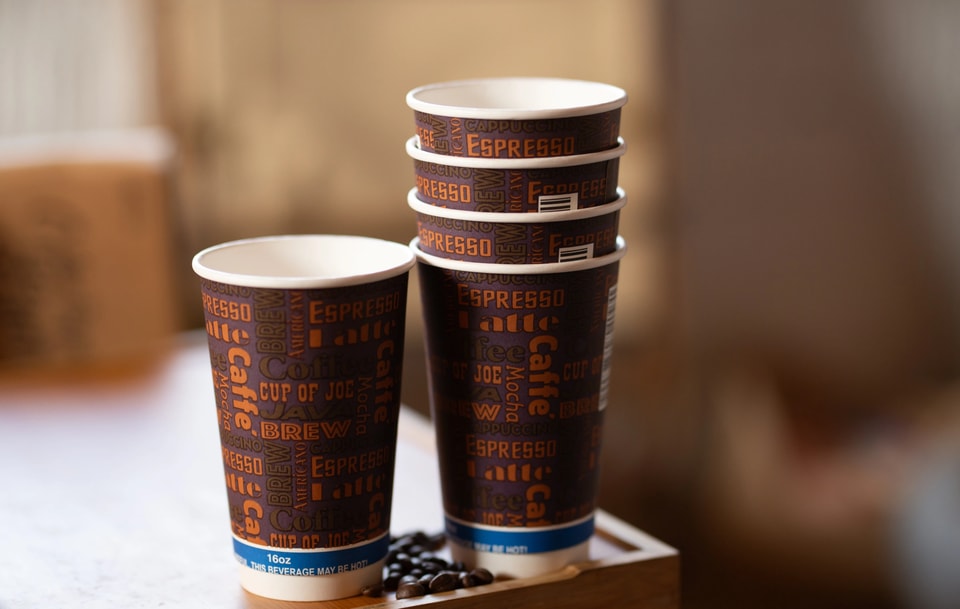
Double wall paper coffee cups provide an additional outer paper layer that can improve hand comfort when serving hot drinks. Single wall cups use a simpler construction and may offer a lower unit cost. For coffee shops, foodservice operators and distributors, the best choice depends on the drinks being served, the customer experience and the complete packaging cost. Before ordering in volume, compare both formats under your actual serving conditions. Beverage temperature, holding time, cup size and lid fit all affect performance. This guide explains the practical differences and the specifications to discuss with Anbao when developing your cup range. How the two cup structures differ A single wall paper cup has one paper wall with an internal barrier suited to its intended beverage application. A double wall cup adds an outer paper layer around the inner cup. The precise construction varies by design, so buyers should review the finished sample rather than assume all double wall cups perform alike. The additional layer creates more separation between the beverage and the hand. It can also give the cup a firmer, more substantial feel. However, wall count alone does not determine strength or comfort. Paper specification, forming quality and the way the cup is held also matter. Insulation and comfort during takeaway service For hot coffee, tea and other takeaway drinks, the outer surface is a key part of the customer experience. A double wall design generally helps reduce heat transfer to the area customers hold. In suitable applications, this may remove the need for a separate sleeve and simplify service at the counter. That does not mean every double wall cup is comfortable at every serving temperature. Test samples with your normal drink recipe, fill level and holding time. Assess the cup immediately after filling and again during the expected drinking period. Single wall cups may still be suitable for hot beverages when paired with an appropriate sleeve and validated for the intended use. Compare the total cost of each format Single wall cups generally use less paper and can have a lower purchase price. Double wall cups use additional material and may cost more per unit. For a useful comparison, calculate the cost of the full serving setup, including any sleeve, compatible lid, printing and packing requirements. Operational considerations also influence value. If sleeves are required, account for storage space and the work involved in fitting them. Check carton dimensions and quantities when comparing freight and warehouse requirements. A cheaper cup is not automatically the lower cost option once the complete packaging system is considered. Match the format to your drink menu Double wall cups are worth considering when hot drink comfort and a substantial feel are priorities, particularly for takeaway coffee service. Single wall cups may suit businesses seeking a simpler format, or those already using sleeves as part of their presentation. Some operators use different constructions across their menu. Others prefer a consistent cup family to make purchasing and service easier. Start with your bestselling drinks and the most demanding serving conditions, then evaluate whether one specification can cover the range. A practical choice should support both the customer's experience and the team's daily workflow. Confirm capacity and lid compatibility together Cup capacity should reflect the finished drink, including milk, foam and any space needed below the rim. Ask how the stated capacity is measured and compare samples with your actual serving portions. Nominal size alone is not enough to confirm suitability. Evaluate the cup and lid as a pair. Confirm rim dimensions, lid specification and fit before approving the order. Check that staff can apply the lid consistently and that it stays secure during normal handling. A matching size description does not guarantee compatibility between products from different ranges or suppliers. Choose materials and environmental claims carefully The inner barrier helps the cup hold the intended beverage. Options may include PE, PLA or water based coatings, depending on the product specification. Ask Anbao to confirm the available construction for your selected cup and explain the intended application before choosing a material. Environmental claims should relate to the finished product and supporting documentation. Do not assume that a paper cup is recyclable or compostable simply because of its appearance or coating description. Confirm any required certification and consider the collection and treatment facilities available in the destination market. A material choice should satisfy both functional requirements and the claims your business intends to make. Prepare artwork and approve production samples Both single wall and double wall cups can carry logos, brand colours and promotional designs. Provide the artwork in the requested format and confirm the printable area, colour references and approval process. Review important details such as small text, logo positioning and colours on the actual paper surface. Anbao supports custom paper cup printing and preproduction colour samples. Quality checks cover colour difference, registration, ink adhesion, leakage, rigidity and odour. Agree on the approved sample and key requirements before mass production so that product appearance and functional expectations are clear to both parties. Plan your next coffee cup order with Anbao A useful enquiry includes your preferred cup construction, serving capacity, beverage type, lid requirements, coating preference, artwork and estimated order quantity. Share the destination market and any documentation needed for your purchasing process. If you are replacing an existing cup, a reference sample can help clarify the specification. Contact Anbao to discuss available single wall and double wall paper coffee cups and request samples for evaluation. Testing the complete cup and lid combination before placing a bulk order helps you choose packaging that fits your menu, service routine and brand presentation.
Ice Cream Cups with Lids for Takeaway and Wholesale

11/12, 2026

Ice Cream Cups with Lids for Takeaway and Wholesale

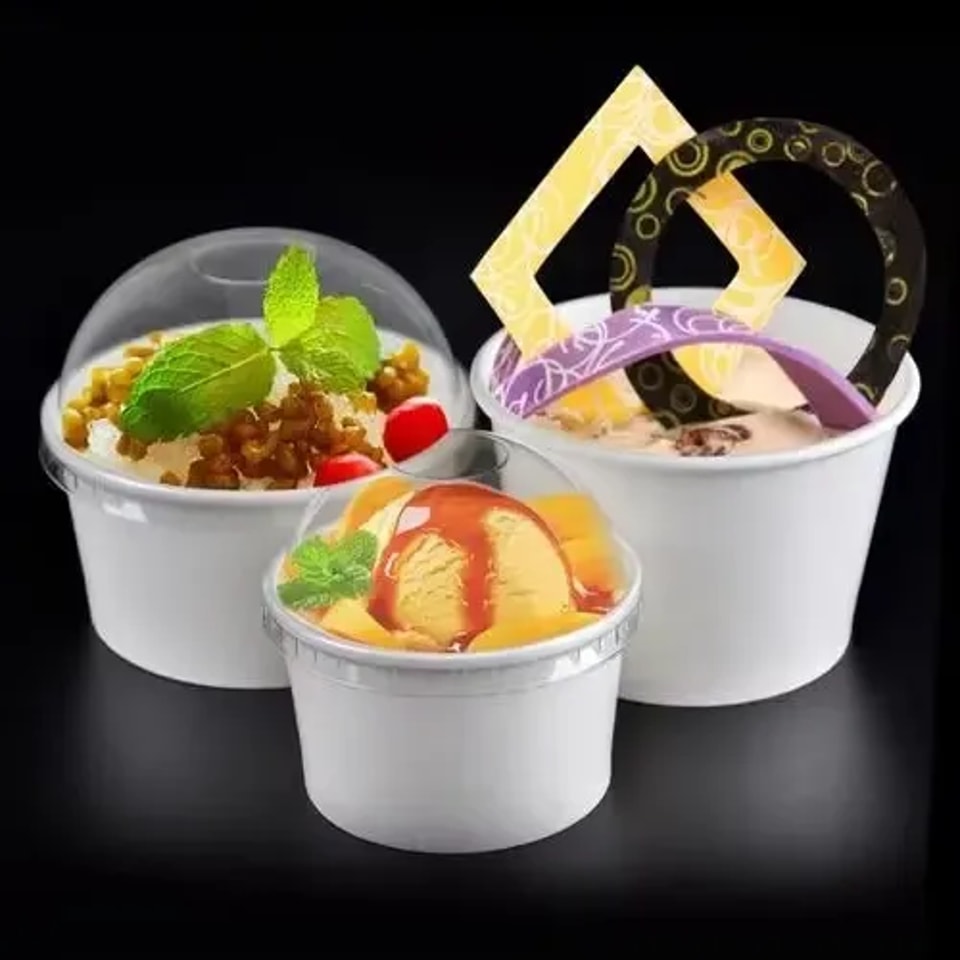
Do all ice cream servings need a lid? Not necessarily. Customers eating ice cream in a shop may not need one, while takeaway orders, retail products, and pre-portioned desserts often require covered packaging. For ice cream shops, dessert brands, and foodservice distributors, choosing the right ice cream cups with lids means considering how the product will be served, transported, stored, and presented. What Should You Consider When Choosing Ice Cream Cups with Lids? A suitable ice cream cup needs to match the dessert and its serving conditions. Before selecting a product, consider three important factors. Cup Capacity and Size Start with the portion you plan to serve. A small gelato serving, a regular takeaway portion, and a larger dessert with toppings will require different cup capacities. Capacity alone is not enough. The top diameter, bottom diameter, and cup height also affect how the product fits inside the container and whether a suitable lid can be used. A wider opening may make it easier to add toppings, while a taller cup may provide more room for layered desserts. Cup Material and Structure Paper ice cream cups offer a printable surface for brand designs and provide a convenient disposable packaging format. However, the material and coating should be selected according to the dessert, moisture exposure, storage conditions, and destination market. For frozen desserts, buyers should confirm that the complete cup specification is suitable for the intended application. If you are also comparing paper-based material and coating options, our previous guide to biodegradable ice cream cups provides more detail on these considerations. Cup and Lid Compatibility A lid should fit the cup rim securely and be easy for staff to apply. Even when the cup capacity is correct, a mismatch between the rim and lid can cause problems during packing and handling. When evaluating a cup-and-lid combination, check the dimensions and closure method together. It is better to test the actual combination with your product than to select a lid based on capacity alone. Which Lid Is Suitable for Different Ice Cream Applications? A lid is most useful when the dessert needs to be carried, stored, or distributed before consumption. Different lid designs serve different purposes, so the choice should follow the product and sales channel. Flat Lids for Takeaway and Delivery Flat lids provide a relatively level top and can be useful for takeaway orders that need to be packed in bags or arranged in delivery containers. Their shape may also make stacking easier, depending on the cup and lid design. For ice cream shops offering takeaway or online delivery, the main considerations are a secure fit, convenient closing, and stability during normal handling. Buyers should test the packaging with the expected order arrangement rather than assume that every flat lid is suitable for stacking. Dome Lids for Topped Ice Cream and Desserts Dome lids provide extra space above the cup rim. They can be useful for desserts with whipped cream, fruit, sauces, or other toppings that extend above the normal fill level. This style may also help keep decorative toppings from being pressed directly against a flat lid. For gelato and specialty dessert brands, it can be worth considering when product appearance is part of the customer experience. Paper Lids for Coordinated Paper Packaging Paper lids may suit brands that want a more consistent paper-based packaging appearance. They can be considered for takeaway desserts and retail packaging where the cup and lid need to follow the same visual direction. The actual suitability depends on the lid's design, closure, and performance requirements. Buyers should confirm whether the available paper lid is compatible with the selected cup and the intended storage conditions. These are common lid styles in the packaging market, not a confirmation that every type is available for every Anbao ice cream cup. The available lid options and matching dimensions should be confirmed for the specific product before ordering. How to Choose the Right Ice Cream Cup Size for Your Business? The best cup size depends on what you sell and how customers receive it. A practical starting point is to match the serving portion with the cup's capacity and dimensions. Ice Cream Shops Ice cream shops may serve single scoops, multiple scoops, or larger portions for sharing. Smaller cups can suit individual servings, while larger capacities provide more room for multiple scoops and toppings. If your shop offers both dine-in and takeaway, consider whether you need separate packaging options. Open cups may be sufficient for customers eating in-store, while takeaway orders may require compatible lids. Gelato and Frozen Yogurt Brands Gelato and frozen yogurt businesses may need cups for different serving volumes, textures, and toppings. A wider opening can make filling and adding ingredients easier, while the cup height affects how much space is available for layered desserts. For pre-portioned products, also consider how the filled cups will be stored and handled. The selected cup and lid should work together under the intended conditions. Foodservice Distributors Distributors often serve customers with different portion requirements. Offering several cup capacities can help cover independent ice cream shops, dessert chains, and other foodservice businesses. Anbao's current ice cream cup range includes seven capacities: Cup Size Capacity Dimensions (Top × Bottom × Height) 3 oz 138 ml 75 × 61 × 49 mm 4.5 oz 170 ml 95 × 83 × 39 mm 5 oz 195 ml 86 × 71 × 51 mm 8 oz 303 ml 96 × 80 × 62 mm 12 oz 390 ml 111.5 × 92 × 58 mm 14.5 oz 440 ml 95 × 71 × 93 mm 16 oz 520 ml 111.5 × 88 × 85 mm Each listed size is packed at 1,000 pieces per carton. These options provide a starting point for planning different serving sizes and wholesale product combinations. You can compare the dimensions and specifications in our paper ice cream cup range. How Can Custom Disposable Dessert Cups Meet Your Brand Needs? Standard packaging may not always match a dessert brand's serving format or visual identity. Custom disposable dessert cups give businesses more flexibility when developing packaging for ice cream, gelato, frozen yogurt, and other cold desserts. Custom Sizes for Different Portions If standard capacities do not fit your product, discuss the required volume, top diameter, bottom diameter, and height with the manufacturer. These details help define the cup structure and should be considered alongside the lid dimensions. Printing That Reflects Your Brand Custom logos, patterns, and colors can help create a consistent look across store counters, takeaway orders, and retail products. Before mass production, confirm the artwork and printed appearance against the approved design. Material and Coating Options Material and coating choices should reflect the dessert application and target market. PE, PLA, and aqueous coating options may be considered for paper packaging, but the appropriate configuration needs to be confirmed for the specific product. Planning Cup and Lid Requirements Together If your product requires a lid, include it in the initial packaging discussion rather than treating it as a separate accessory later. Confirm the cup size, lid style, matching dimensions, and intended use together. This helps reduce the risk of approving a cup that does not work with the required closure. At Anbao, we support custom logo printing, patterns, colors, and tailored cup or container sizes. Our wider paper food packaging range also gives foodservice businesses and distributors options for coordinating different packaging categories. Whether you need standard ice cream cups or custom disposable dessert cups, the starting point is a clear product requirement. Share your intended application, capacity, material preference, artwork, quantity, and lid requirements with our team. We can then discuss the suitable specification and available customization options. Contact Anbao to discuss your paper ice cream cup project.
Salad Bowl Manufacturer for Custom Paper Bowls | Anbao

11/12, 2026

Salad Bowl Manufacturer for Custom Paper Bowls | Anbao

Are you looking for a salad bowl manufacturer that can meet your restaurant's serving needs, support custom packaging, and handle repeat bulk orders? The right paper salad bowl should fit your food portions, work with your serving and takeaway process, and maintain consistent quality across orders. For restaurant chains, packaged food brands, and distributors, choosing a manufacturer also means considering product flexibility and long-term supply. What Do Different Food Businesses Need from Salad Bowls? A salad bowl used in a restaurant may have different requirements from one designed for supermarket food packaging. Before choosing a manufacturer, consider how the bowl will be used in your business. Salad Chains and Restaurants Salad bars, quick-service restaurants, and healthy food chains often serve several types of meals, from side salads to full-size chicken or grain bowls. Each menu item may need a different capacity and bowl shape. A suitable bowl should provide enough room for vegetables, proteins, grains, and toppings without making the portion difficult to handle. A wide opening can also make food arrangement and serving more convenient. For chains with multiple locations, packaging consistency matters. Using coordinated bowl sizes and printed designs helps maintain a recognizable brand presentation across stores. Buyers may also need a range of sizes to support seasonal menus or different meal portions. Pre-Packaged Food Manufacturers Companies producing ready-to-eat salads for supermarkets and convenience stores need packaging that fits their filling, storage, and distribution processes. The bowl should accommodate the actual food portion and leave enough space for toppings or other ingredients. Buyers should also consider how the container will be closed, stored, transported, and displayed. Food-contact requirements are another important consideration. The selected material and coating should be checked against the food application and regulations in the destination market. Documentation should relate to the actual product specification rather than a general company certification. Distributors and Wholesalers Distributors often supply restaurants, catering businesses, and food retailers with different packaging requirements. They may need several bowl capacities, matching lids, and custom printed options. A manufacturer with a broader paper bowl and food container range can give distributors more options when planning product combinations. Flexible customization and repeat-order support are also important when serving customers with different purchasing volumes. How to Choose the Right Paper Salad Bowl for Your Products? The right bowl is not determined by capacity alone. Its dimensions, shape, structure, and closure should all match the food and the way it will be served. Capacity and dimensions Start with the actual portion size. A side salad, individual lunch bowl, and large meal salad will not necessarily need the same container. The amount of space required also depends on the ingredients. Leafy vegetables, grains, proteins, and toppings may take up different volumes. Anbao's round paper bowl range includes capacities from 350 ml to 1,300 ml, with options such as 350 ml, 450 ml, 550 ml, 650 ml, 750 ml, 998 ml, 1,100 ml, and 1,300 ml. The listed dimensions vary by capacity. For example, the 550 ml option measures 120 × 94.1 × 71 mm, while the 750 ml option measures 120 × 93.2 × 98.5 mm. These specifications provide a starting point for comparing bowl sizes. Buyers should still test the usable filling volume with their actual menu portions before confirming an order. You can review the available round paper bowl specifications when comparing capacities and dimensions. Bowl strength and stackability A bowl needs enough stiffness to hold its contents during filling, handling, and takeaway service. For businesses packing multiple orders, compression resistance and stackability are also worth considering. The bowl should maintain its shape during normal handling. This is particularly important when staff need to stack filled containers or place them in delivery bags. Lid compatibility and leak resistance The lid should match the bowl's rim and the intended packaging method. Buyers should confirm the exact bowl-and-lid combination rather than selecting a lid based only on nominal capacity. Food type also matters. Salad ingredients may contain moisture, oil, or dressing, so the packaging should be tested with the actual recipe and expected holding time. At Anbao, our paper bowl quality checks include bonding and leakage inspections. For takeaway applications, buyers should also evaluate the finished package under representative handling and stacking conditions. What Customization Can a Salad Bowl Manufacturer Provide? Standard sizes may not fit every menu or brand requirement. Customization allows food businesses to align the container with their portions, packaging process, and visual identity. Custom sizes Different menu items may require different bowl capacities, opening diameters, and heights. A manufacturer should be able to discuss these dimensions based on the food portion and intended use. At Anbao, our paper bowls support customization of capacity, diameter, and height. Buyers can provide their existing specifications or describe their serving requirements for a suitable product discussion. Logo and printed designs For restaurant chains and private-label food brands, printed packaging is part of the customer experience. A logo, brand color, or recognizable pattern can help create a consistent appearance across takeaway orders and retail products. Before mass production, buyers should confirm the artwork, colors, and printing requirements. Reviewing a pre-production sample is useful for checking the design and making adjustments before the order proceeds. Material and coating options Material selection should reflect the food, moisture and oil content, intended use, and target market. PE, PLA, and aqueous coating options may be considered where suitable, but availability and performance need to be confirmed for the specific bowl model. Buyers pursuing compostable packaging should also check the relevant certification and disposal requirements in their destination market. A material description alone is not enough to establish that a finished bowl meets a particular environmental standard. How Does Anbao Support Bulk Salad Bowl Production? For restaurant groups and distributors, approving a sample is only the beginning. The manufacturer also needs to maintain product specifications and coordinate production and delivery across repeat orders. Quality Control Throughout Production Consistent quality depends on checks at different production stages. For paper bowls, important inspection points include: -Printing: Checking text, patterns, color differences, registration, and ink adhesion.-Die cutting and forming: Checking dimensions, appearance, and forming quality.-Bonding and leakage: Inspecting bonded areas and testing the finished container for leakage.-Product performance: Checking capacity, stiffness, and compression resistance.-Final packing: Confirming lid or sealing compatibility, packaging condition, and order quantity. Anbao's quality management process includes first-piece inspection, employee self-checks, regular quality patrols, and online inspection equipment. These measures help identify production issues and maintain the agreed product requirements. Flexible Production and Supply Different customers may require different bowl sizes, printed designs, and order quantities. Anbao follows an order-driven production approach to support personalized packaging requirements. With six production bases across China, Thailand, and the United States, Anbao serves customers in different markets. Its manufacturing system combines automated production, digital management, and coordinated supply processes to support production efficiency and order fulfilment. Samples, Lead Times, and Order Arrangements Before confirming a bulk order, buyers should provide the key details needed to evaluate the project: -Bowl type, capacity, and dimensions-Intended food and serving application-Material or coating preference-Matching lid requirements-Logo artwork and printing details-Estimated order quantity-Destination country and expected delivery schedule Samples allow buyers to review the product before mass production. The MOQ, production lead time, packaging configuration, and delivery arrangements should then be confirmed according to the selected specification and order quantity. For businesses planning ongoing purchases, it is also useful to keep an approved sample and specification as references for future orders. This makes it easier to manage repeat production and maintain consistency when replenishing stock. A reliable salad bowl manufacturer should understand more than the container itself. Product dimensions, food application, customization, quality control, and supply arrangements all contribute to a successful packaging program. At Anbao, we work with foodservice businesses, packaged food brands, and distributors to develop paper packaging around their specific requirements. If you are planning a new salad bowl project, you can contact our team with your product specifications and order details to discuss suitable options.
16oz Single Wall Kraft Paper Coffee Cup | Anbao

11/12, 2026

16oz Single Wall Kraft Paper Coffee Cup | Anbao

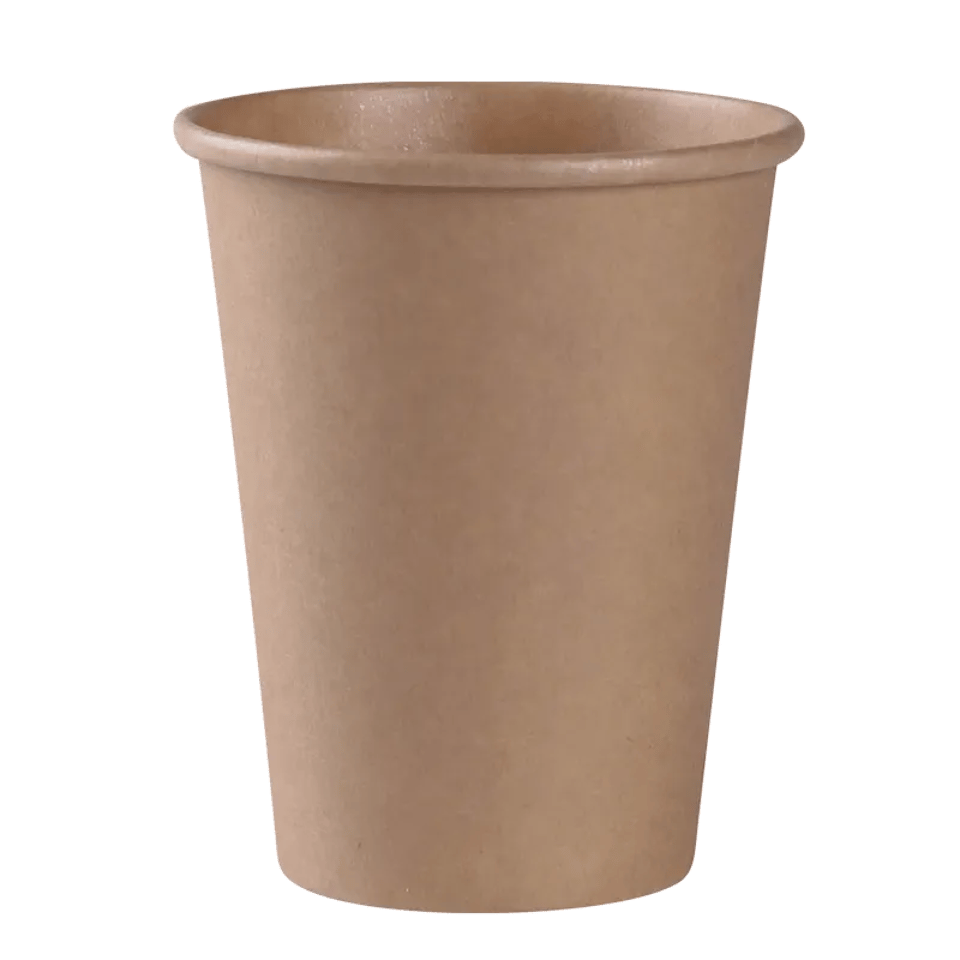
Is a 16oz single wall kraft paper coffee cup the right size for your takeaway coffee, milk tea, or iced drink menu? How much beverage can it hold, and will its dimensions fit your lids, serving equipment, and daily operations? Choosing a cup involves more than matching the capacity printed on the label. Its opening, height, base diameter, and wall structure all influence how it works in a real beverage business. What Are the Dimensions of a 16oz Kraft Paper Cup? A 16oz cup is a common option for businesses that serve larger takeaway portions. However, two cups with the same stated capacity may have different shapes and dimensions. Checking the actual measurements helps avoid problems with lid selection, storage, and drink preparation. Our product specification provides the following details for this 16oz paper cup: Specification Details Listed capacity 16oz / 497ml Top diameter 90mm Bottom diameter 59.6mm Height 135mm Cup structure Single wall Material Kraft paper How Do These Measurements Affect Daily Use? Each dimension has a practical role: -Top diameter – 90mm: The opening determines which lid can fit the cup. A lid designed for a different rim size may not attach securely, even if it is also described as suitable for a 16oz cup.-Bottom diameter – 59.6mm: The base affects how the cup sits on counters, trays, and cup holders. It is also useful when checking storage and dispensing equipment.-Height – 135mm: Cup height influences how much space the cup occupies during storage and how it fits into a takeaway carrier or serving setup. These measurements should be considered together. Capacity alone does not tell you whether a cup will fit your existing lids or equipment. Our 16oz single-wall kraft paper cups can be considered when planning a consistent takeaway cup specification. Before placing an order, compare the listed dimensions with the packaging and accessories used in your operation. Which Popular Coffee and Tea Brands Offer 16oz Drinks? The 16oz serving size appears in both coffee and tea menus. Looking at familiar beverage brands can help businesses understand how this capacity is positioned in the market. These examples refer to drink serving sizes, not the exact paper cup dimensions or construction used by each brand. Starbucks Grande Coffee In the US, Starbucks uses Grande as its 16 fl oz size. Drinks such as Caffè Latte and Caffè Americano are available in this serving size. For coffee shops, this provides a useful reference when planning a larger standard takeaway portion. A 16oz cup can accommodate a full coffee serving while leaving room to consider milk, foam, or other additions, depending on the recipe. Businesses developing their own menus can use this size as a reference point, then adjust the actual fill level to match their drinks. Chatime Milk Tea and Tea Drinks Some Chatime US store menus also offer 16oz drinks, including hot Thai Milk Tea and Taro Milk Tea. This shows that the size is not limited to traditional coffee menus. It can also be considered for milk tea and other specialty tea beverages. For tea shops, the final serving volume may be affected by ingredients such as milk, tea, syrup, tapioca pearls, and other toppings. The cup should therefore be selected according to the finished drink rather than the liquid volume alone. What Can Beverage Businesses Take from These Examples? The same 16oz capacity can serve different menu purposes: -Coffee shops may use it for larger hot or iced coffee portions.-Milk tea shops may use it for selected milk tea and specialty tea drinks.-Beverage chains may include it as one size within a broader menu range. The important point is to match the cup to the recipe and serving method. A 16oz label is a useful starting point, but it does not replace testing the actual drink volume and presentation. What Drinks Can You Serve in a 16oz Cup? A 16oz cup offers room for a relatively generous beverage portion. It can be considered for different takeaway drinks, provided that the cup material, coating, and lid are suitable for the intended application. -Coffee: Americano, latte, flavored coffee, and other larger coffee servings. For milk-based drinks, consider the space needed for milk and foam when setting the fill level.-Milk tea: Classic milk tea, taro milk tea, and other milk-based tea drinks. If the recipe includes tapioca pearls or other toppings, allow enough space for both the ingredients and the liquid.-Iced beverages: Iced coffee, iced tea, and fruit tea. Ice takes up part of the cup's internal volume, so the amount of liquid served may be lower than for a drink without ice. A cup's listed capacity should not automatically be treated as its recommended fill volume. Businesses should test their recipes in the actual cup, especially when introducing a new size to an existing menu. This helps maintain consistent portions and reduces the risk of overfilling during busy service periods. Is a Single Wall Cup Suitable for Hot Drinks? A single-wall cup has one main paper wall. Its straightforward structure makes it an option for takeaway beverage service, but the choice should account for the temperature of the drink and how customers will hold the cup. For hot coffee and tea, the drinking temperature, holding time, and customer experience all matter. Some businesses may find that a separate cup sleeve is useful, particularly when customers need to carry a hot drink for an extended period. A double-wall cup offers a different structure, with an additional outer paper layer. This creates another option for businesses that want to consider the cup's insulation and handling experience. Our double-wall paper cups provide a reference for comparing the two structures. Neither structure is automatically the right choice for every menu. A coffee shop serving mostly hot drinks may have different requirements from a business focused on iced beverages. Consider the drink temperature, serving duration, customer handling, and overall packaging cost before selecting a cup type. How to Specify a 16oz Cup for Your Drink Menu Instead of choosing a cup based on capacity alone, start with the drinks you plan to serve. A few product details can make a difference to the final result. 1. Set the serving volume Decide how much finished beverage each menu item should contain. Account for milk, foam, ice, pearls, and other toppings. Test the recipe in the cup to confirm that there is enough space without leaving an unnecessarily large gap at the top. 2. Check the lid and rim together The 90mm top diameter is an important reference when selecting a lid. However, nominal diameter alone does not guarantee compatibility. Test the actual cup and lid combination to check the fit, closure, and stability during takeaway transport. 3. Select a suitable coating Our paper cup range offers PE, PLA, and water-based coating options. The right choice depends on the beverage application, packaging requirements, and target-market standards. These options should be evaluated for the specific cup specification rather than assumed to be interchangeable. 4. Plan the printed design For branded beverage businesses, the cup is also part of the customer-facing presentation. Consider how the logo, background color, and graphic elements will appear on the kraft paper surface. Artwork should be checked against the cup template, and a pre-production color sample can help confirm the intended appearance before mass production. For more detailed guidance on artwork, samples, quality checks, and order planning, see our article on what to ask a supplier before ordering disposable coffee cups with a company logo. A suitable 16oz cup should work with the beverage recipe, lid, and serving routine as one complete packaging choice. By checking capacity and physical dimensions together, coffee shops and tea businesses can choose a cup specification that fits their actual menu instead of relying on the size label alone.
How to Choose Customized Disposable Coffee Cups with Lids

11/12, 2026

How to Choose Customized Disposable Coffee Cups with Lids

For coffee shops, beverage chains and takeaway businesses, choosing disposable coffee cups involves more than selecting a size or printing a logo. The cup and lid need to work together to provide a convenient drinking experience and reduce spills during takeaway and delivery. When sourcing customized disposable coffee cups with lids, buyers should consider cup dimensions, lid compatibility, materials, printing quality and bulk order requirements. This guide covers the key points to help you choose packaging that fits your business. Why Coffee Cup and Lid Compatibility Matters A well-matched cup and lid helps prevent spills and makes takeaway service more convenient. For coffee shops and beverage chains, packaging consistency also matters because customers expect the same experience across different locations. Before placing an order, check whether the lid fits securely around the cup rim and stays in place during normal handling. For delivery businesses, test the complete cup-and-lid combination under realistic transportation conditions. For chains and franchises, using consistent cup and lid specifications across locations can also simplify purchasing, inventory management and staff operations. It is also worth considering how customers handle drinks after purchase. A cup used for quick takeaway may have different practical requirements from one that needs to remain secure during a longer delivery journey. Testing the filled cup, lid and drinking opening together can help identify issues before large quantities are ordered. How to Choose the Right Coffee Cup Lids Check Cup Size and Rim Compatibility Cup capacity alone does not determine whether a lid will fit. Cups with similar capacities may have different rim diameters and dimensions. Before ordering, confirm: -Cup capacity and rim diameter-Cup height and rim design-Compatible lid specifications-Whether the lid fits the selected cup model Always test samples before bulk production. Check how easily the lid can be installed, whether it stays securely in place and whether customers can drink comfortably. Match Lids to Hot and Cold Drinks Different beverages may require different lid designs. Hot coffee usually needs a convenient drinking opening, while iced coffee may require a lid compatible with a straw. Your choice should reflect your menu and service method. Confirm the available lid options with your supplier and make sure each lid is compatible with the corresponding cup. Choosing Custom Disposable Coffee Cups for Hot and Cold Drinks Paper Cups for Hot Coffee Hot beverages such as Americano and latte require cups suitable for contact with hot drinks. Cup structure also affects how comfortable the packaging is to hold. When selecting hot coffee cups, consider whether a single-wall or insulated structure better suits your service needs. Anbao's double-wall insulated paper cups provide an option for businesses looking for an additional insulating layer. Cups for Iced Coffee and Cold Drinks For iced coffee and other cold beverages, consider condensation, cup stiffness and lid compatibility. The cup should maintain its shape during filling, carrying and consumption. Material and coating selection should also match the intended application. Anbao offers options including PLA and water-based coatings. Buyers should confirm the applicable product specifications and environmental certifications according to their target market. Customizing Your Coffee Cups and Lids Choose Cup Sizes and Printing Designs Different coffee menus may require several cup capacities. When planning your packaging range, confirm the dimensions and rim specifications for each size so that the matching lids can be selected correctly. Custom printing is another important consideration. A recognizable logo and consistent brand colors help coffee businesses strengthen their visual identity. At Anbao, we support custom printing with up to seven-color flexographic printing and provide pre-production color samples. This allows customers to review the printed appearance before mass production. When preparing artwork, make sure the logo, text and other design elements are clear and suitable for the selected cup format. Reviewing a pre-production color sample also gives your team an opportunity to check whether the printed colors meet your brand requirements before proceeding with the order. Keep Your Cup and Lid Specifications Consistent For coffee chains and distributors, clear product specifications help simplify repeat orders and inventory management. Prepare a list of cup sizes, compatible lids, printing designs and material requirements. Confirming these details together helps reduce ordering mistakes and makes it easier to manage multiple packaging SKUs. For businesses operating several locations, it is useful to keep a consistent record of approved cup and lid combinations. This makes it easier for purchasing teams to communicate requirements, compare repeat orders and maintain packaging consistency when replenishing stock. What to Check Before Buying Custom Coffee Cups in Bulk Before confirming a bulk order, evaluate more than the unit price. Product quality, production arrangements and supply reliability all affect your purchasing decision. Confirm Samples, MOQ and Lead Time Request samples to check cup dimensions, printing quality and lid compatibility. You should also confirm the minimum order quantity, sampling arrangements, production lead time and shipping terms.For more details on preparing a custom order, see our guide on what to ask before ordering disposable coffee cups with a company logo. Check Quality Control and Supply Capacity Consistent quality is important for businesses that use large quantities of disposable coffee cups. Variations in dimensions, printing or sealing quality can affect daily operations. Anbao's quality inspection processes cover areas such as leakage, stiffness, ink adhesion and odor. These checks help evaluate important aspects of finished packaging, from its physical condition to its printed appearance. With an order-driven production approach and multiple production bases, we support customized packaging requirements and recurring supply needs. FAQs About Custom Coffee Cups and Lids Can I Order Custom Printed Coffee Cups with Matching Lids? You can discuss custom cup printing and compatible lid options with your packaging supplier. Confirm the cup capacity, rim dimensions and intended beverage application together. How Do I Know If a Coffee Cup Lid Fits? Check the cup rim diameter and the lid's compatible specifications. Then test the actual cup and lid together before approving a bulk order. What Do I Need for a Bulk Coffee Cup Quote? Prepare your required cup sizes, estimated order quantity, printing artwork, material preferences and delivery destination. If you need matching lids, include the intended lid type or drinking method. At Anbao, we provide customized paper packaging solutions for beverage businesses. Share your requirements with our team to discuss suitable coffee cup options and matching packaging specifications.
Custom Restaurant Containers for Foodservice Businesses|Anbao

11/5, 2026

Custom Restaurant Containers for Foodservice Businesses|Anbao

For restaurants, takeaway brands, and foodservice chains, packaging is more than a way to carry food. The right restaurant containers help protect food during delivery, improve brand presentation, and support efficient daily operations.When ordering custom food containers, buyers need to consider more than appearance and unit price. Size, material, printing, quality, and production requirements all affect the final result. Why Do Restaurants Need Custom Restaurant Containers? Standard packaging may not fit every menu or brand identity. Custom restaurant containers allow businesses to choose suitable dimensions, structures, and printed designs for their food and service requirements. A consistent packaging design can also strengthen brand recognition across dine-in takeaway, delivery, and catering services. Before selecting a supplier, define the main foods to be packed and the experience you want customers to have. 1.Choose the Right Container Size and Structure Start with the food portion and serving method. The container should provide enough space without making the package unnecessarily large or difficult to transport. Common options include burger boxes, French fry boxes, salad boxes, meal boxes, and compartment containers. Consider whether your menu requires separate sections for different foods, a foldable structure for convenient storage, or a shape that stacks efficiently. At Anbao, our paper food containers and packaging products cover different foodservice applications. Buyers can discuss container formats and dimensions according to their menu and packaging needs. 2.Select Suitable Materials and Coatings The material affects container stiffness, appearance, and performance during food handling. For hot, oily, or moisture-rich foods, buyers should pay particular attention to grease and moisture resistance. Anbao offers paper packaging options with different material and coating specifications. FSC- and PEFC-certified paper options and selected degradable coating solutions may also be considered, depending on the product and target market. 3.Customize Printing and Brand Design Packaging is also a direct brand touchpoint. Custom restaurant containers can feature your logo, brand colors, patterns, and other printed information. Before mass production, confirm the artwork, printing position, color requirements, and sample appearance. Checking color consistency and ink adhesion helps reduce differences between approved samples and production batches. 4.Check Food Safety and Product Quality A good-looking container is not enough. Buyers should evaluate bonding, structural strength, dimensions, and resistance to oil or moisture under actual usage conditions. Ask suppliers about their quality management systems and inspection procedures. At Anbao, production quality checks cover printing, die-cutting, forming, bonding, leakage, dimensions, and container stiffness. Our food packaging manufacturing experience and quality management systems support consistent production. 5.Confirm MOQ, Lead Time, and Customization Support Before confirming an order, clarify the minimum order quantity (MOQ), sampling process, production lead time, and delivery arrangements. Custom sizes or printing may affect production planning, so provide your requirements early. A capable supplier should also be able to communicate clearly about artwork confirmation, sample approval, order changes, and repeat production. Learn more about Anbao's food packaging manufacturing capabilities. Work with Anbao on Custom Restaurant Containers Anbao provides customized paper packaging solutions for foodservice and beverage businesses. From container dimensions and structures to printed branding and material options, we work with customers to define packaging specifications for their applications. If you are sourcing custom restaurant containers for a restaurant, chain, or distribution business, share your product type, preferred size, estimated quantity, artwork, and destination market with our team. Contact Anbao to discuss your requirements and request a quotation for your next packaging order.
Why Do Paper Ice Cream Cups Get Soft?

11/5, 2026

Why Do Paper Ice Cream Cups Get Soft?

Paper ice cream cups can soften or lose their shape when moisture weakens the paperboard. The right materials, coating and cup construction help keep them firm during use. Why Do Paper Ice Cream Cups Get Soft? -Moisture exposure: When cold cups meet warmer air, condensation can form on the outer surface. Prolonged exposure to moisture may weaken the paperboard and reduce its stiffness.-Inadequate coating: The inner coating helps prevent moisture from penetrating the paperboard. An unsuitable or uneven coating may reduce the cup's moisture resistance.-Weak cup construction: Poor side-seam bonding, an improperly sealed bottom, or insufficient structural strength can cause leakage and deformation during filling, stacking, and transportation. Choosing the Right Paper Ice Cream Cups Materials Paperboard and coating should suit your filling, storage and serving conditions. PE, PLA and aqueous coatings offer different options, but performance depends on the finished cup—not simply the coating name. When sourcing custom paper ice cream cups, discuss the paperboard, coating type, cup dimensions, and application with the manufacturer. Choosing a suitable specification is more important than judging a cup by appearance alone. How to Check Paper Ice Cream Cups Before Ordering Before placing a bulk order, buyers should request samples and evaluate them under conditions similar to actual use. -Leak resistance: Fill the cup and check the bottom seal and side seam for leakage.-Structural strength: Check whether the cup maintains its shape during filling, handling, and stacking.-Surface quality: Look for uneven printing, unusual odors, and visible coating defects.-Capacity and dimensions: Confirm that the cup matches the intended serving size and is compatible with the required lids.-Moisture performance: Observe how the cup handles moisture and condensation during the expected serving period. Sample testing is only one part of quality assurance. Consistent production inspections are also important for maintaining quality across bulk orders. At Anbao, our quality checks cover printing accuracy, ink adhesion, dimensions, bonding, leakage, and cup stiffness. These checks help us monitor important production details and maintain product consistency. How Anbao Can Help Anbao has manufactured food paper packaging since 1996. We offer custom ice cream cups with different sizes, printing and coating options, supported by checks for leakage, bonding, dimensions and cup stiffness. Contact Anbao to send your required size, quantity and intended use, and we’ll help you select a suitable option.
Custom Printed Paper Salad Bowls for Restaurants | Anbao

11/4, 2026

Custom Printed Paper Salad Bowls for Restaurants | Anbao

Custom printed paper salad bowls do more than hold food. For restaurants, salad bars, takeaway brands, and foodservice distributors, the right bowl needs to present fresh ingredients attractively while supporting daily packing, storage, and delivery operations. A well-designed bowl should reflect the restaurant’s visual identity without compromising practical requirements such as capacity, structural strength, lid compatibility, and handling. The key is to consider branding and packaging performance together from the beginning. Make Salad Packaging Part of Your Brand Identity For takeaway and delivery businesses, packaging is often one of the few physical brand touchpoints customers take away with their meal. A custom printed salad bowl can help make that experience more consistent. Keep the logo and design easy to recognize A logo does not need to cover the entire bowl to make an impression. Clear placement and a balanced design can be more effective than using too many graphic elements. When preparing artwork, consider: -Logo placement: Make sure the logo remains visible when the bowl is held, stacked, or placed in a delivery bag.-Brand colors: Use colors that match your existing packaging and visual identity.-Pattern and messaging: Keep supporting graphics simple enough to avoid competing with the food.-Print area: Consider the bowl’s shape and curved surface when arranging text and images. The final design should work on the actual bowl, not just on a flat artwork preview. Reviewing a printed sample helps you assess how the logo, colors, and layout appear on the finished packaging. Match the design to your serving style A salad bowl used for dine-in service may have different presentation priorities from one used mainly for delivery. Restaurants with several service channels should consider whether the same design can work across takeaway, delivery, catering, and in-store orders. Consistent colors, logos, and packaging styles can help connect different menu items under one brand identity. At Anbao, we support customized food packaging solutions, including logo, pattern, color, and size customization. Choose a Bowl Structure That Fits Your Menu An attractive printed design is only part of the decision. The bowl also needs to suit the ingredients, portion size, and way the salad is served. Select the right capacity and shape A bowl that is too small may compress leafy greens and toppings, while an oversized bowl can make a regular portion look less appealing and take up unnecessary storage space. Before choosing a specification, consider: -The standard serving weight and volume-Whether the salad includes leafy greens, grains, fruit, or protein-The amount of space needed for toppings-Whether customers mix the ingredients before eating-How the bowl will be stored and carried Round bowls are a practical option for mixed salads and grain bowls because their open shape makes ingredients easy to arrange and access. Rectangular or square containers may be worth considering when the menu includes separated components or a more structured presentation. The best format depends on the actual menu rather than appearance alone. Our paper bowl and food container range includes different shapes and formats for foodservice applications. Check rigidity and stacking performance Restaurants often prepare multiple orders at the same time. Bowls may be stacked during storage, filled on a busy packing line, and placed together in delivery bags. A high-stiffness structure can help a paper bowl maintain its shape during handling and stacking. When evaluating samples, check whether the rim and sides remain stable after filling and whether the bowl is easy for staff to hold and pack. Stacking should also be considered before ordering in bulk. Confirm that empty bowls can be stored efficiently and that filled bowls can be arranged without putting excessive pressure on the food or container.If you are comparing kraft paper options for salad packaging, read our guide to disposable thickened kraft paper salad bowls to learn more about this packaging option. Test Moisture, Dressing, and Lid Compatibility Salads may appear less demanding than hot or liquid-based meals, but their ingredients can still create packaging challenges. Washed vegetables may retain water, fruit can release juice, and dressings may contain oil or other liquids. Test with your actual salad ingredients Do not select a bowl based only on a general description such as leak-resistant or suitable for takeaway. The performance of a finished package depends on its material, coating, structure, food contents, and holding conditions. A practical sample test should include: Fill the bowl with a typical restaurant portion. Add the ingredients and dressing in the same way as normal service. Close the bowl with the intended lid, if applicable. Leave it for a realistic preparation and delivery waiting period. Check for moisture exposure, deformation, leakage, and changes to the presentation. If dressing is packed separately, test the main bowl and sauce container as a complete packaging set. If dressing is mixed into the salad before packing, make sure the sample test reflects that condition. Approve the bowl and lid as one package A suitable bowl can still create problems if the lid does not fit securely. Check the lid’s compatibility with the exact bowl dimensions and confirm that it can be closed consistently by kitchen staff. During testing, pay attention to rim fit, closure stability, ease of opening, and whether the lid remains in place when the package is tilted or carried. Avoid changing the bowl or lid specification after approval without repeating the relevant tests. Plan Custom Printing Before Bulk Production Once the bowl format and functional requirements are clear, the next step is to finalize the printed design and production details. Prepare your logo and artwork files in advance, and communicate the required colors, print coverage, dimensions, and order quantity. If you have several bowl sizes, confirm whether the same artwork can be adapted across all formats without affecting logo visibility or layout balance. A pre-production sample is useful for checking the finished appearance before a larger order is confirmed. Review the printed colors, logo position, overall design, bowl dimensions, and lid fit together. Any adjustments should be agreed upon before mass production begins. At Anbao, we provide customized paper food packaging for foodservice businesses and distributors. Our production approach supports personalized requirements at scale, helping buyers coordinate product specifications and branding details for their packaging projects. Find the Right Custom Printed Salad Bowl for Your Restaurant The right custom printed paper salad bowl should do two jobs well: present your food in a way that reflects your brand and perform reliably throughout preparation, packing, and delivery. Start with your menu, portion sizes, and service conditions. Then evaluate bowl shape, capacity, rigidity, moisture performance, and lid compatibility using actual food samples. Once the functional specification is confirmed, finalize the logo, colors, and artwork for production. If you are planning a custom salad bowl project, contact Anbao with your preferred bowl format, capacity, artwork, estimated order quantity, and target market. Our team can help discuss suitable packaging options for your requirements.
Why Choose Custom Logo PE Single Wall Paper Cups for Your Brand?

11/4, 2026

Why Choose Custom Logo PE Single Wall Paper Cups for Your Brand?

For coffee shops, tea brands, and foodservice businesses, packaging is part of the customer experience. A paper cup does more than hold a drink. Its appearance can help customers recognize a brand, while its material and structure affect how it performs during everyday use. Custom logo PE single wall paper cups combine a practical paper cup structure with personalized printing. The PE coating helps protect the paper from liquid penetration, while custom printing allows businesses to display their logos, brand colors, and visual designs directly on the cup. But what makes this type of paper cup a suitable choice for your brand? Understanding its material, printing possibilities, and customization options can help you make a more informed decision. What Makes PE Single Wall Paper Cups a Practical Choice? PE single wall paper cups are made from paperboard with a polyethylene (PE) coating on the inner surface. This coating acts as a barrier against liquid, helping the cup hold beverages without the paper absorbing moisture too quickly. PE Coating for Liquid Resistance Paper alone can absorb liquid and lose its strength when exposed to beverages. A PE coating helps reduce liquid penetration and supports the cup's ability to hold drinks during normal use.This makes PE-coated paper cups a practical option for coffee shops, takeaway beverage businesses, and other foodservice operations. Single Wall Structure for Everyday Use A single wall cup has one main paperboard wall rather than an additional outer layer. Its relatively simple structure makes it convenient for storage, stacking, and daily service.For businesses serving large numbers of takeaway drinks, this can be useful when managing packaging inventory and routine operations. Single wall cups can be used for different beverage applications, depending on the selected size and product specifications. For very hot drinks, however, businesses should also consider customer handling comfort and whether additional insulation or a cup sleeve is needed. A Practical Option for Beverage Packaging PE single wall paper cups are commonly considered for beverage applications such as coffee, tea, and other takeaway drinks.Their straightforward structure also provides a suitable surface for brand printing. Businesses can combine functional packaging with a consistent visual identity instead of using plain, unbranded cups. How Does Custom Logo Printing Benefit Your Brand? A custom logo turns an ordinary paper cup into branded packaging. When customers carry drinks outside a store, share them with colleagues, or post photos on social media, the cup can become another point of contact with the brand. Make Your Brand More Recognizable A clearly printed logo helps customers identify your business. Consistent use of brand colors, typography, and graphic elements can also make your packaging easier to recognize.For beverage chains and growing brands, using the same cup design across different locations helps create a more unified brand image. Keep Packaging Consistent Across Locations Businesses operating multiple stores need packaging that follows consistent brand guidelines. Custom logo paper cups allow the same visual elements to be applied across different cup sizes and production batches. This is particularly useful for coffee chains, tea shops, franchises, and foodservice brands that want their packaging to look consistent across locations. Turn Everyday Cups into Brand Touchpoints Paper cups are used in many customer-facing situations, including takeaway orders, office drinks, events, and delivery services.A branded cup allows your business identity to remain visible beyond the point of purchase. It can also support seasonal campaigns, promotional designs, or limited-edition packaging when you want to introduce a different visual theme. What Should You Consider When Customizing PE Paper Cups? A good custom design needs to work on the actual cup, not just on a computer screen. Before placing an order, pay attention to the following details. Logo Artwork and Placement The logo file should be clear enough for the intended printing size. Low-resolution images may lose detail when enlarged, while overly complicated designs can be difficult to reproduce clearly on a curved cup surface. Before finalizing the artwork, consider: -Logo size and position on the cup-Text readability and spacing-Whether the design includes fine lines or small details-How the artwork fits the printable area A balanced layout helps keep the logo visible without making the cup look overcrowded. Brand Colors and Printing Results Color consistency is important when the cup is part of a wider brand identity. A logo that looks correct on a screen may appear different when printed on paper, so it is useful to review a physical color sample before mass production. Anbao provides up to 7-color flexographic printing for paper cups and offers pre-production color samples. Color difference and print registration are also checked during production to help maintain the intended design. Cup Size and Design Coordination The same logo layout may not work equally well across every cup size. A design created for a larger cup may look crowded or become difficult to read when applied to a smaller format. When customizing multiple sizes, review the artwork proportions for each cup rather than simply scaling the design without adjustment. Pre-Production Samples A sample gives you the opportunity to check the actual appearance of the cup before approving a larger order. Review the logo position, printed colors, overall design, and cup construction. It is also important to check whether the finished cup meets your requirements for everyday beverage service. This step helps identify design or specification issues before they affect a full production batch. PE Single Wall Paper Cups vs. Other Paper Cup Options PE single wall paper cups are one option within a broader range of paper cup structures and coating materials. The right choice depends on the intended application, insulation needs, and environmental requirements. PE vs. PLA Coating PE and PLA are different coating materials used in paper packaging. PE is a polyethylene-based coating that helps provide resistance to liquid penetration. However, conventional PE is not biodegradable or compostable. PLA is a plant-based material that may be used as an alternative coating. Its compostability depends on the specific product construction, applicable certification, and disposal conditions. If your business has environmental packaging requirements, confirm the material composition and certification scope of the finished cup instead of relying only on the coating name. Single Wall vs. Double Wall Single wall and double wall paper cups differ mainly in their structure. A single wall cup has one paperboard wall, while a double wall cup includes an additional outer layer. The extra layer can provide better insulation and help reduce direct heat transfer to the user's hand. For businesses serving hot beverages, double wall cups may be worth considering when customer handling comfort is a priority. Single wall cups can be a practical choice when a simpler structure meets the intended serving requirements. How to Get Started with Custom Logo PE Paper Cups Before requesting a quotation, prepare the basic information about your packaging requirements: -Logo artwork: Provide your logo file and brand color references.-Cup specifications: Confirm the required capacity, size, and PE-coated paper cup structure.-Order quantity: Share your estimated purchasing volume.-Printing requirements: Explain your preferred colors, design, and artwork placement.-Destination market: Identify where the cups will be sold or used, especially if specific packaging standards apply. At Anbao, we support customized paper cup printing with flexible design options and production quality checks. Our paper cup manufacturing process includes inspections covering factors such as leakage, rigidity, ink adhesion, and odor. You can explore our custom paper cup options to learn more about available packaging solutions. If you are developing branded beverage packaging or planning to update your existing cup design, contact Anbao to discuss your specifications and sample requirements. Custom logo PE single wall paper cups offer a practical way to combine everyday beverage packaging with brand presentation. By choosing an appropriate PE-coated structure and preparing your artwork carefully, you can create cups that serve your customers while keeping your brand visible.
Are Biodegradable Cold Drink Cups Suitable for Your Beverage Business?

11/4, 2026

Are Biodegradable Cold Drink Cups Suitable for Your Beverage Business?

Switching to biodegradable cold drink cups may seem like a straightforward way to reduce conventional plastic packaging. But for a beverage business, the decision involves more than choosing a cup with an environmentally friendly label. The cup still needs to hold the drink securely, work with lids and straws, fit daily serving routines, and meet the requirements of the market where it will be used. Whether biodegradable cups are suitable for your business depends on your menu, packaging priorities, and local waste-processing options. Here are some points worth considering before making the switch. Is Switching to Biodegradable Cold Drink Cups Worth It? For coffee shops, juice bars, milk tea brands, and restaurant chains, disposable cups are used in large quantities. Changing the packaging material can therefore influence both brand positioning and purchasing costs. Biodegradable packaging may help businesses respond to customer expectations and market requirements around single-use packaging. It can also support a broader effort to reduce reliance on conventional plastic materials. However, the environmental value depends on what happens after use. A cup designed for industrial composting will not necessarily break down under ordinary landfill or home-composting conditions. If the local waste system cannot process the material as intended, the expected environmental benefit may be limited. Before switching, consider three questions: -Does your target market have regulations or customer expectations that support biodegradable packaging?-Are suitable collection and composting facilities available?-Can the alternative cup meet your current requirements for cost, performance, and supply? If these conditions are aligned, biodegradable cups may be a practical option rather than simply a marketing choice. Does Your Drink Type Affect the Choice? Not every cold beverage places the same demands on its packaging. The cup should be selected according to the drink and how customers receive it. Iced Coffee and Cold Brew Iced coffee and cold brew are often served in clear or visually appealing cups because customers want to see the drink, ice, and layered ingredients. Cup appearance can therefore be an important part of the serving experience. For paper-based alternatives, consider whether the cup structure and printing design suit your brand presentation. The cup also needs to maintain its shape when filled with cold liquid and exposed to condensation. Lid compatibility matters too. A cup that fits the drink but not the store's standard lid can create unnecessary operational problems. Milk Tea and Fruit Tea Milk tea and fruit tea often involve larger serving sizes, ice, toppings, or fruit pieces. These drinks place more practical demands on the cup opening, capacity, and sealing method. If your stores use sealing film, check whether the cup rim is compatible with the sealing equipment. If you use flat or dome lids with straws, confirm the opening dimensions and fit before ordering. For delivery-focused businesses, test the complete packaging combination rather than the cup alone. A secure lid, suitable cup structure, and appropriate packing method all contribute to reducing spills during transport. Juice and Other Cold Beverages Juices, smoothies, and other cold drinks vary in acidity, pulp content, and serving time. These differences can affect the requirements for the cup's inner barrier and overall structure. A cup intended for a short serving period at a juice counter may not be the best choice for a drink that remains in a delivery bag for an extended time. Test the packaging with the actual beverage and under realistic storage and handling conditions. What Should You Know About Biodegradable Materials? The material used in a paper cup is not always obvious from its appearance. The paperboard provides the main structure, while the inner coating helps prevent liquid from penetrating the cup. PLA and Water-Based Coatings PLA is a plant-based material commonly used as a coating for paper packaging. It is often associated with industrial compostability, but the relevant conditions and certification requirements need to be checked for the specific product and market. Water-based coatings are another option for businesses looking to reduce reliance on conventional plastic linings. Their actual recyclability or compostability depends on the coating formulation, finished cup construction, and the requirements of local processing systems. At Anbao, paper cup projects can be discussed with different coating options, including PLA and water-based coatings. The appropriate specification depends on the intended beverage and the environmental requirements of the destination market.For a broader explanation of material choices and compostability considerations, see our guide to choosing a compostable paper cup manufacturer. Biodegradable Does Not Always Mean Compostable These terms should not be used interchangeably. Biodegradation describes a process in which microorganisms break down a material under suitable conditions. Compostability involves additional requirements, such as breaking down within specified conditions and meeting relevant compost quality criteria. Industrial composting and home composting also involve different temperature, moisture, and processing conditions. A product certified for industrial composting should not automatically be described as suitable for home composting. For this reason, buyers should check the certification scope, applicable test conditions, and accepted disposal route before making environmental claims on packaging or in marketing materials. Will Biodegradable Cups Work in Daily Use? Environmental considerations matter, but a cup that leaks or loses its shape will not be a practical choice for a busy beverage business. Before placing a bulk order, request samples and test them with the drinks you actually serve. Pay attention to: -Leak resistance: Fill the cup and leave it standing for a realistic serving period.-Cup rigidity: Check whether the walls maintain their shape during filling, carrying, and handling.-Lid and sealing compatibility: Test the actual lids, straws, or sealing films used in your stores.-Condensation: Observe how the outside of the cup performs when filled with ice and cold beverages.-Storage and stacking: Check whether the cups can be stored and handled efficiently in your operation. It is also worth checking whether the supplier can maintain consistent specifications across repeat orders. For businesses operating multiple locations, differences in cup dimensions or rim structure can affect equipment compatibility and daily service. How to Decide If They Are Right for Your Business Not every biodegradable cold drink cup suits every beverage business. Before choosing a supplier, consider your drinks, packaging requirements, and local disposal conditions. Start by checking these key details: -Drink type and capacity: What beverages do you serve, and what cup sizes do you need?-Cup structure: Do you need a specific coating, lid, straw, or sealing film?-Product performance: Can the cup handle your drinks without leaking or losing its shape?-Environmental requirements: Does the finished cup have the certifications required in your target market?-Customization and supply: Can the supplier meet your printing, order quantity, and delivery requirements? Anbao offers different cold drink cup and paper cup options for beverage applications. Material and coating choices depend on the specific product, so confirm the construction before ordering. When requesting a quotation or sample, provide your cup capacity, preferred material, artwork, estimated quantity, and destination country. This helps the supplier recommend a suitable specification. If you are planning to change your beverage packaging, contact Anbao to discuss your requirements.
How to Make Personalized Disposable Coffee Cups That Customers Remember

11/4, 2026

How to Make Personalized Disposable Coffee Cups That Customers Remember

Personalized disposable coffee cups do more than hold a drink. They help coffee shops, restaurant chains, and beverage brands create a consistent customer experience while increasing brand visibility. A well-designed cup should reflect your brand identity, suit your drinks, and remain practical for everyday use. For businesses ordering custom coffee cups, the key is to balance design, material, printing quality, and reliable production. Why Personalized Coffee Cups Matter Make Every Cup a Brand Touchpoint Customers carry takeaway coffee cups through offices, streets, and public spaces. A clear logo and recognizable brand colors can make each cup a small but effective brand touchpoint. Personalized cups also help businesses maintain a consistent visual identity across takeaway orders, in-store service, and promotional campaigns. Keep Branding Consistent For coffee chains and businesses with multiple locations, consistent packaging matters. Using the same logo placement, colors, and cup specifications helps customers recognize your brand wherever they order. How to Design Personalized Disposable Coffee Cups Prepare Your Logo and Brand Colors Start with a high-resolution logo and clear brand guidelines. Vector files are generally preferred for printing because they can be scaled without losing quality. Before production, confirm the color values, logo size, and placement. The cup's curved surface and seam can affect how the design appears, so the layout should be checked against the actual cup structure. Choose the Right Cup Size Cup size should match your menu and serving habits. Common options include 8 oz, 12 oz, and 16 oz cups, although the right specifications depend on your drinks and market. Also consider whether you need single-wall or double-wall cups. Double-wall cups provide an additional layer of insulation for hot beverages, while single-wall cups may suit different serving and cost requirements. Balance Appearance with Everyday Use A coffee cup needs to work during busy service hours, not just look attractive in product photography. Excessively small text, complicated patterns, or poorly positioned graphics can reduce readability. Consider how customers hold the cup, whether a lid or sleeve will be used, and how cups will be stacked behind the counter. These practical details should be considered before finalizing the artwork. Materials and Printing for Custom Coffee Cups Match Materials to Your Drinks The cup material and inner coating affect liquid resistance and product performance. Common coating options include PE, PLA, and water-based coatings, depending on the product design and intended application. PE-coated cups provide moisture resistance but should not be described as biodegradable. PLA is a plant-based material, but compostability depends on the product's certification and the waste-management facilities available in the target market. Buyers should check the relevant requirements before choosing a material. At Anbao, we offer different paper cup structures and coating options to support different beverage packaging needs. Explore our custom paper cup product range to compare available formats. Choose a Suitable Printing Method Printing quality affects how clearly your logo and brand colors appear. Anbao supports up to 7-color flexographic printing for customized paper cups. Before mass production, confirm the artwork, color requirements, and printing area. A pre-production sample helps you check whether the final appearance matches your expectations. Quality Checks for Personalized Paper Cups A good-looking cup must also perform reliably during use. Buyers should pay attention to both printing and structural quality. Important checks include: -Printing: Check color consistency, registration, and ink adhesion.-Cup structure: Inspect dimensions, forming, and bonding.-Performance: Check leakage resistance, rigidity, and odor.-Food safety: Confirm that materials and production processes meet the requirements of the destination market. Anbao applies quality checks throughout production, including inspections for leakage, rigidity, printing, and other key product characteristics. Our quality management systems include certifications such as BRCGS, ISO 9001, and FSSC 22000. Buyers should confirm which certifications and requirements apply to their specific order. Choosing a Personalized Coffee Cup Manufacturer Check Customization and Production Experience A suitable manufacturer should be able to handle your required cup sizes, materials, printing specifications, and order quantities. It is also useful to review its experience with different beverage brands and packaging projects. Since 1996, Anbao has focused on paper food packaging manufacturing, R&D, and sales. We serve customers across foodservice and beverage markets, with production bases in China and overseas. You can learn more about our company background and manufacturing capabilities. Confirm Samples and Delivery Details Before placing a bulk order, clarify the minimum order quantity, sample process, production lead time, packaging method, and shipping terms. Provide your supplier with the cup size, material, coating, artwork, printing colors, and estimated order quantity. Clear specifications reduce misunderstandings and help both sides plan production more efficiently. Prepare Your Custom Coffee Cup Order Before requesting a quotation, prepare the following information: -Cup size and required quantity-Single-wall or double-wall structure-Paper and coating requirements-Logo artwork and printing colors-Delivery destination and expected schedule A clear brief makes it easier for manufacturers to assess your requirements and recommend suitable options. From custom printing to paper cup production, Anbao works with beverage and foodservice brands to develop packaging for different business needs. Our packaging project experience includes cooperation with well-known beverage and food brands. The right personalized disposable coffee cups should combine recognizable branding with dependable quality and practical performance. By confirming your design, materials, samples, and supplier capabilities before ordering, you can create packaging that supports your brand and daily operations.

Contact US

×

Support order samples, customization, wholesale direct, and complete payment. If the product you look for does not have corresponding customized content, pls fill out the form below to contact us, and we will reply ASAP.

Go to Contact Form →