How to Choose a Disposable Thickened Kraft Paper Food Container Manufacturer
2026-09-10
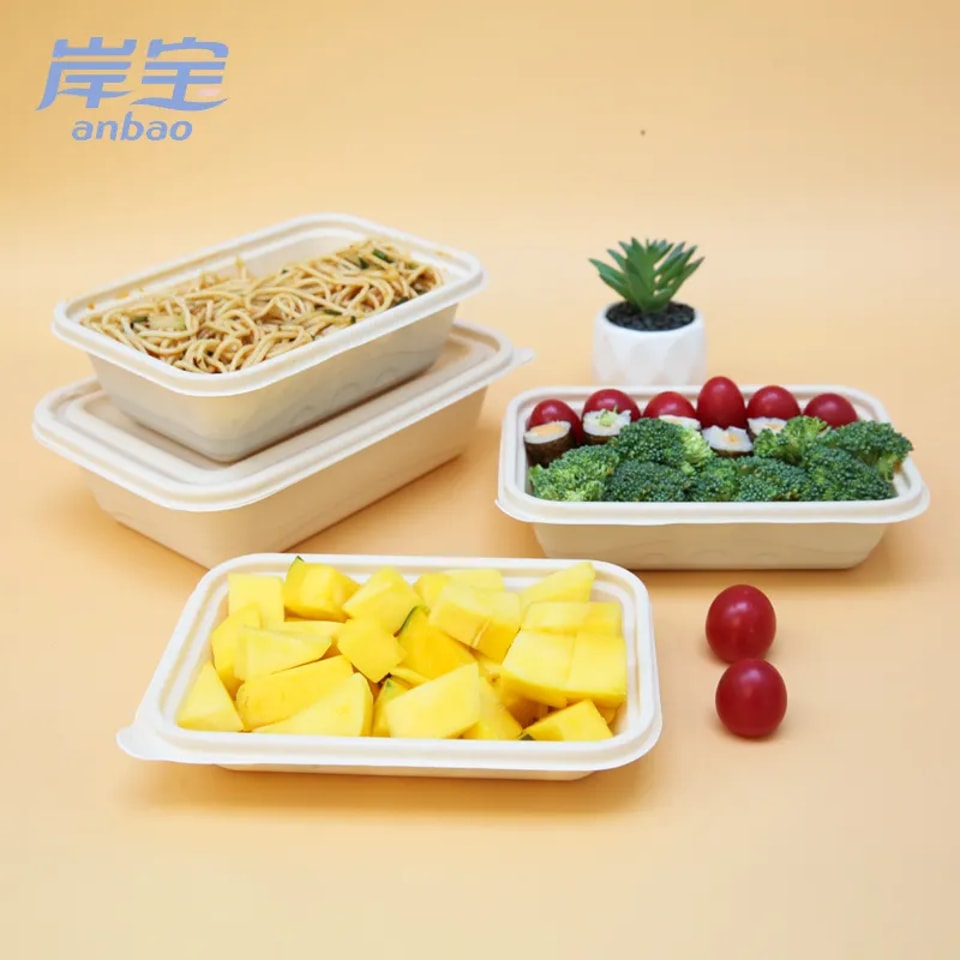
Choosing a disposable thickened kraft paper food container manufacturer is not simply a price comparison. The container must suit the food, perform reliably during service and delivery, and support the quality standards your business expects.
For restaurants, takeaway brands, foodservice distributors, and private-label buyers, the right supplier helps turn a packaging requirement into a repeatable purchasing solution. Start by defining the food application, then assess the manufacturer’s production capability, customization support, and quality process.
Why Choosing the Right Disposable Thickened Kraft Paper Food Container Manufacturer Matters
Food containers are expected to do more than hold a meal. They need to support filling, closing, stacking, transport, and customer use without creating unnecessary operational issues.
A container may look acceptable when empty but perform differently once it holds a hot meal, oily food, sauce, or a larger portion. For this reason, buyers should consider paper strength, container shape, lid fit, food temperature, and delivery conditions together.
The right manufacturer can help match the packaging format to the intended foodservice application. This is especially important when a business needs a coordinated range of paper cups, paper bowls, takeaway boxes, and food containers rather than a single item.
Anbao supplies paper-based packaging for foodservice and beverage applications, including paper cups, paper bowls, food containers, ice cream cups, popcorn tubs, and other customized packaging options. Our production system supports large-volume orders as well as project-based packaging requirements, with six production bases, a 20,000 m² Nanjing factory, annual capacity of 3 billion units, and monthly capacity of 70 million units at the Nanjing base.
Check Whether the Kraft Paper Food Container Supplier Has Real Manufacturing Capability
A dependable supplier should be able to deliver consistent products, clear communication, and practical support from sampling through delivery. Manufacturing capability becomes particularly important when an order involves custom dimensions, printed artwork, multiple SKUs, or recurring bulk supply.
Buyers should also review whether the supplier understands real foodservice operating conditions. A container intended for a retail display, a takeaway counter, or a delivery platform may require different dimensions, packing methods, and product combinations.
Anbo uses automated production and lean manufacturing processes to support stable output, flexible customization, and full-cycle service from inquiry and sampling through delivery and follow-up. Our packaging work covers prepared-food packaging, meal and beverage packaging, bakery packaging, and commercial packaging. Our packaging projects illustrate how specialized production and responsive supply can support high-volume customer requirements.
To compare formats for different foodservice needs, explore our paper bowl and container series, including round bowls, rectangular bowls, square bowls, food containers, soup bowls, and compostable food containers.
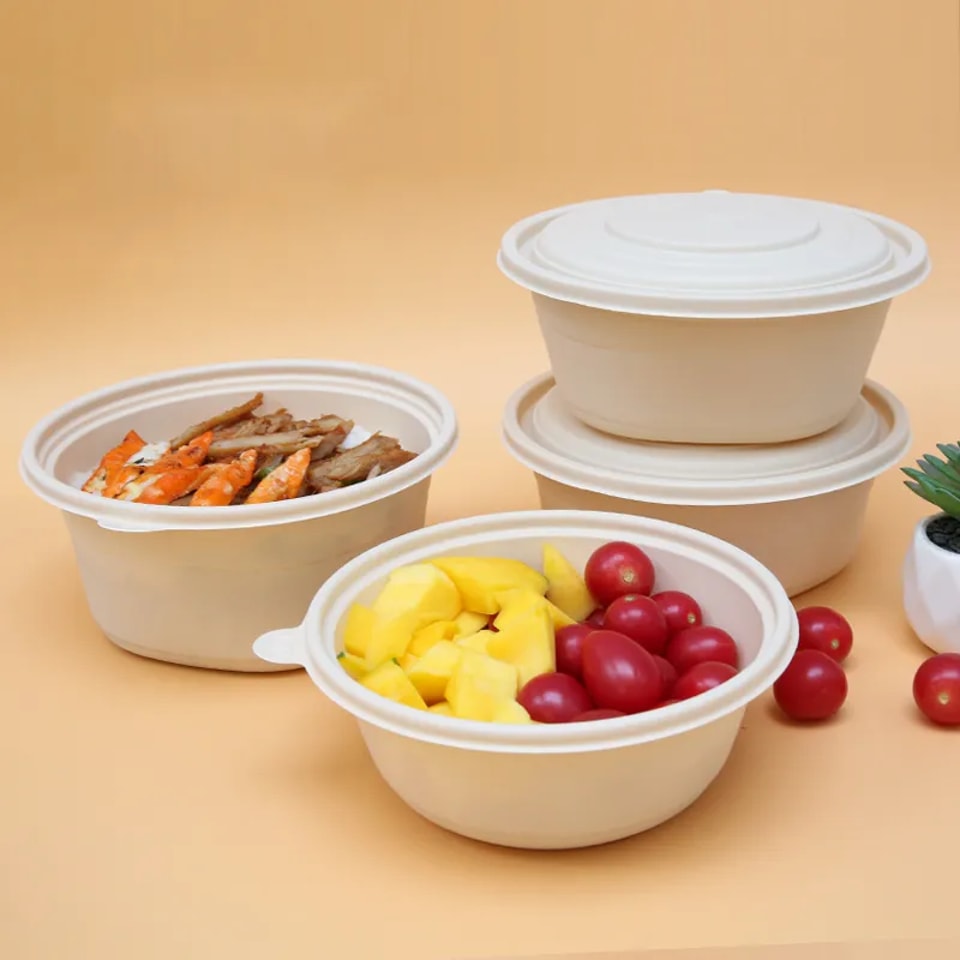
Evaluate Thickened Kraft Paper Food Container Material, Structure, and Load Strength
“Thickened” should be evaluated through actual product performance, not only by touch or appearance. The right container should match the expected food weight, filling temperature, moisture level, stacking condition, and handling process.
When comparing samples, focus on practical checks:
- Does the container maintain its shape when fully filled?
- Is the bottom stable during normal carrying?
- Do the sidewalls and folded areas remain firm after contact with hot food?
- Can the container be stacked without affecting meal presentation?
- Does the lid fit securely with the selected food portion?
Container shape also affects usability. Rectangular and square formats can be suitable for rice meals, bento, prepared lunches, and portioned foods. Round bowls may be a better match for noodle meals, soups, salads, and mixed dishes, depending on the selected capacity and lid design.
A proper sample test should reflect real use. Fill the container with the actual menu item, close it as staff would during service, stack it with other orders, and assess its condition after the expected delivery time.
For takeaway meals, prepared foods, snacks, and foodservice packaging, Anbao paper food containers support custom orders, wholesale supply, and sample-based evaluation. This approach allows buyers to review the selected format before confirming a larger purchase.
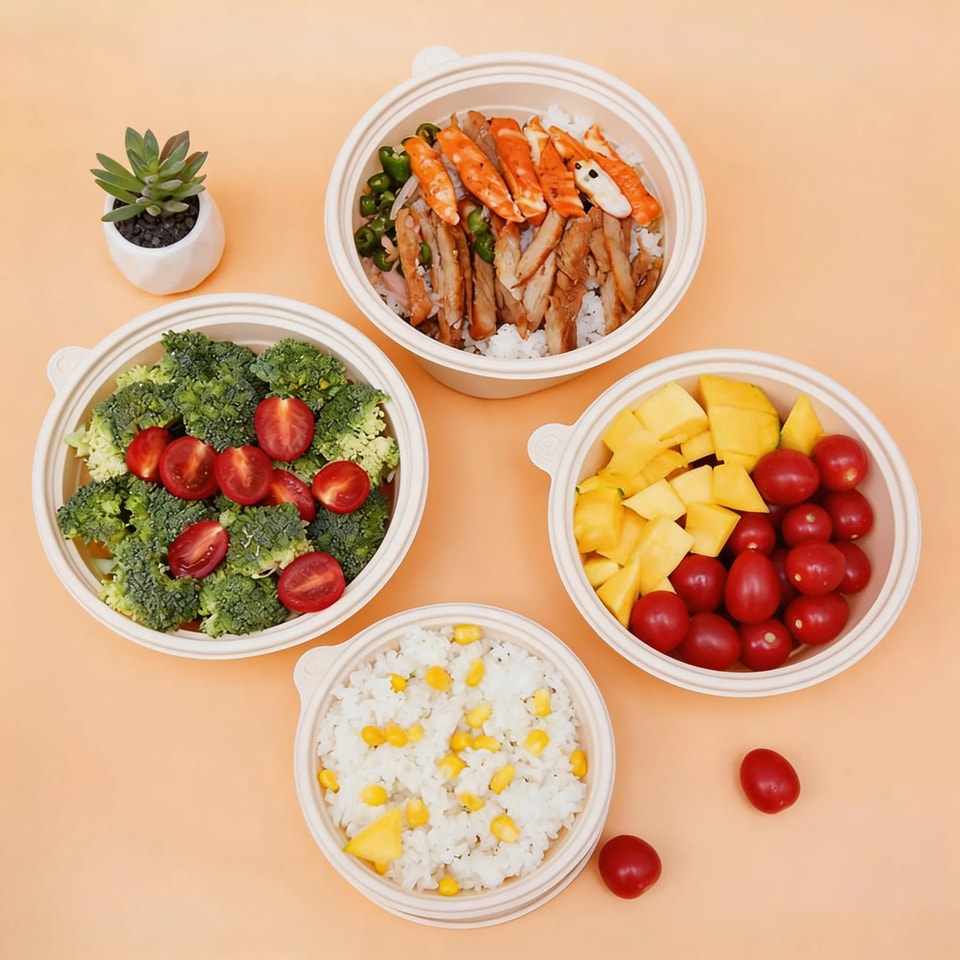
Match Disposable Kraft Paper Food Containers to Hot, Oily, and Saucy Foods
Food type should guide container selection from the beginning. A package suitable for dry rice may not be the right choice for soup noodles, curry, fried chicken, salad, or a meal with a high sauce content.
Start by identifying whether the food is dry, hot, oily, saucy, chilled, or liquid-rich. Then consider the expected serving size, holding time, transport distance, and whether a lid is required.Soup, curry, noodle dishes, and other liquid-rich meals should always be tested under real operating conditions. Testing should include normal filling temperatures, the intended lid, and the delivery process. This provides a more reliable result than inspecting an empty container.
For a menu-based approach to packaging selection, Biodegradable Take Out Containers by Menu Type outlines how paper bowls, food containers, and cups can be matched to rice meals, soups, salads, snacks, desserts, and beverages.
Verify Food-Contact Safety, Quality Control, and Sustainability Requirements
Food-contact packaging should be selected against clear technical and market requirements. Before requesting a quotation, buyers should explain what food will be packed, where the product will be sold, and what documentation their market requires.
A detailed sourcing brief should include:
- Food type and serving temperature
- Expected oil, moisture, sauce, or broth content
- Required capacity and container format
- Lid requirements
- Estimated order quantity
- Target market
- Branding or customization requirements
- Expected delivery schedule
Sustainability claims should be handled carefully. A kraft-paper appearance does not automatically define the complete material composition or disposal performance of a food container. If your project requires compostable, degradable, recyclable, or other environmental specifications, confirm the relevant product structure and documentation before approving samples or bulk production.
Anbao provides customizable food packaging options and holds BSCI, BRC, ISO, and FSC certifications. Clear product requirements help our team recommend suitable packaging options and provide a more accurate quotation.
Review Custom Printing, Sizes, Lids, and OEM Options for Kraft Food Containers
For restaurants, food brands, and distributors, food packaging also communicates the brand. A well-designed container can create a more consistent takeaway experience while helping distinguish products in a competitive market.
Custom options may include logo placement, color, patterns, container size, capacity, box or bowl format, lid selection, and private-label requirements. However, packaging design should be reviewed alongside functionality.
Before approving artwork, check the printed sample after the container is formed. Make sure key brand elements remain visible, colors are appropriate, and the artwork works around folds, seams, and closure areas. Then test the finished packaging with the intended food.
A clear OEM process usually begins with product requirements. After confirming the food type, capacity, quantity, and artwork, the next steps can include product recommendations, sample preparation, design confirmation, production scheduling, and shipment planning.
Anbao offers customization for logos, patterns, colors, and sizes. This gives foodservice brands and packaging distributors more flexibility when developing a coordinated range of takeaway packaging.
Compare Samples, MOQ, Lead Time, and Service Before Choosing a Food Container Manufacturer
Before placing a bulk order, compare suppliers on the basis of the same specification. A lower quotation may not represent the same container size, capacity, lid option, printing requirement, packaging method, or delivery term.
Samples should be tested with real food and normal workflow conditions. Review how the container performs during filling, closure, stacking, transport, and customer use.
For a faster and more accurate quotation, prepare a concise request that includes the food type, target capacity, preferred container shape, lid requirement, artwork, estimated quantity, destination market, and requested delivery date.
Choosing the right disposable thickened kraft paper food container manufacturer begins with a clear understanding of your foodservice application. Once the food, operating conditions, brand requirements, and supply plan are defined, it becomes easier to select a container that supports both daily service and long-term growth.
Anbao supports samples, customization, wholesale supply, and tailored packaging discussions for foodservice projects.
Solutions & Support
We go the extra mile to analyze your specific project in detail and offer a tailored business solution that meets your requirements.
Contact US
×Support order samples, customization, wholesale direct, and complete payment. If the product you look for does not have corresponding customized content, pls fill out the form below to contact us, and we will reply ASAP.
Go to Contact Form →