Biodegradable Take Out Containers by Menu Type: A Practical Guide for Foodservice Buyers
2026-08-20
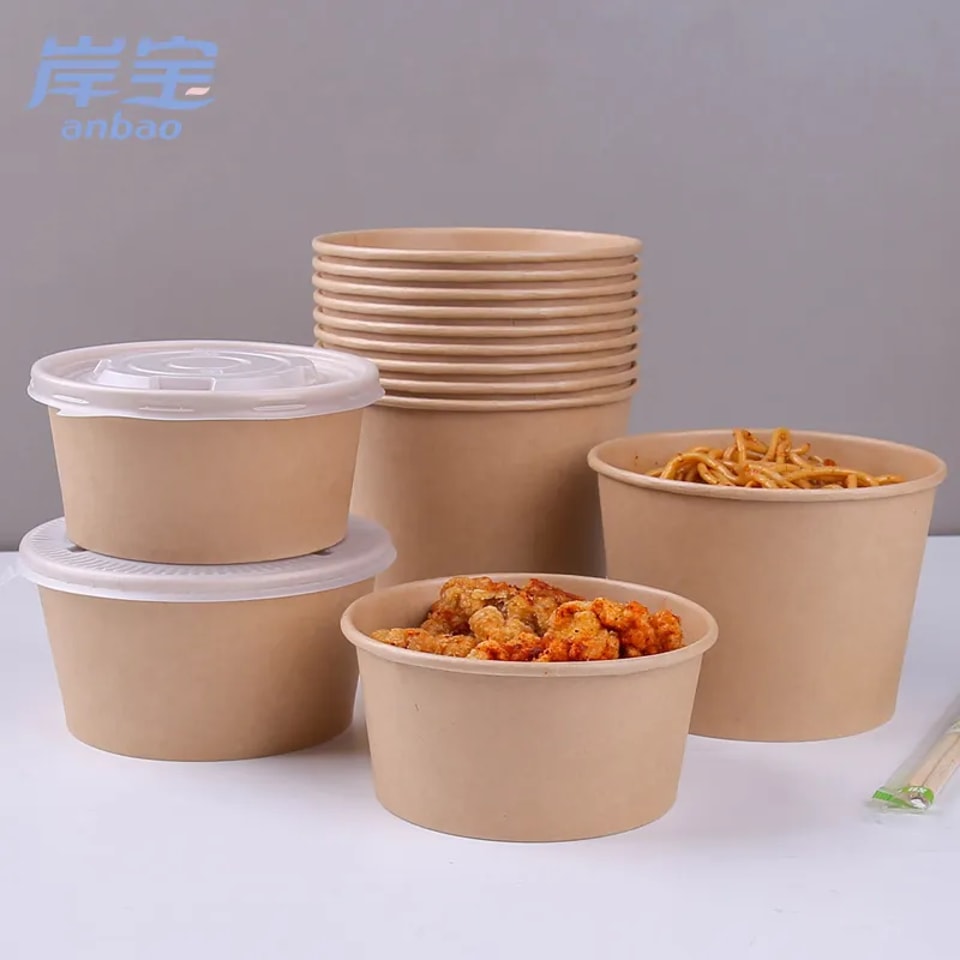
For foodservice buyers, biodegradable take out containers should be selected by menu use—not by a general sustainability claim alone. Rice meals, soups, salads, snacks, desserts, and drinks each create different requirements for capacity, closure, stacking, and delivery handling.
A practical packaging range connects paper bowls, food containers, cups, lids, and small-format packaging around real operating conditions. Anbao Environmental supplies paper-based packaging for restaurants, coffee shops, takeaway brands, beverage chains, distributors, and event suppliers. Its range includes paper cups, paper bowls, food containers, ice cream cups, and popcorn tubs.
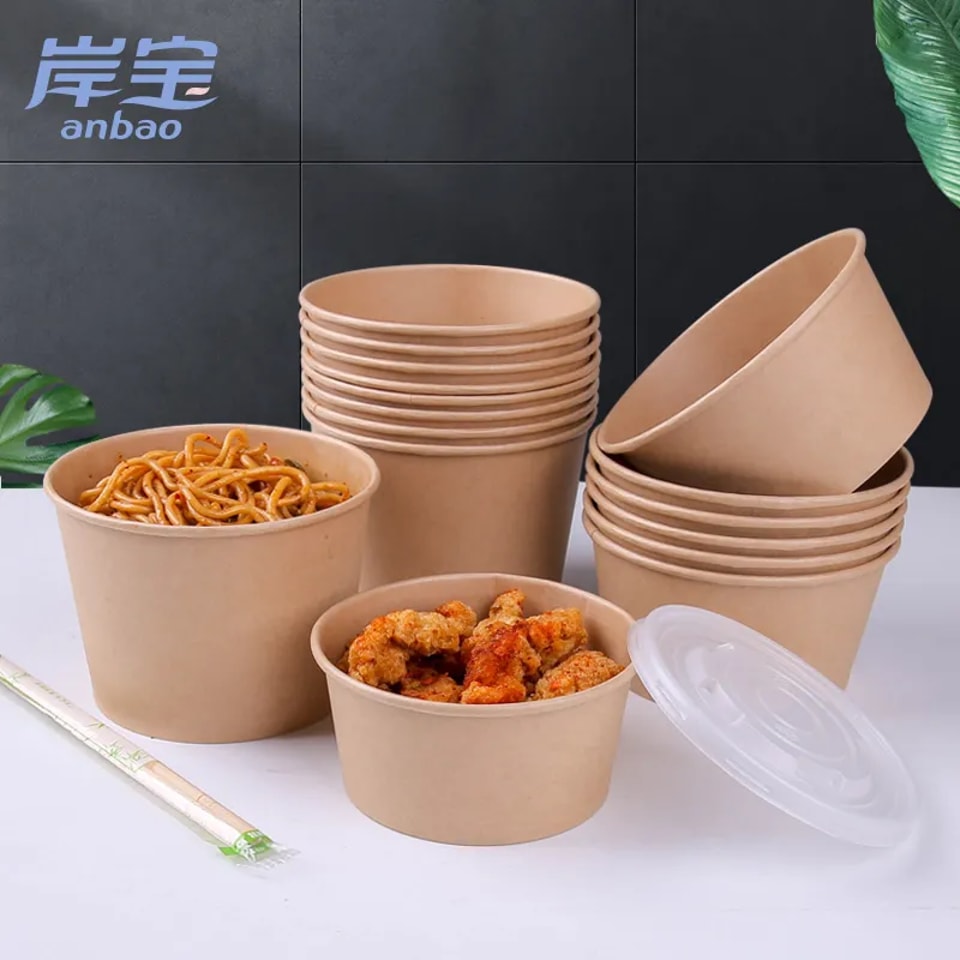
Choosing Biodegradable Take Out Containers by Menu Type
A takeaway container needs to perform through filling, sealing, stacking, transport, handover, and eating. Packaging selected only by price or appearance may not suit the dish or the delivery workflow.
The key question is simple: what does this package need to do for this particular menu item? A dry rice meal, a soup noodle order, and a chilled fruit salad should not automatically use the same structure.
A menu-first approach can also reduce unnecessary SKUs. Buyers can build a core range around main meals, liquid-rich dishes, cold foods, snacks, desserts, and beverages instead of sourcing unrelated products one at a time.
How Biodegradable Take Out Containers Support Delivery
The right format helps staff pack faster and helps customers receive food in better condition. Container shape, capacity, lid compatibility, fill level, stacking pressure, and expected delivery time should all be considered together.
Before bulk purchasing, test the proposed packaging with actual dishes, normal kitchen processes, and representative delivery routes. A sample that looks suitable in a meeting may behave differently during peak service or in a crowded delivery bag.
Start with a Menu Audit
Before sourcing containers, map every menu item sold through takeaway and delivery. Record the serving size, food temperature, sauce or broth volume, oil level, expected holding time, and typical delivery conditions.
Group dishes into practical categories:
- Dry and semi-dry main meals
- Soups, curries, and sauced dishes
- Noodles and bowl meals
- Cold meals, fruit, and salads
- Snacks, desserts, and side dishes
- Hot and cold drinks
Then review what happens after the order leaves the kitchen. Consider whether containers are stacked, whether hot and cold products travel together, and how long the average delivery takes. These conditions should guide product trials and purchasing specifications.
Main Meals: Paper Food Containers for Rice, Noodles, and Bento
Rice meals, bento, stir-fried noodles, grilled foods, and prepared lunches usually require formats that support portion control, quick filling, secure closure, and stable stacking. Rectangular and square containers can suit meals with a defined arrangement, while round containers may fit mixed bowl meals.
Before choosing a capacity, define the actual serving quantity and allow enough headspace for toppings, movement, and lid closure. A container that is technically large enough may still create a poor customer experience if it looks underfilled or is difficult to close at peak service times.
Anbao lists paper food containers for takeaway, fast food, bento, fruit salad, and prepared-food applications. Its product portfolio also includes round, rectangular, and square paper-bowl formats. Paper bowl and container solutions can be compared according to meal type, required capacity, and intended lid configuration.
Soups, Curries, Noodles, and Salads
Liquid-rich dishes need a dedicated selection process. Soup, curry, broth noodles, and sauced meals create different risks from dry food because fill level, lid fit, transport movement, and holding time become more important.
Buyers should confirm the maximum practical fill volume, the headspace needed for transit, the lid-to-bowl fit, and whether toppings should be packed separately. Testing should include the restaurant’s real cooking temperature, normal packing speed, and representative delivery route.
Round paper bowls may be considered for soup, noodles, rice bowls, salads, and other bowl-based menu items, depending on the selected specification. Anbao’s range includes round paper bowls and takeout soup-bowl options, as well as rectangular and square bowl formats for foodservice and takeaway use.
Do not assume that any paper bowl is suitable for every soup or sauce-based meal. Use samples and controlled delivery tests to confirm compatibility with the food, lid, fill level, and service process.
Cold Meals, Fruit, and Light Food
Cold menu items have their own packaging requirements. Salads, fruit portions, yogurt-based meals, chilled desserts, and light lunches may be affected by dressing, condensation, topping separation, and the need to maintain a fresh presentation.
For salads, decide whether dressing is packed inside the container or supplied separately. For fruit and chilled dishes, assess whether the selected capacity prevents food from becoming crowded, crushed, or visually untidy during transport.
A standardized range can simplify operations for cafés, quick-service brands, and ready-to-eat food retailers. Using a smaller number of appropriate sizes for salads, fruit, light meals, and desserts can improve staff familiarity and reduce purchasing complexity.
Anbao publicly presents paper food containers for fruit salad, takeaway meals, and prepared food. Product suitability should still be confirmed for the buyer’s storage conditions, local market requirements, and expected delivery duration.
Snacks, Desserts, and Side Items
Small formats are easy to overlook when designing a takeaway packaging system. However, popcorn, fries, side dishes, dips, desserts, and ice cream all contribute to the customer’s impression of the order.
Choose these formats based on portion size, ease of access, grease or moisture exposure, and whether they travel with a main meal. A consistent range does not mean using one package for everything; it means ensuring that each item has a clear place in the overall packaging plan.
Anbao’s public product categories include popcorn tubs, ice cream cups, paper bowls, paper food containers, and compostable food-container options. These categories can help procurement teams map packaging coverage across main meals, side items, snack portions, and desserts.
Beverage Packaging Should Be Part of the Plan
Food and drinks are often ordered together, so cup selection should not be treated as an isolated procurement task. A coordinated food-and-beverage packaging range can simplify ordering, support a consistent visual identity, and make store packing routines clearer.
Start with the beverage itself. Hot coffee and tea, iced drinks, juice, milk tea, and ice cream each require different considerations for cup type, capacity, temperature, and lid arrangement.
Anbao’s paper cup series includes single-wall, double-wall, ripple-wall, cold-drink, kraft paper, and ice cream cups. Its product listings also reference PE, PLA, and aqueous coating options for selected cup applications.
When preparing an enquiry, buyers should state the beverage type, serving size, intended use, target market, coating preference, and any applicable compliance requirements. This allows the supplier to discuss product options against a defined use case.
Turn Menu Requirements into a Sourcing Brief
A clear sourcing brief leads to more useful quotations and samples. Instead of requesting only “biodegradable containers,” provide specific information about the intended application.
Include:
- Menu item and food characteristics
- Serving capacity and fill level
- Hot, cold, dry, oily, sauced, or liquid-rich use
- Preferred shape and lid requirement
- Logo, artwork, color, and print specifications
- Target market and expected order quantity
- Sampling requirements and delivery timeline
Anbao states that it supports custom logos, patterns, colors, sizes, and private-label packaging. It also asks quotation enquiries to include product type, capacity, material or coating preference, estimated quantity, artwork, destination country, and required delivery schedule.
Customization should be planned as an operational specification, not only a design request. Artwork should work across cups, bowls, and containers, while product sizes should reflect real portions and store-level packing needs.
Test Before You Standardize
Before launching a new range across multiple locations, test representative products with real dishes and normal store processes. Include peak-service packing, stacked orders, typical delivery times, and customer handling after arrival.
Evaluate whether the container supports efficient filling, secure closure, practical carrying, and an acceptable eating experience. If needed, adjust capacity, shape, lid format, or the number of active SKUs before wider implementation.
The right packaging is chosen from the meal outward. When biodegradable take out containers, paper bowls, food containers, snack formats, and beverage cups are matched to menu requirements, foodservice buyers can build a more practical and consistent packaging system.
For takeaway and delivery applications, explore paper food containers and test selected formats against your own menu, store processes, and delivery workflow.
Solutions & Support
We go the extra mile to analyze your specific project in detail and offer a tailored business solution that meets your requirements.
Contact US
×Support order samples, customization, wholesale direct, and complete payment. If the product you look for does not have corresponding customized content, pls fill out the form below to contact us, and we will reply ASAP.
Go to Contact Form →