What to Ask a Supplier Before Ordering Disposable Coffee Cups with Company Logo
2026-09-11
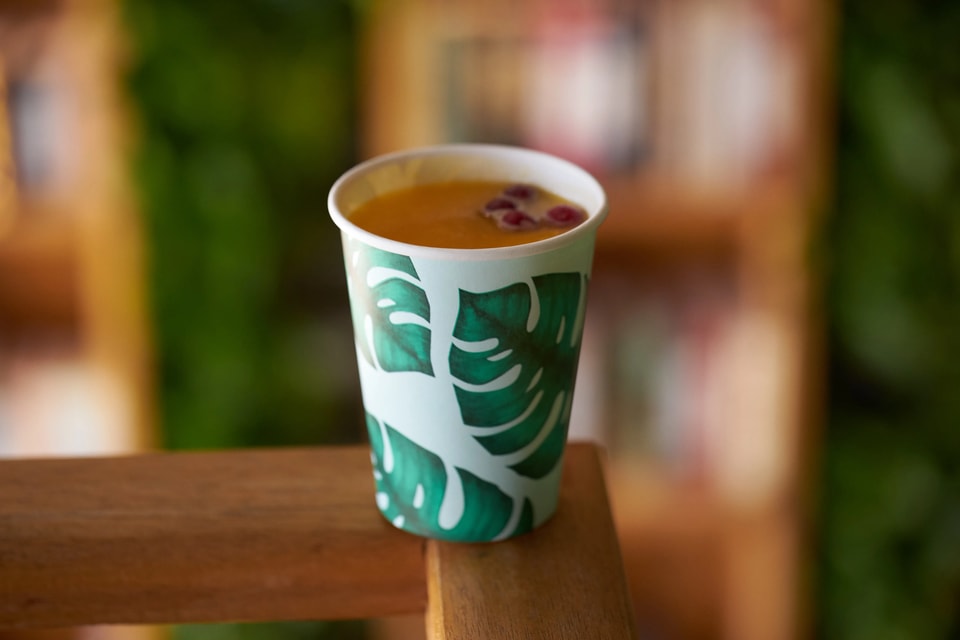
For coffee shops, beverage chains, restaurants, caterers, and takeaway operators, a branded cup is more than a container. It carries a hot or cold drink, supports the pace of service, and places a company’s identity in customers’ hands. That is why ordering disposable coffee cups with company logo requires more than choosing a size and uploading artwork. The cup structure, material configuration, print execution, quality controls, and delivery plan all need to work together.
At Anbao, custom paper cup programs are developed around real foodservice requirements. Our paper cup series includes single-wall cups, double-wall cups, ripple cups, and cold-drink cups, with custom logo, pattern, color, and size options. Before placing an order, the questions below help purchasing teams turn a packaging idea into a clear, workable specification that can support daily service and repeat supply.
Why Branded Coffee Cups Need More Than a Good-Looking Logo
Your coffee cup represents the brand at every handover
From the counter to the delivery bag, a branded disposable cup is visible throughout the customer journey. It needs to look consistent with the brand while remaining suitable for the beverage, the serving temperature, and the way customers carry it. A well-planned cup supports a cleaner presentation at the point of handover and gives staff a more reliable packaging format during busy periods.
Small specification gaps can become larger service problems
A cup that appears suitable in a catalogue may behave differently when it is filled, fitted with a lid, carried across a store, or placed into a takeaway order. If the structure, coating, lid, or print layout has not been confirmed for the intended use, minor gaps can lead to avoidable operational issues. Defining the drink type, capacity, serving temperature, logo artwork, expected order volume, destination market, and delivery timing at the beginning makes the sourcing process more dependable.
Build the brief before comparing suppliers
A detailed brief gives suppliers the information needed to prepare a relevant proposal. It also allows procurement teams to compare quotations on the same basis: cup structure, paper and coating configuration, print requirements, packing method, sample plan, lead time, and delivery terms. In practice, this clarity protects both the visual quality of the finished cup and the efficiency of the ordering process.
Which Disposable Coffee Cup Structure Fits Your Service?
Single-wall cups for straightforward beverage service
Single-wall paper cups can be a practical choice for coffee, tea, and other beverage programs when the service model is clearly defined. Before selecting this format, consider the drink temperature, expected holding time, whether customers usually consume drinks quickly, and whether sleeves form part of the service routine. These details help determine whether a simple cup construction fits the customer experience you want to provide.
Double-wall and ripple cups for hot-drink comfort
For hot takeaway beverages, the cup should be assessed not only by capacity but also by how it feels in the hand. Double wall paper cups add an outer paper layer to the cup structure and can be considered where a more insulated grip is needed. Ripple cups use a textured outer layer and offer another format for hot-drink service. The right choice depends on the beverage temperature, service duration, lid arrangement, and whether the business wants to use a separate sleeve.
Cup size and lid fit should be confirmed together
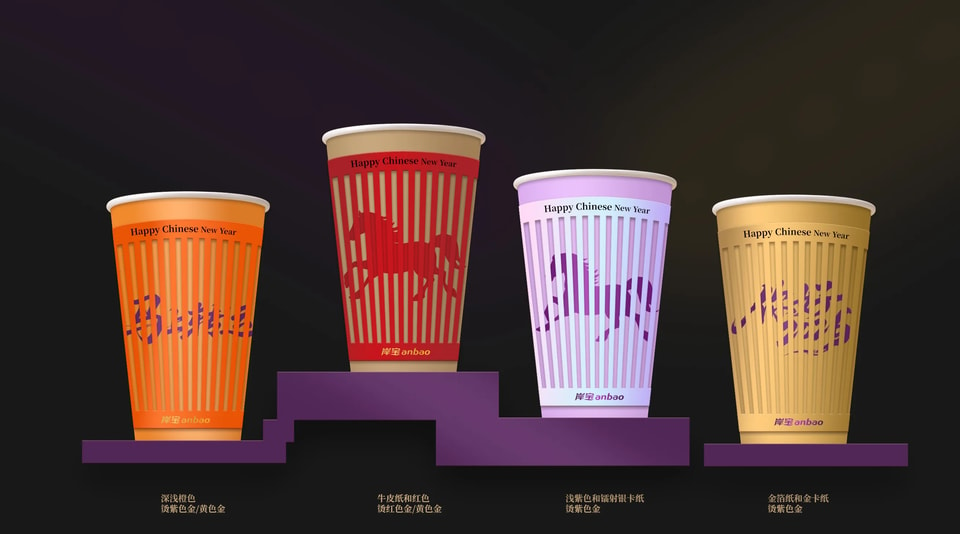
A coffee cup works as part of a complete serving system. Capacity, practical fill level, top diameter, cup height, base shape, rolled rim, and lid fit should be reviewed as one combination. Testing the selected cup with the actual lid avoids approving separate components that do not perform as expected once they are used together in a live service environment.
What Should You Confirm About Paper, Coating, and Food Contact?
Choose materials around the drink and the service conditions
The paperboard and barrier configuration should match the drink and the way it will be served. Hot drinks, cold beverages, holding time, condensation, and takeaway handling can all affect the appropriate specification. Anbao offers paper cup options with PE, PLA, and aqueous coatings, so the discussion can begin with the operating conditions of the beverage program rather than a broad material label alone.
Ask for documents that match the exact cup specification
Food-contact documentation should be reviewed in relation to the selected cup, its coating, the intended application, and the destination market. When evaluating documents, buyers should confirm that they are current, identify the correct manufacturing entity, and apply to the product configuration being ordered. This approach gives internal quality and compliance teams a more practical basis for review.
Confirm how material consistency is managed from order to order
For branded foodservice packaging, material consistency contributes to consistent performance and presentation. Ask how materials are identified through production, how batches are recorded, and what information can be provided for internal purchasing or quality documentation. These conversations are especially valuable for chains, distributors, and brands planning scheduled repeat orders across multiple locations.
How Will Your Company Logo Look on the Finished Cup?
Logo placement needs to work with the cup shape
A paper cup is a formed product, not a flat sheet. The seam, curved surface, rim area, and base construction all influence where a logo, campaign message, or legal text should be placed. A productive artwork review uses the correct cup template and sets safe areas that protect the readability and balance of the design after cup forming.
Artwork approval should happen before mass production
The approved artwork should identify the design version, print placement, color expectations, wording, and relevant visual details. A printed sample gives brand, procurement, and operations teams a shared point of reference before production begins. It also helps prevent late-stage changes that can affect production planning or launch timing.
Plan for repeat orders while the design is being created
Good cup artwork should remain practical across future orders. Consider whether the design will be used on more than one capacity, adapted for seasonal promotions, localized for different markets, or applied across a franchise or distributor program. Planning these details early makes it easier to manage artwork versions and maintain a coherent branded packaging range over time.
What Should a Coffee Cup Sample Be Tested For?
A sample should be tested with the actual drink
Visual approval is important, but it is not enough on its own. The selected cup should be filled with the beverage it is intended to carry, paired with the specified lid, and held for the normal service period. This makes the sample review relevant to everyday use rather than a desk-based design check.
Test handling, lid security, and carrying conditions
A useful sample trial follows the route of a real order: filling the cup, securing the lid, carrying it by hand, placing it into a takeaway bag, and observing how the cup performs during normal movement. The rim, seam, outer surface, cup body, lid fit, and stackability should be assessed against the conditions staff and customers are likely to encounter.
Agree on the final sample before confirming the production order
The final sample should become the shared reference for the cup structure, chosen material configuration, artwork, print position, color expectation, and packing details. Recording these approval points before the purchase order is released creates a clearer foundation for production and for quality inspection before shipment.
How Does Anbao Keep Custom Coffee Cup Orders Consistent?
Quality control begins with a clear product specification
Consistency begins before production. The cup format, size, coating, print artwork, lid compatibility, and carton configuration should be aligned with the beverage application and recorded as part of the order requirements. This helps ensure that the production team, purchasing team, and customer are working toward the same finished-product standard.
Production checks should protect both performance and presentation
For a branded cup, quality includes both use performance and visual execution. Forming quality, print appearance, packing condition, and batch identification all deserve attention because each one affects how the cup is received, stored, and used in foodservice. Lean digital manufacturing supports more structured production management across different packaging applications.
Certifications should be reviewed in the context of the order
Anbao’s manufacturing and quality framework includes BSCI, BRC, ISO, and FSC-related certification systems. For any particular order, the appropriate documents should be reviewed against the selected material, cup specification, and destination-market requirements. This gives buyers a more meaningful way to connect supplier documentation with their own foodservice procurement process.
What Should Be Included in the Quote and Delivery Plan?
Make sure every quotation covers the same order details
A useful quotation identifies the cup type, capacity, paper and coating configuration, printing requirement, order quantity, packing format, sample arrangement, production lead time, and delivery terms. Once these points are aligned, buyers can assess commercial options with a clearer understanding of what is included and what still needs to be confirmed.
Confirm custom-logo MOQ and future reorder arrangements
Custom-logo programs have different planning needs from standard-stock purchases. Confirm the minimum order quantity, sample arrangement, artwork setup, expected production schedule, and repeat-order process before finalizing the first order. These details are particularly important for new store openings, promotional campaigns, and businesses that need to coordinate packaging arrivals with menu or brand launches.
Packaging and shipping details deserve early attention
Carton counts, carton markings, pallet requirements, delivery method, export documents, and agreed Incoterms should be discussed early in the process. A clear shipment plan helps receiving teams prepare storage space, supports inventory planning, and reduces the chance that packaging logistics disrupt an otherwise well-prepared service launch.
A Clear RFQ Helps You Buy Disposable Coffee Cups with Company Logo
The product questions to include in every inquiry
Your request for quotation should state the beverage application, cup structure, capacity, material and coating preference, lid requirement, artwork status, sample request, estimated quantity, and destination market. With this information, Anbao can help shape a custom coffee cup configuration around the actual requirements of your foodservice operation.
The quality and compliance questions that should not be skipped
Request the documents relevant to the chosen cup and destination market, and discuss the quality-control and sample-approval process before an order is placed. The most useful review connects documents, product details, and intended application, helping procurement teams move forward with a more complete understanding of the selected packaging solution.
The commercial questions that protect your launch schedule
Minimum order quantity, quotation validity, production lead time, packing method, shipping terms, and reorder planning all influence whether cups arrive in time for a store opening, menu update, campaign, or seasonal program. Addressing them during the RFQ stage gives the supply plan more room to operate smoothly.
Choose Custom Coffee Cups That Work Beyond the First Order
Select a supplier around fit, control, and long-term usability
The most suitable disposable coffee cups with company logo support more than the first order. They should fit the drink, the customer experience, the brand design, and the operational needs of repeat purchasing. When the specification is clear and the sample has been tested in real conditions, procurement teams can move from price comparison to a more confident supply decision.
Build a broader branded foodservice packaging range with Anbao
Anbao provides paper-based packaging for coffee, beverages, foodservice, takeaway, and distribution applications, including paper cups, paper bowls, food containers, and compostable packaging solutions. Our paper food packaging projects show how packaging structure and custom requirements can be developed for practical foodservice applications. For example, Anbao developed a top-and-bottom rolled double-wall insulated cup for BP’s coffee application; the project page reports an outer-wall temperature of 65°C when the cup was filled with 100°C hot water, and notes that the design eliminated the need for a separate sleeve in that application.
For foodservice buyers seeking a practical custom-logo coffee cup program, the next step is to define the service conditions, prepare the artwork, request a specification-based quotation, and approve samples that reflect real daily use. This creates a stronger starting point for a branded packaging solution designed to support both current operations and future orders.
Solutions & Support
We go the extra mile to analyze your specific project in detail and offer a tailored business solution that meets your requirements.
Contact US
×Support order samples, customization, wholesale direct, and complete payment. If the product you look for does not have corresponding customized content, pls fill out the form below to contact us, and we will reply ASAP.
Go to Contact Form →