How to Choose a Compostable Ice Cream Cup Manufacturer in China: A B2B Buyer's Checklist
2026-08-20
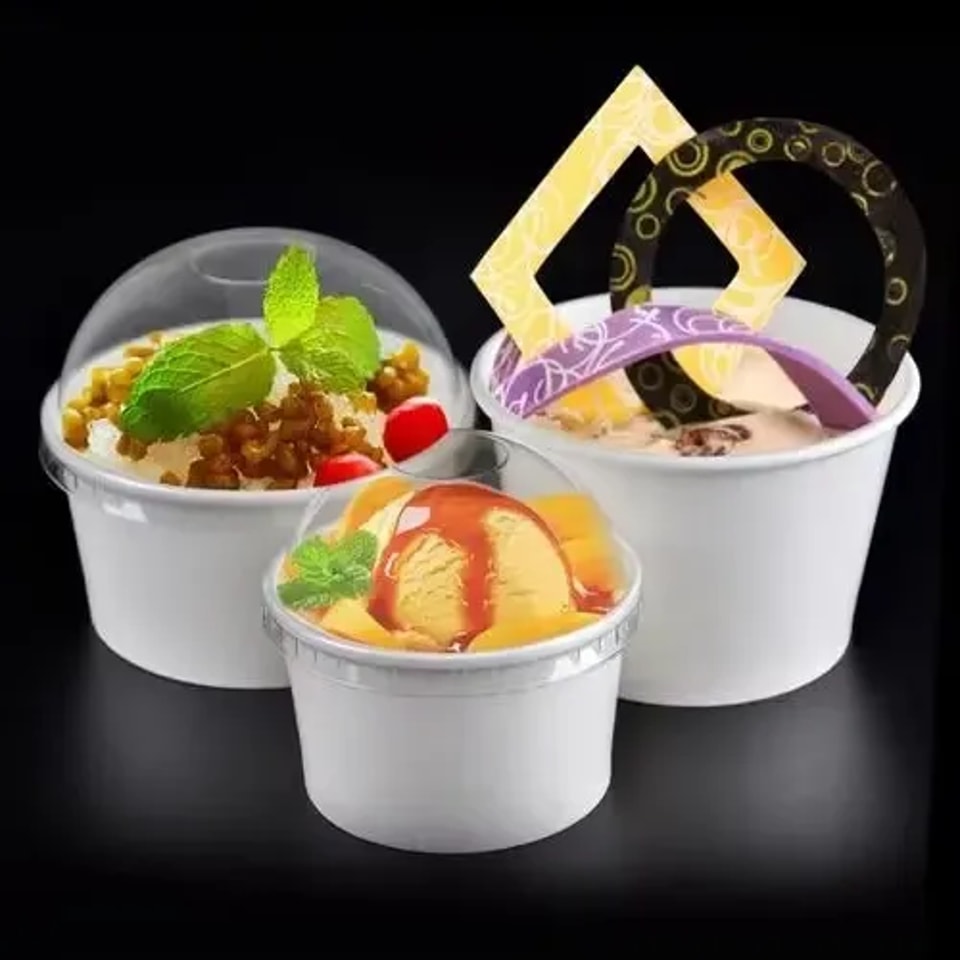
For ice cream, gelato, frozen yogurt, and dessert brands, choosing a compostable ice cream cup manufacturer in China is more than a price comparison. The cup has to survive cold storage, condensation, melting product, stacking, and delivery — while also meeting your food-contact, branding, sustainability, and supply-chain requirements.
The smart way to buy is to start from your own product requirements, translate them into measurable specifications, validate samples under real conditions, and only then compare commercial terms. That way your procurement team evaluates suppliers against a defined packaging brief instead of a quote alone.
Start With the Serving Scenario
Before you specify a material or request a quote, define how the dessert is actually served. A single-scoop takeaway program needs a compact, fast-serve, easily stacked cup. Gelato often calls for a more premium finish. Frozen yogurt adds topping weight and a longer dwell time at the counter. Delivery orders face vibration, melt, temperature swings, and a greater need for a secure lid.
Build your brief around these variables:
- Dessert type — ice cream, gelato, frozen yogurt, sundae, parfait, or another chilled dessert
- Portion size — net fill volume, freeboard for toppings, and expected scoop size
- Service format — dine-in, grab-and-go, retail freezer, catering, self-pickup, or third-party delivery
- Storage and holding — freezer exposure, chilled hold time, and time after filling
- Lid requirement — none, flat lid, dome lid, paper lid
- Brand requirements — plain stock, one-color logo, full-wrap print, seasonal artwork, or multi-market design
- Market destination — the country or region where food-contact and environmental claims will be made
These details change the right specification. A small single-scoop takeaway cup should not be judged by the same criteria as a large topped dessert container moving through a delivery network.
Identify Cold-Use Failure Risks Early
Cold desserts pose a different technical challenge than hot drinks. The most common failure modes include:
- Condensation on the outer wall
- Moisture wicking at the paper edge
- Loss of rigidity after prolonged contact with melted product
- Seam leakage
- Poor lid fit
- Deformation during stacking
Test samples the way customers actually use them. Fill cups with your dessert, hold them for the expected service window, simulate melting, stack them, apply the intended lid, and place filled units into your real delivery bag or secondary packaging. Watch for:
- Does the cup stay stable?
- Is the rim still comfortable to hold?
- Does the lid stay secure?
- Does product leak at the seam or the base joint?
Understand Materials — and What "Compostable" Actually Means
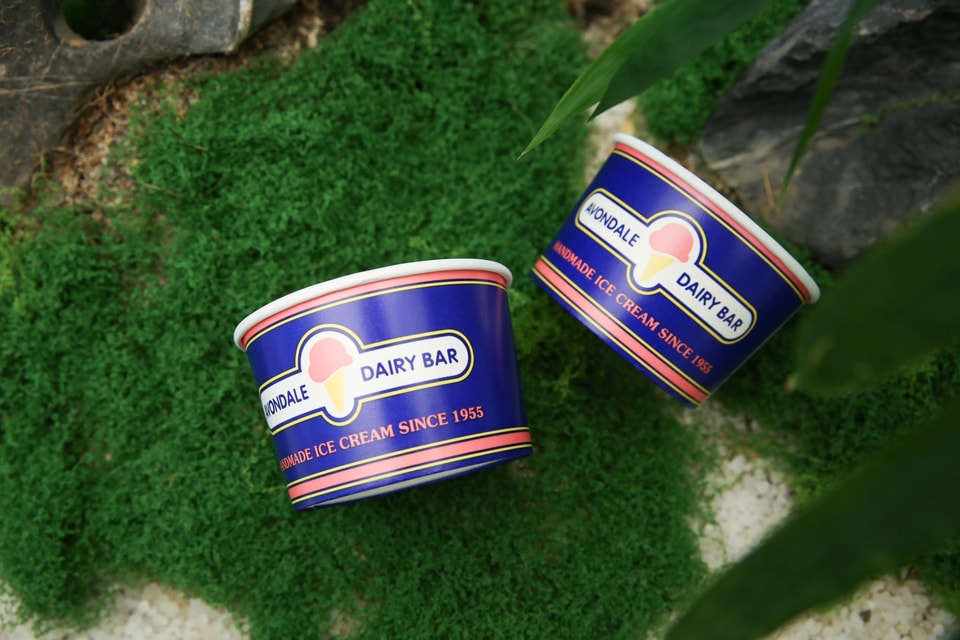
Paperboard gives a dessert cup its structure and printable surface, but the barrier layer is what delivers moisture resistance and performance. Evaluate the board and coating system together, not as separate line items.
Common barrier options include PE , PLA, and aqueous coating, available across single-wall, double-wall, ripple-wall, cold-drink. The takeaway for procurement: material choice should follow the final application, not a one-size-fits-all "eco cup" request.
Don't Treat "Compostable" as a Generic Label
A compostability claim has to be verified against the actual material structure, the relevant certification, the sales market, and the waste infrastructure that actually exists there. A cup described as biodegradable, recyclable, or compostable may not mean the same thing in every jurisdiction or processing environment.
Ask every shortlisted supplier to clarify:
- The cup's paperboard and barrier-layer composition
- Whether the lid or other components use different materials
- The conditions under which the complete product is intended to compost (industrial facility, home compost, which standard)
- Which certificates, test reports, or declarations support the claim
- Whether the evidence covers the exact product configuration you're ordering
- How the claim should be worded for your target market
Don't build retail messaging around a broad sustainability statement until your legal, compliance, and packaging teams have verified the evidence. Responsible sourcing isn't about using the strongest environmental phrase — it's about making claims you can substantiate. In the EU and US, unsubstantiated environmental claims carry real regulatory risk.
Compare Coating Options by Use Case
Assess PE, PLA, and aqueous barriers through four linked questions: product performance, compliance, environmental positioning, and cost.
- PE coating cups are widely used where moisture resistance and stable performance matter most.
- PLA coating can support plant-based material strategies, but confirm the disposal conditions — it does not compost in every environment.
- Aqueous coating systems may help brands reduce plastic content, but you still need to validate finished-cup performance, material documentation, and local recovery or disposal compatibility.
The right choice depends on your dessert, service time, and market — not the coating name. When evaluating any supplier, examine wall thickness, rigidity, seam integrity, leak resistance, lid compatibility, stackability, print clarity, and surface finish.
Verify Food Safety and Documentation Up Front
For cross-border foodservice procurement, food-contact documentation should be a gate before the bulk order — not an afterthought after artwork is approved.
Request a documentation package that links material, product model, and target market. At minimum, the supplier conversation should cover the cup specification, materials, intended temperature conditions, relevant food-contact reports or declarations, batch traceability, and any sustainability evidence used in marketing.
Separate Factory Systems From Product Evidence
A factory certificate matters, but it doesn't automatically prove every cup configuration meets every market's requirement. Distinguish between:
- Factory-level quality and safety management systems
- Product-specific material data and technical specifications
- Third-party food-contact reports or declarations
For example, a supplier certified under BSCI, BRC, ISO, and FSC frameworks demonstrates system-level capability — but during due diligence, request the latest certificates and verify validity periods, issuing bodies, and the extent to which they cover the specific factories and products you're buying.
Evaluate Cup Design, Lids, and Printing Together
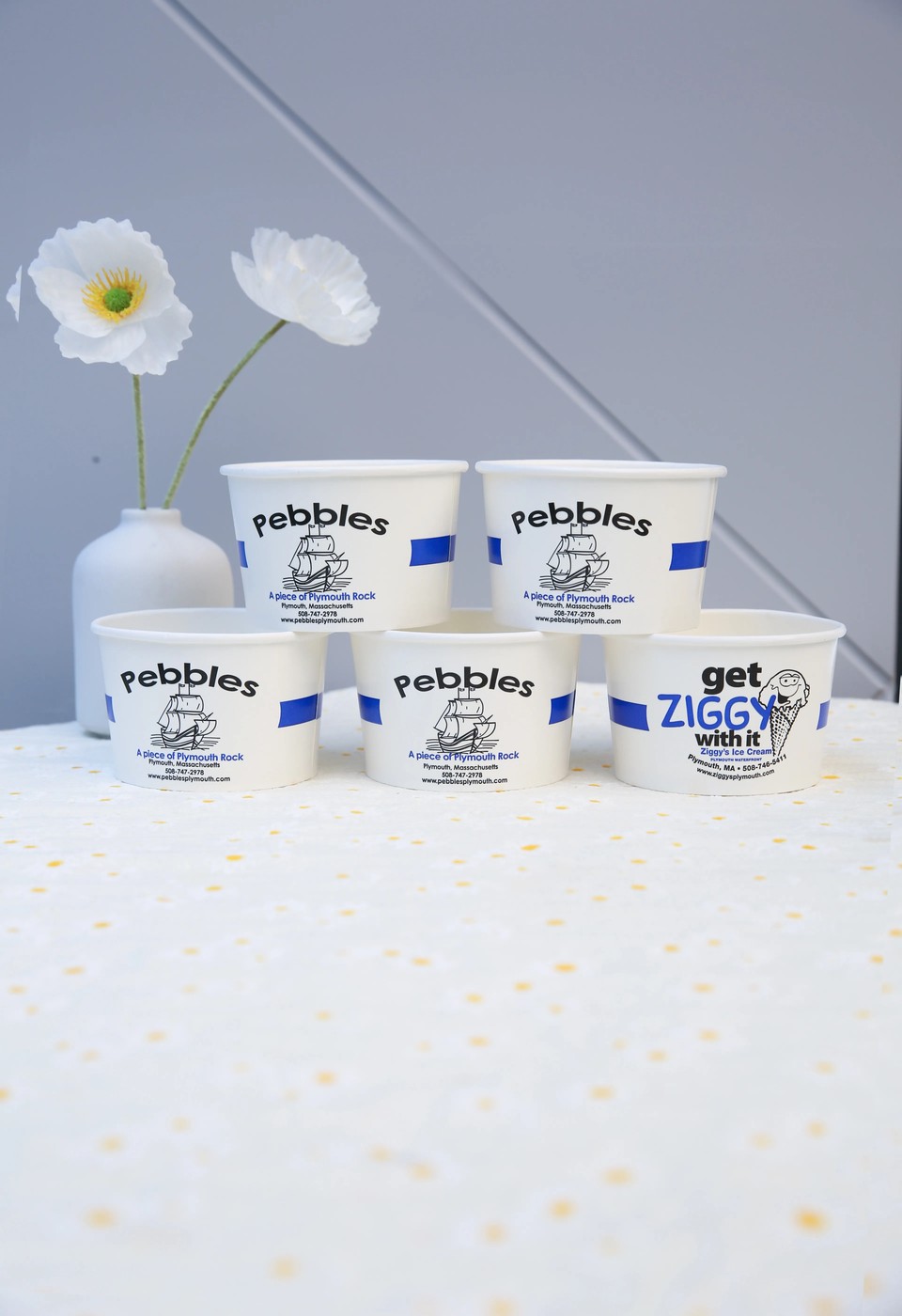
The cup alone doesn't define the consumer experience. A reliable dessert packaging system combines cup body, rim, lid, print finish, stackability, secondary packaging, and delivery handling.
For takeaway ice cream, specify the cup-mouth-to-lid relationship from the start and test fitted components together — not separately. A lid that looks fine on an empty cup can behave differently once the cup is filled, chilled, stacked, or dropped into a delivery bag.
Translate Branding Into Clear Specs
For chains, franchises, and branded concepts, packaging is a high-visibility brand asset. A printed paper cup should reproduce logos, colors, typography, and artwork consistently across stores and reorder cycles.
Your artwork brief should state print colors, required files, placement zones, acceptable color tolerance, finish preferences, and approval stages. Don't jump from a digital proof to a full run when brand precision matters — approve a physical pre-production sample under normal lighting and compare it against approved brand assets.
Where possible, work with a supplier whose range covers related formats (ice cream cups, drink cups, bowls, food containers). That helps a foodservice group build a consistent packaging system and simplifies supplier coordination.
Assess the OEM Process, MOQ, and Sampling
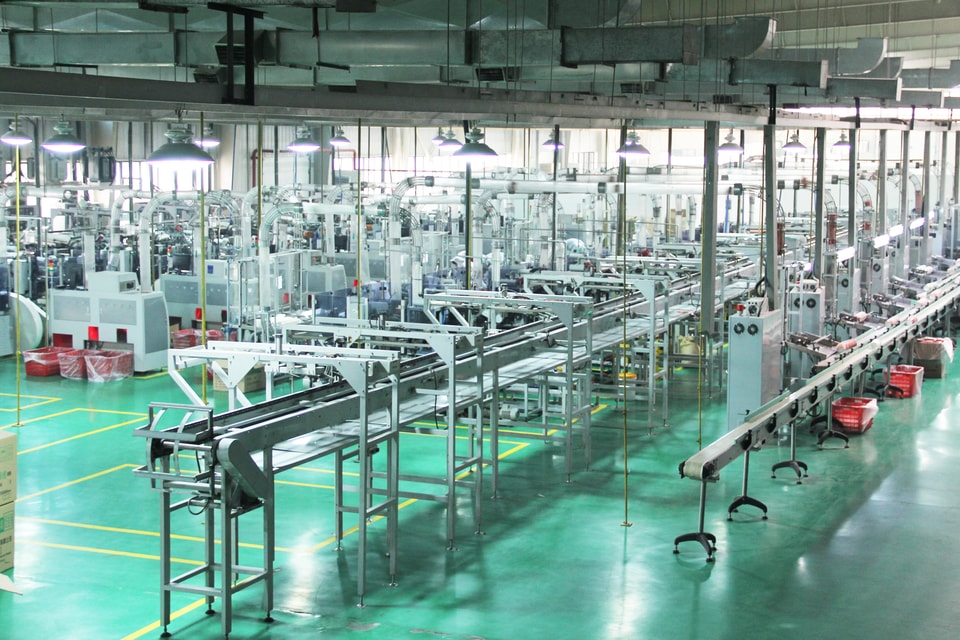
A strong supplier response starts with a strong brief. Give the manufacturer enough to propose the right structure and quote accurately. When comparing a compostable ice cream cup manufacturer in China, weigh sampling responsiveness, customization accuracy, and repeat-order controls alongside MOQ and price.
Your RFQ should include:
- Cup type and size
- Rim diameter
- Desired material or coating
- Lid requirement
- Projected quantities
- Artwork status
- Destination country
- Expected delivery window
- Required documents
Make Sampling Mandatory
Physical sampling is the bridge between a promising quote and a dependable supply relationship. Evaluate rigidity, seam condition, lid fit, print quality, stackability, and condensation performance. For delivery, run a simple route simulation with your real bag, carrier, or carton.
Document the results: sample version, test conditions, defects observed, corrective actions, and the approved final spec. That documentation sharply reduces the risk that mass production differs from the sample you validated.
How to Assess a Manufacturer's Operational Capability
Ability to ship a first order is different from ability to support a multi-market dessert program across repeat orders, peak seasons, and design changes. Ask how the supplier manages capacity, production scheduling, raw-material availability, quality inspection, and non-conformance handling.
Practical questions:
- What are typical lead times for samples, standard products, and custom printing?
- How are seasonal demand spikes handled?
- Which quality checks occur at incoming material, printing, forming, packing, and shipment?
- How are production batches identified and traced?
- What happens if a quality issue surfaces after delivery?
- How are repeat-order artwork versions controlled?
Review Project Experience
Public project records can be a useful starting point — especially when they show audited relationships and documented quality practices. For example, Anbao has, since 2008, passed Coca-Cola Company reviews and been authorized to manufacture Coca-Cola paper cups in China, and passes Coca-Cola technical audits and third-party SGP assessments annually. Indicators like these reflect execution capability, but buyers should still review documentation independently, run sample testing, and complete a full commercial assessment of the supply program.
Conclusion: Source With Evidence, Then Scale With Confidence
A suitable compostable ice cream cup should perform reliably in your actual dessert service environment — not just look right in a catalog. Define measurable requirements for materials, cup structure, lids, printing, and compliance, then validate them with physical samples before scaling.
B2B Buyer's Checklist (Quick Reference)
- Serving scenario and portion size defined
- Barrier material matched to application (PE / PLA / aqueous)
- Compostability claim verified with certificates + market fit
- Food-contact documentation collected before bulk order
- Factory certs separated from product-level evidence
- Cup + lid tested as a fitted system
- Artwork brief + physical pre-production sample approved
- RFQ includes full spec, MOQ, lead time, and documents
For a tailored solution, share your required capacity, coating preference, artwork, and destination market with a qualified supplier such as Anbao's custom ice cream paper cup team
Solutions & Support
We go the extra mile to analyze your specific project in detail and offer a tailored business solution that meets your requirements.
Contact US
×Support order samples, customization, wholesale direct, and complete payment. If the product you look for does not have corresponding customized content, pls fill out the form below to contact us, and we will reply ASAP.
Go to Contact Form →