How to Choose a Compostable Coffee Cup Manufacturer
2026-07-29
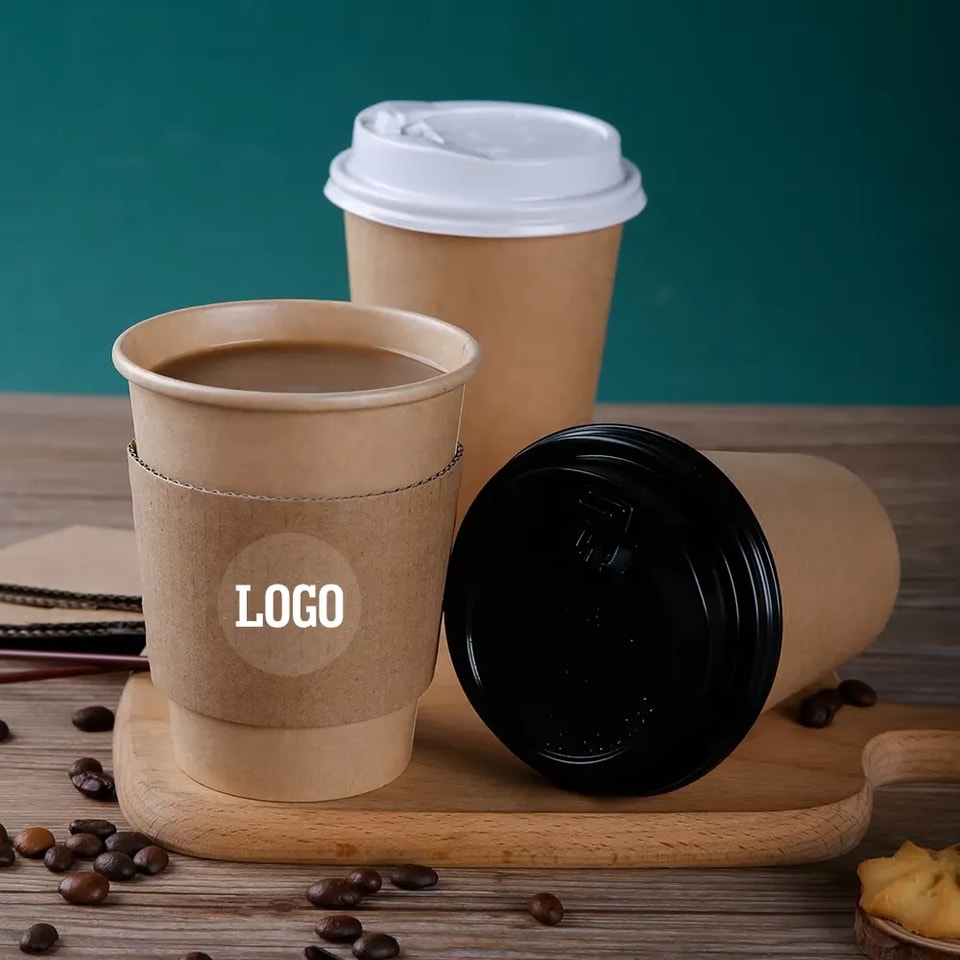
Across coffee shops, restaurant chains and beverage distributors, disposable coffee cups are a core part of everyday operations. At the same time, operators face increasing pressure from customers and regulators to reduce plastic waste and adopt more sustainable packaging. Compostable coffee cups have therefore become a key focus area for procurement teams, especially in businesses that serve high volumes of hot and cold drinks.
Choosing the right compostable coffee cup manufacturer is not just a matter of price. B2B buyers must assess product range, material and coating options, quality consistency, customization capabilities and supply reliability over time. Anbao Environmental is a paper-based food packaging producer that manufactures disposable paper cups, paper bowls, food containers and compostable packaging for foodservice, beverage and takeaway applications. This article offers a practical guide for procurement teams on how to evaluate and work with a suitable supplier.
Why B2B Buyers Are Turning to Compostable Coffee Cup Manufacturers
In many markets, single-use plastics have become a prominent sustainability concern. Traditional coffee cups typically use paperboard with a plastic lining, often polyethylene, to prevent leaks and maintain cup strength. While effective, this combination can be difficult to recycle and may not align with emerging waste management policies. Compostable coffee cups, by contrast, use alternative coatings and designs intended to improve end-of-life outcomes.
From a B2B perspective, working with a compostable coffee cup manufacturer supports sustainability positioning, helps meet customer expectations for more eco-conscious takeaway packaging and reduces exposure to policy shifts around single-use plastic products.
Anbao offers single wall coffee paper cups with PE, PLA and aqueous coating options, giving buyers flexibility to align packaging choices with their operational and sustainability goals.
Understanding Compostable Coffee Cups: Materials and Coatings
Most compostable coffee cups share a common foundation: paperboard provides the structural body of the cup, enabling stability, insulation and printable surface area for logos and designs. The key differentiator lies in the inner lining or coating, which must protect against liquid penetration while supporting improved end-of-life performance. Common options include PE coating, PLA coating and aqueous coating.
PE coating
PE coating has long been the standard in disposable cups because it offers a strong moisture barrier and reliable performance for hot and cold drinks. However, PE-lined cups are generally harder to recycle and are not widely recognized as compostable in many jurisdictions.
PLA coating
PLA coatings use plant-derived bioplastics and are often chosen by brands that want to move away from traditional petroleum-based linings. In suitable industrial composting conditions, PLA-lined cups can support compostable packaging strategies.
Aqueous coating
Aqueous coatings rely on water-based barrier systems that significantly reduce or remove plastic content in the cup lining. These coatings are increasingly discussed as lower-plastic alternatives for brands evaluating recyclability or compostability pathways.
Anbao’s single wall coffee paper cups are available with PE, PLA or aqueous coating options, enabling buyers to compare barrier performance, sustainability positioning and local disposal compatibility before placing larger orders.
Key Criteria for Evaluating a Compostable Coffee Cup Manufacturer
Product range and depth
A robust product range enables buyers to cover multiple use cases from one supplier. Anbao’s catalog includes single wall cups, single-wall kraft paper cups, double wall insulated cups, ripple wall cups and cold drink cups. This breadth allows buyers to build a more consistent packaging strategy across beverage service formats.
For brands seeking a natural and eco-leaning look, Anbao provides single-wall kraft paper coffee cups that combine kraft paperboard with customizable printing, helping cafés and chains communicate a more sustainable packaging image.
Quality and consistency
Quality failures such as leaks, softening walls or poor lid fit quickly become visible to customers and can damage brand reputation. Buyers should request samples across all relevant cup sizes and formats, then test them with actual hot and cold beverages under operating conditions.
- Check wall thickness and rigidity.
- Review seam integrity and leak resistance.
- Evaluate lid compatibility and stackability.
- Confirm print clarity and surface finish.
MOQ and customization
Minimum order quantity is a critical consideration, especially for smaller chains or emerging brands. Low-MOQ options can make it easier to launch branded packaging without committing to very large volumes at the start.
Anbao offers single-wall kraft paper coffee cups with low MOQ custom logo support, while its broader portfolio also covers custom logo, pattern, color, size and private-label packaging options for B2B buyers.
Inside a Paper-Based Food Packaging Portfolio
Choosing a compostable coffee cup manufacturer often means gaining access to a wider paper-based packaging ecosystem. Beyond coffee cups, many B2B buyers also need bowls, takeaway containers and related formats for snacks, salads, soups or meal service.
Anbao’s portfolio extends beyond cups to include round paper bowls, soup bowls and a range of food packaging formats. This gives restaurant groups and foodservice distributors the option to consolidate suppliers instead of sourcing every category separately.
Procurement Essentials: MOQ, Lead Time and Supply Reliability
Once product specifications are clear, procurement teams must verify whether the manufacturer can deliver volumes consistently and on schedule. For distributors, private-label buyers and foodservice groups, consistent replenishment matters as much as unit cost.
Key sourcing questions include standard lead times for repeat orders, response to peak-season demand, annual production capability across common sizes and the manufacturer’s ability to coordinate artwork approval, printing and export logistics for repeat business.
Supply reliability also depends on how the manufacturer manages raw materials, quality control and communication. Procurement teams should clarify how issues such as production delays, material changes or shipping disruptions will be handled before placing high-volume orders.
Customization and Branding with Compostable Coffee Cups
For many B2B buyers, the visual impact of coffee cups is as important as their material composition. Cups act as visible brand carriers, communicating identity, promotions and sustainability positioning directly to end customers.
Successful customization requires artwork that works well on curved surfaces and remains clear across different cup sizes. Buyers should always review proofs and physical samples before moving into mass production, especially when comparing white paperboard and kraft paper materials.
Because kraft substrates influence how colors appear, testing each material and coating combination is essential. That process helps ensure the final compostable coffee cup manufacturer selection supports both functional performance and brand presentation.
Integrating Coffee Cups with Bowls and Takeaway Containers
Modern coffee shops and quick-service restaurants often sell more than beverages. Salads, rice bowls, snacks and takeaway meals are increasingly common, which means procurement teams benefit from suppliers that can support broader menu packaging requirements.
To build a complete takeaway system, many operators pair cups with paper food containers so that drinks, snacks and meals share a coherent visual identity and sourcing process. This can reduce purchasing complexity and improve consistency across multiple outlets or markets.
Practical Steps for Shortlisting a Compostable Coffee Cup Manufacturer
- Define required cup sizes, coating preferences and branding needs.
- Identify manufacturers with a matching product range across cups and related food packaging.
- Request physical samples and test performance under real beverage-service conditions.
- Compare MOQ, lead times, customization support and communication quality.
- Run pilot orders before moving into long-term bulk supply.
A disciplined shortlisting process helps buyers move from keyword research and online catalog review to real procurement decisions supported by samples, supplier communication and performance validation.
Conclusion: Turning Evaluation into Action
For coffee shops, restaurant chains and distributors, moving to compostable coffee cups is not just a sustainability statement. It is a long-term procurement decision that shapes daily operations, customer perception and packaging consistency.
By focusing on coating options, product range, customization capability and supply reliability, buyers can identify a compostable coffee cup manufacturer that fits both environmental goals and commercial realities. Anbao’s range of single wall coffee paper cups, single-wall kraft paper coffee cups, round paper bowls and paper food containers illustrates how one supplier can support a more integrated foodservice packaging strategy.
Solutions & Support
We go the extra mile to analyze your specific project in detail and offer a tailored business solution that meets your requirements.
Contact US
×Support order samples, customization, wholesale direct, and complete payment. If the product you look for does not have corresponding customized content, pls fill out the form below to contact us, and we will reply ASAP.
Go to Contact Form →