Double Wall vs. Ripple Wall Paper Coffee Cups: A B2B Buyer’s Guide for Takeaway Hot Drinks
2026-08-20
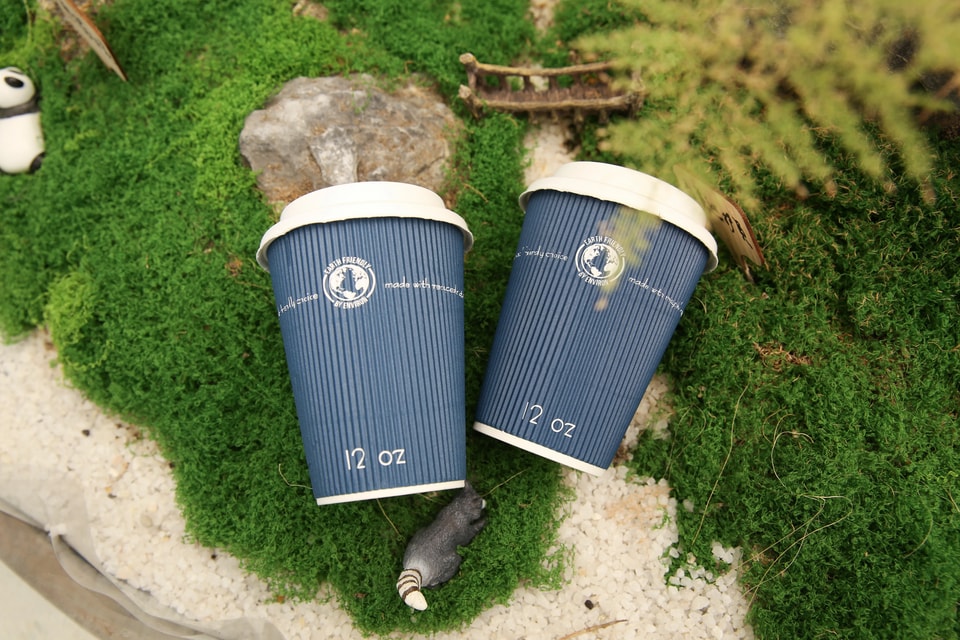
For cafés, beverage chains, foodservice distributors and delivery programs, a hot-drink cup is more than a disposable item. It is a customer-facing packaging component that must perform from beverage filling and order handoff to transport and final consumption.
When sourcing from a double wall paper coffee cup factory, B2B buyers often start with unit cost or print appearance. Both are relevant, but the cup’s construction has a greater influence on hand comfort, service efficiency, branding and total packaging cost. Double-wall and ripple-wall paper cups are designed for similar hot-drink applications, yet they use different structural approaches.
Anbao Environmental manufactures paper cups, paper bowls, food containers and compostable food packaging for foodservice, beverage and takeaway applications. Its public paper-cup portfolio includes single-wall, double-wall, ripple-wall, cold-drink and ice-cream cup formats.
Why Cup Construction Matters for Hot Drinks
Hot coffee, tea, hot chocolate and other takeaway beverages create several packaging challenges. The cup needs to contain the beverage, work with the correct lid, remain manageable for customers and fit a fast-moving service environment. For delivery orders, it may also need to remain practical through holding time, pickup and last-mile transport.
A generic paper-cup specification rarely provides enough information for a reliable quotation. Buyers should define the beverage type, serving temperature, intended capacity, lid system, artwork requirements and expected use conditions before requesting samples or prices.
Cup construction should be assessed alongside the entire customer journey:
- Filling at the counter, café bar or beverage line
- Carrying immediately after purchase
- Holding during travel or delivery
- Opening, sipping and disposing of the package
- Recognizing the brand through printed graphics and cup appearance
This is why paper cups with the same nominal size may deliver different customer experiences. A single-wall coffee cup, double-wall cup and ripple-wall cup can each have a place in foodservice packaging, but they should not be treated as identical purchasing options.
What to Expect from a Double Wall Paper Coffee Cup Factory
A double-wall paper coffee cup normally combines an inner cup with an additional outer paper layer. This layered structure is intended to reduce heat transferred from the beverage to the user’s hand while creating a smooth external surface.
For coffee brands, quick-service operators and beverage chains, double-wall construction may be suitable when the packaging brief places high importance on hot-drink comfort and a refined branded appearance. The smooth external layer can also provide a controlled surface for logo placement, color blocks and other visual elements.
Buyers considering insulation, a smooth exterior and customized hot-drink packaging can review double wall paper coffee cups when preparing a detailed procurement specification.
What Buyers Should Verify with a Double Wall Paper Coffee Cup Factory
“Double wall” should not be interpreted as an automatic guarantee of customer comfort or sleeve-free use. The final result depends on the cup design, material combination, fill temperature, drink-holding time, cup size, lid selection and how customers hold the cup.
A responsible procurement process should include physical samples and real-use validation. The buyer can fill the cup at the normal serving temperature, apply the selected lid and assess outside-wall temperature and handling comfort at defined intervals. Testing should reflect actual café, kiosk, delivery or self-service conditions rather than a one-time visual inspection.
Before approving a supplier, buyers should verify:
- Cup capacity, rim diameter, base size and height
- Paperboard and barrier-coating specification
- Lid compatibility and leak-resistance testing
- Printing method, artwork proof and color consistency
- Food-contact documents for the destination market
- Samples, inspection requirements and change-control process
- Carton configuration, pallet requirements and shipping conditions
A Project-Specific Insulation Example
Anbao’s published project information describes a coffee-cup development program for BP in 2017. According to the project description, Anbao developed a “Top and Bottom Rolled Double-Wall Insulated Cup” in response to requirements related to thermal insulation, strength, design and cost.
The project states that, when tested with 100°C hot water, the inner cup reached 90°C while the outer wall reached 65°C. It also states that after five minutes the beverage reached an intended coffee-serving temperature and that the product was designed to eliminate the use of a separate cup sleeve.
The BP coffee-cup development project illustrates that sleeve elimination was a stated design objective for that specific solution, rather than a universal promise for all double-wall formats. Buyers should validate their own cup performance with the beverage temperature, capacity, lid and customer-use conditions of their particular program.
How Ripple Wall Paper Coffee Cups Work
Ripple-wall paper cups, sometimes called corrugated paper cups, use a textured outer layer. The raised, corrugated surface changes both the look and feel of the cup compared with a smooth double-wall design.
The textured exterior can create a familiar coffeehouse-style appearance and may help users maintain a secure hold on a hot beverage. For brands, it also provides a visibly different packaging format that can support a more tactile customer experience.
Where Ripple-Wall Cups Fit Best
Ripple cups may be suitable for coffee shops, takeaway counters, kiosks, bakeries, convenience retail and other high-turnover beverage applications. They can be evaluated when a buyer wants a textured outer layer as part of the cup’s handling and visual strategy.
For programs that prioritize a textured exterior and coffeehouse-style grip, ripple wall paper cups provide a different structural option for hot beverage service.
As with double-wall cups, buyers should not make a decision based on the category name alone. The exact cup specification must be confirmed, including capacity, rim diameter, base size, cup height, coating, printing method, lid compatibility and intended drink temperature.
Branding and Printing Considerations
A ripple-wall cup’s outer texture forms part of the visual identity. This may suit brands that want packaging to feel more tactile, traditional or distinctly associated with coffee-to-go service. However, the textured exterior may influence artwork layout, fine print details and how logos appear in real production.
Double-wall cups generally offer a smoother print surface. This may be useful when artwork relies on precise lines, larger color areas or a clean premium visual presentation. The best option depends on how the marketing team wants the cup to appear in the customer’s hand, in store and in delivery photography.
Physical print proofs are important for both formats. Procurement teams should involve marketing, operations and quality personnel in the approval process so that artwork, functional performance and service practicality are assessed together.
Double Wall vs. Ripple Wall: B2B Comparison
| Factor | Double Wall Paper Cup | Ripple Wall Paper Cup | Buyer Validation Point |
| Outer surface | Usually smooth with an additional outer paper layer | Textured with a corrugated outer layer | Customer preference and brand direction |
| Heat-management method | Layered structure creates an insulating effect | Corrugated exterior changes the contact surface | Test at actual beverage temperature |
| Hand feel | Smooth external touch | Textured, grip-oriented touch | Conduct user handling tests |
| Branding approach | Often suited to clean logo and artwork presentation | Supports a distinctive coffeehouse-style appearance | Approve physical printed samples |
| Sleeve decision | Can be assessed for sleeve reduction in specific designs | Must be assessed according to the final use case | Evaluate cup temperature and handling |
| Sourcing focus | Structure, insulation, print finish and lid fit | Texture, grip, print treatment and lid fit | Request equivalent samples and specifications |
The table is a starting point, not a substitute for product qualification. A cup that works well in a café serving 8oz coffee may not be the right format for a 16oz tea beverage used in a delivery program. Fill volume, beverage temperature, service time and lid choice can all change the result.
Materials, Coatings and Food-Contact Requirements
The paper cup structure is only one part of the purchasing decision. Buyers should also clarify paperboard, barrier coating, ink system, product dimensions and destination-market requirements.
Anbao’s published product range references PE, PLA and aqueous coating options for relevant paper cup products. The most suitable coating should be selected based on the precise application, the cup structure, beverage conditions and applicable local requirements. A product description should be treated as a starting point for technical discussion, not as a complete specification.
Before placing a wholesale order, B2B buyers should request:
- Food-contact documentation relevant to the target market
- Current certifications and their scope
- Paperboard, coating and printing specifications
- Cup capacity and complete dimensional drawings
- Compatible lid samples and fit-test records
- Print artwork proofs and color-approval process
- Carton, pallet and shipping specifications
- Sample-approval, inspection and change-control procedures
Certification and documentation must be reviewed in context. Buyers should confirm the factory location, certificate validity, scope and applicability to the products they plan to source. For regulated markets, the buyer should also complete its own compliance assessment.
Manufacturing Consistency and Supply Planning
A strong sample is valuable, but mass-production consistency determines whether the packaging program remains reliable. Paper cup performance can be affected by forming quality, layer assembly, rolling, print registration, packaging control and storage conditions.
When assessing a double wall paper coffee cup factory, buyers should compare sample consistency, production controls, print approval procedures and the supplier’s ability to maintain agreed specifications across repeat orders. This assessment is especially important when a brand needs the same cup format across multiple locations, markets or seasonal campaigns.
Anbao describes its operations as combining food-packaging manufacturing with customized packaging development. Its company history states that it developed lean digital manufacturing in cooperation with Siemens and implemented JIT-related production practices. It also states that manufacturing facilities in Thailand and the United States began operations from 2021 to 2025.
Its published project portfolio includes long-term supply records for Master Kong, technical audit and SGP assessment references connected with Coca-Cola-related supply, and a reported program supplying DE with 20 million 7.5oz paper cups per month at a 100% on-time delivery rate. These statements refer to disclosed projects and should not be interpreted as an automatic performance guarantee for every product, market or order.
A Practical Sourcing Framework
Choose a double-wall paper coffee cup when your packaging priorities include a smooth exterior, layered insulation and the possibility of a sleeve-reduction strategy that can be confirmed in testing. It may align well with branded coffee-to-go programs where visual presentation and hand comfort are both important.
Choose a ripple-wall paper cup when a textured exterior, tactile grip and coffeehouse-style appearance better fit the beverage program. It may be useful for operators that want the outer cup surface to contribute visibly and physically to the customer experience.
A well-prepared RFQ gives a double wall paper coffee cup factory the information needed to recommend a suitable cup structure, coating and production approach for the intended beverage program. Include:
- Cup construction and target capacity
- Beverage type and fill temperature
- Cup dimensions and compatible lid requirement
- Paperboard, coating and printing expectations
- Artwork files and branding standards
- Forecast order volume and delivery destinations
- Sample-validation process
- Required compliance documents
- Packaging and shipping requirements
A detailed RFQ helps suppliers quote on the same basis and helps buyers compare offers beyond unit price. It also reduces the risk of approving a sample that does not match final production or customer-use conditions.
Before confirming a wholesale order, procurement teams can review Anbao food packaging projects to understand the company’s publicly presented experience in customized paper food packaging programs.
Solutions & Support
We go the extra mile to analyze your specific project in detail and offer a tailored business solution that meets your requirements.
Contact US
×Support order samples, customization, wholesale direct, and complete payment. If the product you look for does not have corresponding customized content, pls fill out the form below to contact us, and we will reply ASAP.
Go to Contact Form →