Custom Paper Cold Drink Cups for Milk Tea, Juice and Delivery: Specification Checklist for Buyers
2026-09-11
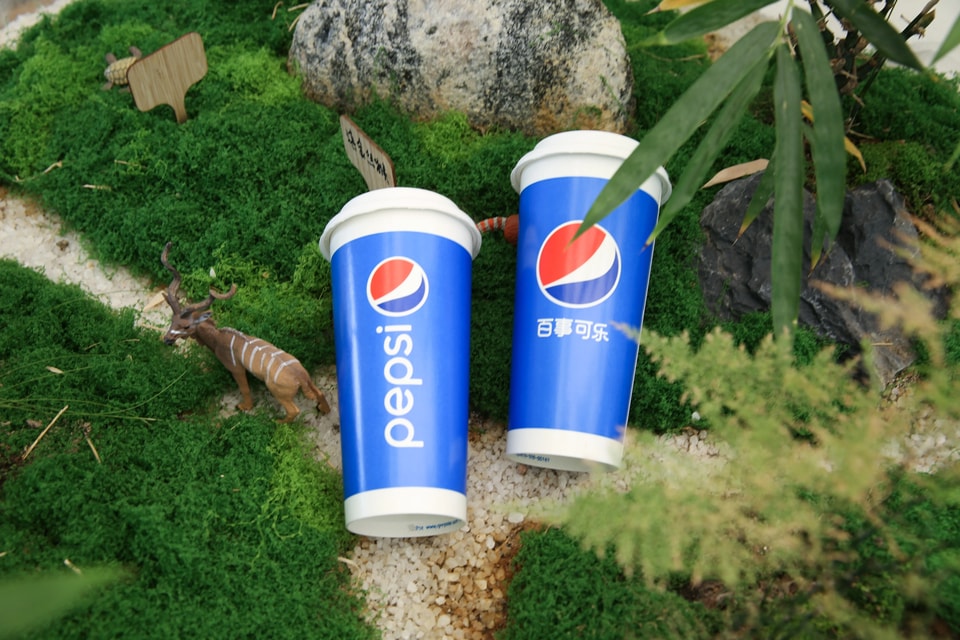
For milk tea shops, juice brands, cafés, restaurants and delivery-focused beverage businesses, a cold drink cup is more than a container. It affects how a drink is prepared, carried, presented and remembered. When the cup specification fits the drink and the service process, it can support a smoother daily workflow from the counter to the customer.
At Anbao, we develop custom paper cold drink cups for beverage and foodservice applications. Our paper cup range includes options for milk tea, coffee, cola and juice, with custom logo, pattern, colour and size requirements considered around the needs of each project. A well-defined cup brief helps turn a beverage concept into packaging that works in real service conditions.
What Does Your Cold Drink Service Need From a Paper Cup?
Different drinks create different packaging needs
Milk tea, fresh juice, iced coffee, carbonated drinks and fruit beverages may all be served cold, but the way they are prepared can be very different. A milk tea recipe may include ice, pearls, jelly or foam. A juice drink may be served with pulp or a larger volume of ice. An iced coffee may need a different filling level from a sweetened fruit drink. These details influence the capacity, cup shape and closure method that make sense for the finished beverage.
Before choosing a cup, define the drink itself. Consider the serving size, typical ice level, toppings, target fill line, serving temperature and how long the drink may be held before consumption. Starting with these practical details makes it easier to select a paper cup specification that fits the menu rather than relying only on a familiar ounce size.
Why takeaway and delivery change the cup brief
A drink served at the counter only needs to work for the immediate handoff. A takeaway or delivery drink has a longer journey. It may be carried, placed in a bag, moved with other orders and exposed to changes in handling before it reaches the customer. The cup, lid or sealing format, drink recipe and transport process should therefore be reviewed as one complete system.
This is particularly important for beverage brands that serve a high volume of orders during busy periods. A clear cup brief helps align packaging choices with the way staff fill, close, label and hand over drinks. It also gives the purchasing team a stronger starting point for samples and quotations.
From daily operations to a clear cup requirement
The most useful packaging brief begins with the actual service process. Write down the beverage type, cup capacity, preferred closure, expected order quantity, custom design needs, destination market and desired delivery timeline. If the cup will be used for delivery, include the typical transport and bagging conditions as well.
With this information in place, the discussion can move naturally from a general request for disposable cold drink cups to a specification built around the needs of your beverage business.
Which Custom Paper Cold Drink Cup Size and Structure Fits Your Menu?
Capacity should match the real drink recipe
Capacity is one of the first details a buyer provides, but it should not be viewed in isolation. A 12 oz or 16 oz cup may serve different menu items depending on the recipe, the amount of ice, the volume of toppings and the filling level your staff use. The nominal size should support the beverage as it is actually prepared, not just the number shown on the menu.
For a clearer enquiry, include the desired nominal capacity and the practical filling conditions. If your drink contains ice, foam, fruit pieces or toppings, explain how these affect the usable beverage volume. This makes it easier to discuss a cup format that reflects the customer experience you want to deliver.
Dimensions affect lids, filling and customer handling
Top diameter, bottom diameter, height and available filling space all matter in day-to-day service. These details influence how the cup works with a lid or sealing format, how it fits into a cup holder, how it is carried and how it feels in the customer’s hand.
They also help keep product discussions clear when custom printing, sample approval and repeat orders are involved. When the physical dimensions are documented from the beginning, the packaging team can review the full drink format with greater confidence.
Choose a cup format around the intended application
Anbao offers a paper cup range for foodservice and beverage applications, including cold drink cup options as well as single-wall, double-wall, ripple and kraft paper cup formats. The right choice depends on the drink being served, the way it is handled and the overall packaging requirement.
For cold beverage projects, a single-layer thickened cup with double PE coating may be considered for applications such as milk tea, coffee, cola and juice. The final specification should be discussed around the intended drink, the closure method and the project’s market requirements, so the selected format supports the full service experience.
How Do PE, PLA and Aqueous Coatings Support Cold Drink Packaging?
The barrier layer is part of the cup specification
A paper cold drink cup combines paperboard with a barrier layer chosen for the intended application. At Anbao, PE, PLA and aqueous coating options can be discussed as part of a custom paper cup project. Rather than treating coating as a separate purchasing decision, it should be considered together with the beverage, cup construction, service environment and packaging objectives.
For example, a milk tea programme with ice and toppings may have different practical needs from a juice promotion, an iced coffee takeaway line or a seasonal cold beverage launch. The more clearly the intended use is described, the easier it is to review the appropriate cup specification.
Match the coating discussion to your market and application
Material selection should reflect your destination market, food-contact requirements, intended beverage and sustainability direction. Buyers can make the discussion more productive by sharing where the cups will be used, the relevant product requirements for that market and the type of packaging outcome they are working toward.
This approach also keeps the decision practical. Instead of selecting a coating based only on a name or a general claim, the packaging solution can be reviewed as a complete combination of paper cup format, barrier option, closure method, branding and use scenario.
Confirm the finished specification through sampling
A sample is where the cup specification becomes tangible. Review it with the actual drink, normal ice level, chosen lid or sealing format and expected handling process. This gives the project team a more realistic basis for moving forward than reviewing an empty cup alone.
Once the cup body and barrier option have been considered, the next question is whether the closure and delivery process work smoothly with the finished beverage.
Will the Cup, Lid and Delivery Process Work Together?
Check the fit between the cup and the closure
The closure method is part of the drinking experience. Depending on the menu and service model, a beverage may use a sip lid, flat lid, dome lid, sealing film or another format. The cup’s top diameter and rim should be reviewed with the selected closure early in the project.
For milk tea and similar drinks, the closure should also suit the way customers consume the beverage, including whether a straw, topping or foam layer is involved. Confirming the cup-and-closure combination during sampling helps keep the finished presentation aligned with the intended service style.
Test the cup under real takeaway conditions
A cup should be assessed in the same way it will be used after production. Fill it with the normal beverage recipe, close it using the planned lid or sealing method, carry it, place it in the usual takeaway bag and review how the complete pack performs during handling.
For delivery-focused operations, include the conditions that are most relevant to your orders. This may include the way drinks are grouped, how they are packed with food, the typical handoff process and the expected journey from store to customer. Testing the complete system helps the team make decisions based on the real operating environment.
Reduce uncertainty before bulk production
When the cup, closure and delivery process have been reviewed together, the approved specification becomes more useful for production planning. It provides a shared reference for the product team, purchasing team and store operations, while helping ensure that the sample stage reflects the intended use of the finished cup.
With the functional details in place, the next step is to bring the brand design into the same clear specification.
How Can Custom Printed Cold Drink Cups Strengthen Your Brand?
Define your artwork before the sample stage
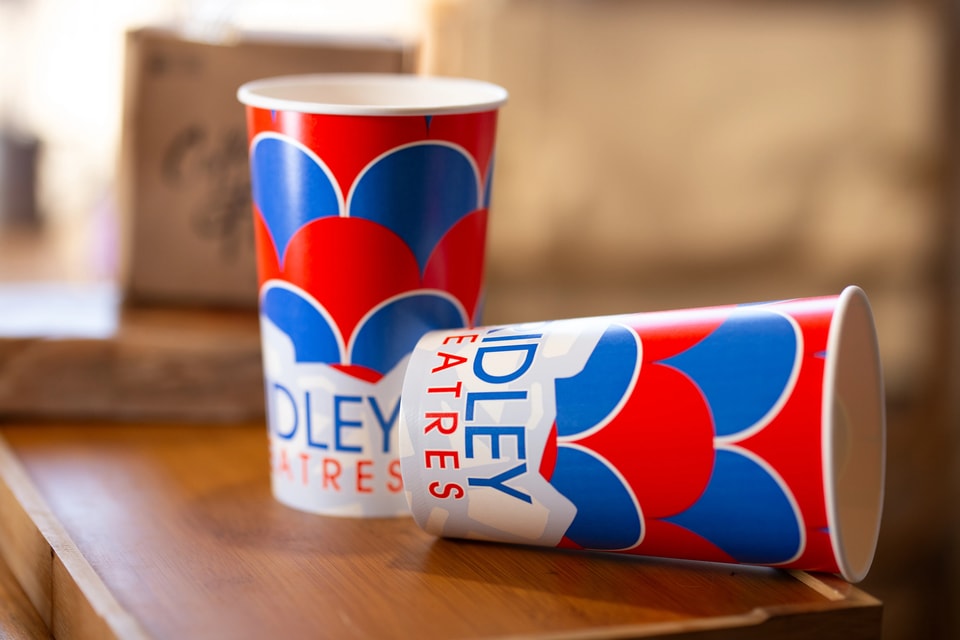
Custom printing works best when the project begins with clear artwork and clear priorities. Provide the logo, pattern, colour direction, required print area and any essential design elements before sampling. This helps create a focused discussion around the appearance of the finished cup.
Anbao supports custom logo printing, custom patterns, custom colours and tailored paper cup sizes for foodservice, beverage and private-label packaging projects. By bringing the branding details together with cup capacity and intended application, the design can be reviewed as part of the complete packaging solution.
Make the cup easy to recognise across every channel
A branded beverage cup may be seen in a store, in a customer’s hand, inside a takeaway bag or in a delivery photo. For that reason, the cup should carry the brand clearly in the places where customers are most likely to notice it. Readable logo placement, balanced graphics and consistent colour direction can help the cup feel connected to the wider beverage experience.
This does not require an overly complicated design. In many cases, a clear visual system that works across different cup sizes and service channels is more useful than artwork that only looks effective in one setting.
Keep approved cup details ready for repeat orders
After the selected cup format and artwork are approved, keeping those details organised supports future orders. The approved design version, cup size, coating option, packing requirements and expected quantity should remain easy to reference when the next order is planned.
For brands managing ongoing beverage programmes, this consistency helps connect the first custom cup project with a more repeatable purchasing process.
Explore custom logo paper cups that can be discussed around your beverage format, artwork and service requirements.
What Should You Confirm Before Ordering Custom Paper Cups?
Confirm product details before requesting a quote
A clear request helps the packaging discussion move quickly and keeps quotations relevant to the project. Before requesting a quote for custom paper cups, prepare the beverage type, target capacity, desired dimensions, normal filling conditions, ice or toppings, preferred closure method and estimated order quantity.
It is also helpful to explain whether the cups are intended for in-store service, takeaway, delivery or a combination of these channels. The more closely the request reflects daily operations, the easier it is to review a suitable paper cup solution.
Include artwork, packing and delivery requirements
In addition to the cup itself, share the artwork file, printing requirements, target market, preferred packing arrangement, destination country and delivery schedule. These details bring the product, branding and logistics discussion together, allowing the project to be considered as a complete packaging requirement.
For private-label and chain beverage projects, consistent communication around these details can be especially valuable when planning future orders or seasonal campaigns.
Approve samples for the way the cup will actually be used
Sample approval should cover the whole drinking and service experience. Review the filled cup, the closure, the visual presentation, the way it is carried and the way it is packed for takeaway or delivery. This provides a practical final check before the specification moves into bulk production.
By confirming the full use scenario, buyers can turn a custom paper cup from a simple purchase item into a packaging component designed around their beverage operation.
Why Choose Anbao for Custom Paper Cold Drink Cups?
Paper packaging options for beverage and foodservice brands
At Anbao, we provide paper cups, paper bowls, food containers and compostable food packaging for beverage, foodservice, takeaway, bakery, ice cream, popcorn and restaurant applications. Our product range gives foodservice businesses a way to discuss cold drink cups alongside other paper-based packaging needs as their menus and service channels evolve.
Whether the immediate project is for milk tea, juice, iced coffee or a delivery beverage line, we begin by understanding the practical requirements behind the cup. This creates a more useful path from product selection to customisation, sampling and order planning.
Customisation that begins with your service requirements
Every custom paper cold drink cup project can be discussed around the information that matters most: beverage type, cup capacity, preferred coating option, artwork, estimated quantity, destination market and required delivery timing. These details help shape a packaging discussion around the real needs of the business.
Our packaging projects also cover applications across beverages, takeaway meals, bakery, ice cream, popcorn and restaurant service. This application experience supports a broader view of how paper packaging can work across a foodservice programme.
Move from a cup brief to a practical packaging solution
A successful cold drink cup project begins with the drink and continues through cup size, structure, barrier option, closure method, brand design, sample review and delivery planning. When these decisions are connected, the finished cup is better positioned to support daily service and a consistent customer experience.
For your next milk tea, juice or delivery beverage project, share your requirements with Anbao and explore our paper food packaging solutions. We can discuss the cup format, custom artwork and project details needed to move from an initial brief to a tailored paper packaging solution.
Solutions & Support
We go the extra mile to analyze your specific project in detail and offer a tailored business solution that meets your requirements.
Contact US
×Support order samples, customization, wholesale direct, and complete payment. If the product you look for does not have corresponding customized content, pls fill out the form below to contact us, and we will reply ASAP.
Go to Contact Form →