Single Wall vs Double Wall Coffee Cups for Restaurants: Which Format Fits Your Service Model?
2026-09-11
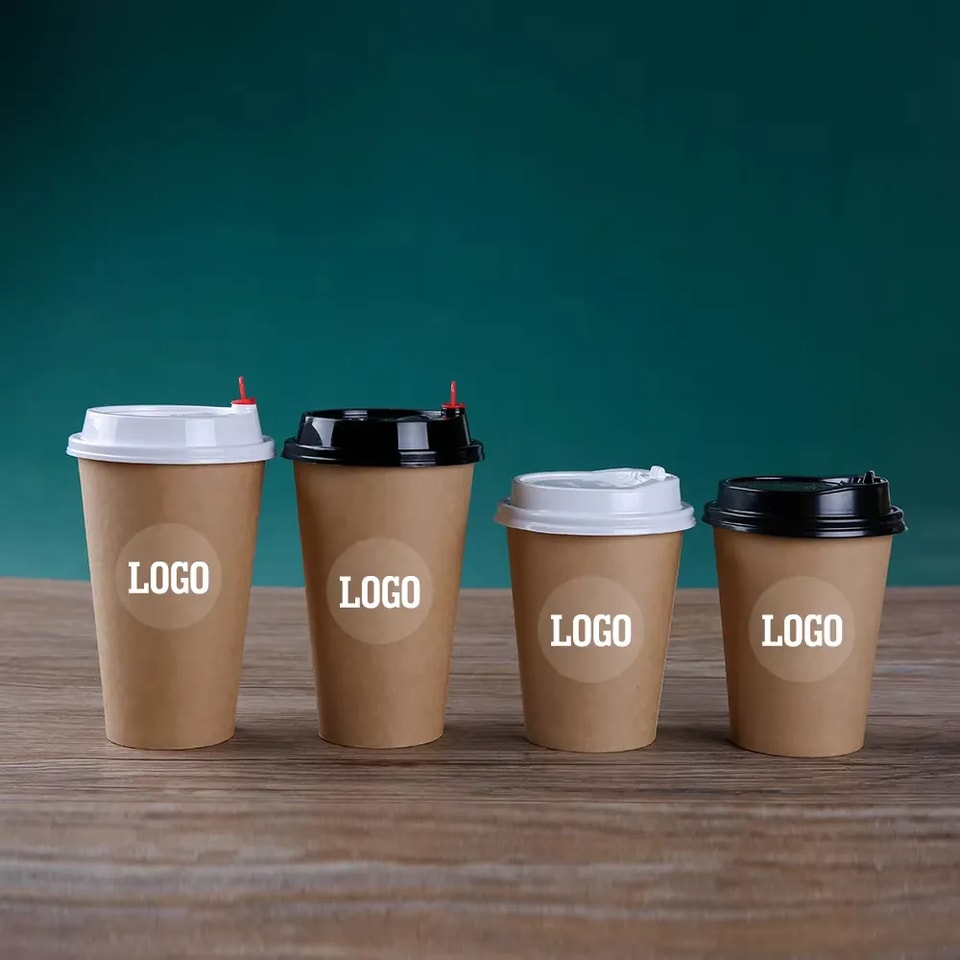
For restaurants, a coffee cup does far more than hold a drink. It becomes part of the service experience from the moment a barista fills it and fits the lid to the moment a guest takes the first sip. The right format affects how comfortable a hot drink feels in the hand, how smoothly staff can work during busy periods, how consistently the brand appears, and how well the beverage travels beyond the counter.
That is why choosing coffee cups for restaurants should begin with the way you serve coffee, not simply with cup capacity or unit price. A dine-in restaurant, a quick-service counter, a coffee chain and a delivery-led food business all create different requirements. Once the service model is clear, the choice between single wall and double wall paper cups becomes much easier to make.
Which Coffee Cup Works Best for Your Restaurant?
A coffee cup shapes the whole drink experience
Hot coffee moves through several moments before it is finished: preparation, filling, lidding, handover, carrying and drinking. At each stage, the cup needs to work with the customer and the team serving them. A cup that is suitable for a guest sitting at a table may not be the best choice for someone walking to work or receiving a drink through a delivery order.
For this reason, restaurants should view the cup as part of a complete beverage system. The cup body, lid, sleeve where needed, serving routine and customer journey all need to work together. This broader view helps purchasing teams avoid selecting a format that looks right on a specification sheet but feels inconvenient during real service.
The right choice begins with how you serve coffee
Before comparing structures, consider how customers receive and drink their orders. A restaurant with mostly dine-in traffic may prioritize a clean presentation and a comfortable handoff. A busy takeaway counter may focus on speed, consistent stacking and efficient lid application. Delivery operations need to think further ahead, because the cup must remain practical after it leaves the restaurant.
Drink temperature also matters. Freshly prepared coffee, tea and other hot beverages can create a very different outer-wall feel from a warm drink that is consumed immediately. The more closely a cup is matched to the real menu, service time and customer behavior, the more reliable the purchasing decision will be.
When Choose a Single Wall Coffee Cup?
A practical format for streamlined beverage service
A single wall coffee cup uses one paperboard cup wall with a barrier coating selected for the intended beverage application. It is a familiar and flexible format for foodservice operations that need a straightforward paper cup solution across standard beverage sizes.
For restaurants, single wall cups can fit well into a streamlined service routine, particularly when the drink profile, serving temperature and supporting packaging have been considered together. They can be used for coffee, tea and other beverage applications with the appropriate cup, coating and lid configuration. The decision is not about treating single wall cups as a basic option; it is about ensuring that the full service setup suits the cup structure.
Single wall cups work best as part of a complete service setup
With hot drinks, a sleeve may be part of the intended customer experience. In that case, the purchasing decision should include more than the cup itself. The sleeve needs to fit securely, the lid needs to match the rim, and staff need to be able to assemble the set efficiently during peak periods.
This approach is particularly useful for restaurants that want flexibility across their beverage menu. A coordinated cup-and-sleeve solution can support branded presentation while allowing the team to use a consistent service process. However, the format should always be tested with the temperature and recipe customers will actually receive.
What should be checked before placing a single wall cup order?
Testing should reflect daily restaurant conditions rather than an empty-cup inspection. Fill the sample with the intended coffee recipe, use the planned lid and sleeve, and observe how it performs during the normal period between preparation and drinking. Staff should also check how quickly they can take a cup from the stack, apply the sleeve when used, secure the lid and hand the drink to a customer.
It is equally important to consider whether the cup will be carried by hand, placed on a tray or packed into a takeaway bag. This gives the purchasing team a clearer view of how the paper cup will support the service routine once the order volume increases.
When Choose Double Wall Coffee Cups?
Extra insulation can improve the hot-drink experience
A double wall coffee cup uses an inner and outer paper layer to create an insulating structure. This additional layer can help reduce heat transfer to the outer surface, which can improve the hand-held experience for hot beverages. It also gives restaurants another way to consider cup comfort without making a sleeve the central part of every order.
The value of this format depends on the service model. For restaurants serving freshly made hot coffee to guests who carry drinks away, the extra insulation can support a more comfortable grip. At the same time, the right result depends on the cup design, the beverage temperature, the fill level, the lid and the period for which the customer will hold the cup. These details should be reviewed together before a format is confirmed.
A double wall cup can simplify the serving routine
For some hot-drink programs, double wall insulated paper cups can simplify the serving routine by reducing the need to apply a separate sleeve. This may help restaurants create a cleaner handoff process while maintaining a more substantial feel in the customer’s hand.
That does not mean every restaurant should automatically move to a double wall format. The right choice still depends on service speed, menu temperature, storage space, brand presentation and the overall packaging plan. The most effective solution is the one that works consistently at the counter and remains suitable for the customer after the drink leaves the restaurant.
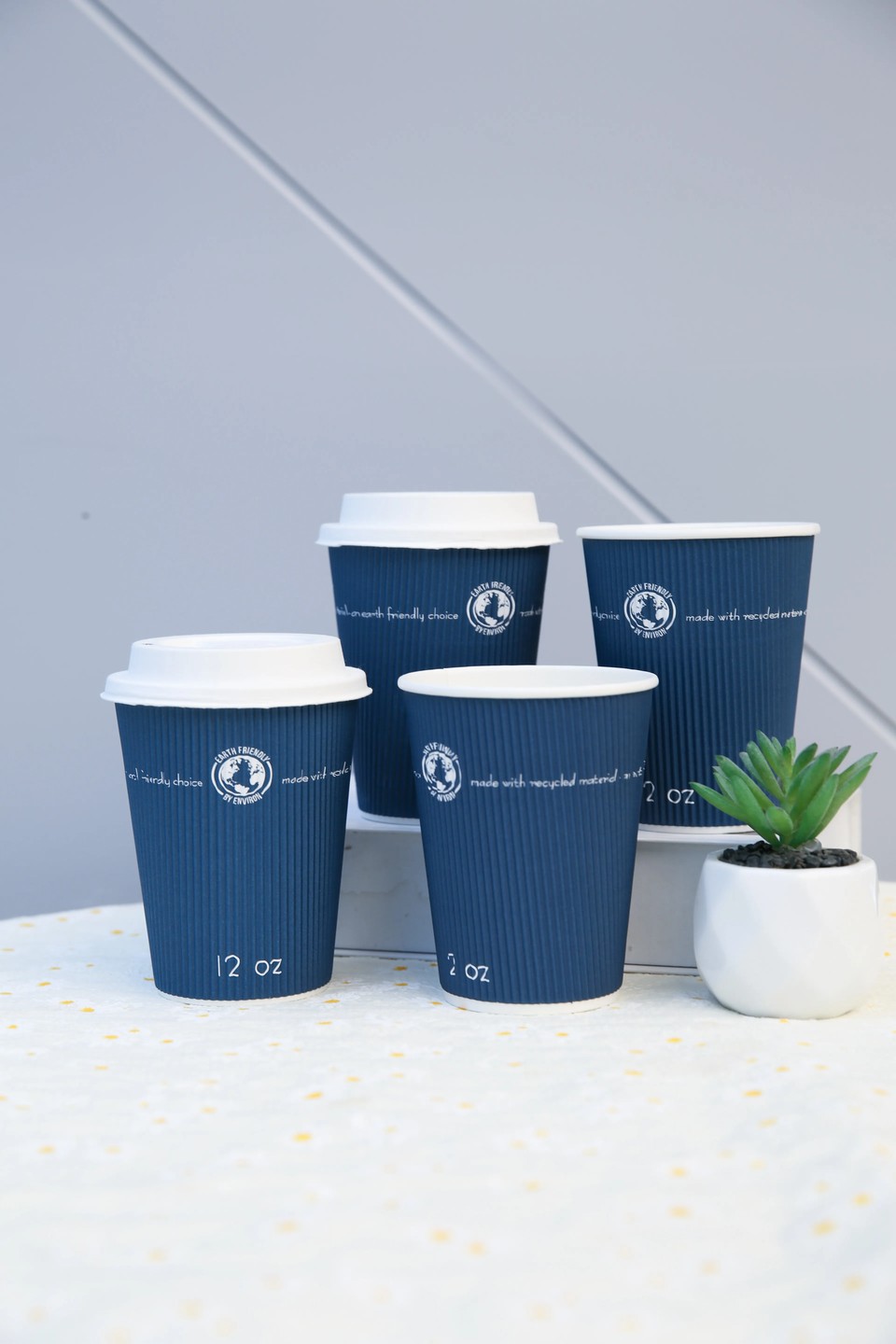
How Anbao developed a double wall cup for coffee service
For coffee service, insulation is not simply a material question. It is a structural question that affects how customers hold the cup, whether a sleeve is needed and how the drink feels from the first sip. This was the starting point for Anbao’s work on a double wall cup developed for BP’s coffee application.
Developed in response to BP’s design requirements, the Top and Bottom Rolled Double-Wall Insulated Cup was tested with 100°C hot water. Under those test conditions, the inner cup temperature reached 90°C while the outer wall measured 65°C. The design was developed to reduce reliance on a sleeve and address the discomfort of cups that feel too hot to hold. After five minutes, the project description notes that the beverage temperature moved toward the preferred drinking temperature for coffee.
This example shows why a restaurant coffee cup should be evaluated as a designed structure rather than a generic disposable item. For more examples of how packaging formats are developed around real applications, explore Anbao’s coffee cup packaging projects.
Single Wall vs Double Wall Coffee Cups: What Matters Most?
Heat, comfort and the way customers drink
The main difference is not simply the number of paper layers. It is how the structure fits the drink and the customer journey. Single wall cups can work effectively when paired with the right sleeve strategy and service process. Double wall cups provide an additional insulating layer that may be better suited to hot drinks that customers carry for longer periods.
For that reason, restaurants should avoid treating either format as a universal answer. A strong choice reflects the temperature of the menu, how soon the drink will be consumed, whether customers are seated or on the move, and whether takeaway or delivery is part of the business.
Branding should work with the cup structure
A coffee cup is one of the most visible parts of a restaurant’s beverage presentation. It is seen at the counter, in the dining area, on the street and, in many cases, in the customer’s hand long after the order has left the restaurant. The cup format should therefore support a consistent visual identity as well as daily functionality.
Anbao supports custom logo printing, patterns, colors, sizes and private-label packaging across its paper foodservice range. Whether the restaurant uses a single wall cup with a branded sleeve or a double wall cup with its own visual presence, the design should be reviewed on the actual cup format, not only on a flat artwork file.
The most useful cost comparison includes the whole packaging system
The lower unit price is not always the lower operating cost. A practical comparison includes the cup body, lid, sleeve where used, the number of packaging SKUs, storage requirements and the actions staff repeat throughout the day. For takeaway service, it should also include how the complete set performs once it is placed into a bag and carried away.
Looking at the full system gives restaurant buyers a more realistic basis for comparison. It may reveal that a format with a different cup price supports a simpler handoff, a clearer brand presentation or a service routine that better matches the operation.
How Should Restaurants Choose Coffee Cups for Dine-In and Takeaway?
Dine-in coffee service calls for a balanced choice
For dine-in restaurants, the choice often depends on how drinks are presented and consumed. Consider whether staff bring coffee to the table, whether drinks are served on trays, how long guests typically sit with their beverage and whether the cup is likely to be carried around the venue.
If hot drinks are served for immediate enjoyment, a single wall format with an appropriate sleeve strategy may fit the routine. If customers frequently hold drinks while moving through a venue or leaving after a meal, a double wall option may deserve closer consideration. The best approach is to test both formats in the same way guests will use them.
Takeaway coffee cups need to work beyond the counter
Takeaway coffee introduces another set of conditions. The cup needs to feel practical during the walk from the restaurant to a car, office or transit stop. It also needs to work with the chosen lid and remain appropriate when the drink is placed in a takeaway bag alongside food items.
Testing with the real drink, lid, bag and expected travel time is the most dependable way to make this assessment. This avoids assumptions based on an empty sample and helps the restaurant select a format that supports its own takeaway process.
Beverage chains need a format that supports consistency
For beverage chains and multi-location restaurant groups, consistency becomes especially important. Cup sizes, print quality, lid fit, replenishment planning and staff familiarity all affect how reliably the program works from one location to another.
Anbao supplies paper-based food packaging for coffee shops, restaurants, takeaway brands, beverage chains and foodservice distributors. Single wall cups, double wall insulated cups, ripple wall cups, cold drink cups and kraft paper cups can be considered as part of a coordinated paper cup range, with options for custom logo printing and different coating requirements.
Choosing Paper Cup Materials and Coatings for Your Menu
The coating choice should follow the beverage and market requirements
Cup wall structure is one part of the decision. Paperboard and barrier coating also need to match the intended beverage, the service environment and the requirements of the destination market. A hot coffee program, a cold drink menu and a compostability-focused purchasing brief may each call for a different discussion.
Anbao offers PE, PLA and aqueous coating options for paper cup projects. The appropriate option should be selected according to beverage type, compostability requirements, applicable market regulations and budget. Aligning these points early helps create a specification that is clear before sampling and production begin.
Product documentation should match the order you are buying
A professional purchasing process connects product requirements with the documents needed for the intended market and application. Before production is arranged, the product specification, cup size, paper and coating selection, artwork, destination market and documentation requirements should be aligned for the order in question.
This step is particularly important for restaurant groups, distributors and private-label programs that need repeat orders to follow the same agreed specification. Clear information at the beginning makes it easier to move from approved sample to consistent production.
From Sample to Repeat Order: A Better Way to Source Coffee Cups
Test the cup with your real drink, lid and service routine
The most useful sample test uses the same drink customers will order. Fill the cup at the intended serving temperature, apply the planned lid and follow the same handover process used at the restaurant. For takeaway service, place the completed drink in the intended bag and assess it as it would be handled after leaving the counter.
This practical test gives purchasing teams feedback that product descriptions alone cannot provide. It helps confirm the customer’s grip experience, staff handling, lid compatibility and the way the cup fits into the daily beverage routine.
Build your coffee cup specification before confirming production
A clear brief makes sourcing more efficient. It should cover cup type, capacity, paper and coating preference, estimated order quantity, print artwork, destination country and expected delivery schedule. It should also identify the intended lid and whether a sleeve is part of the final service set.
With these details in place, Anbao can discuss the right format for the application and prepare a focused sampling path. Explore custom coffee cup packaging to begin defining a paper cup solution around your restaurant menu, branding and service requirements.
Find the Coffee Cup Format That Fits Your Restaurant
The right cup supports the service you want to deliver
There is no single coffee cup format that suits every restaurant. Single wall cups can support standardized service and flexible packaging combinations. Double wall coffee cups can be a strong option when hot-drink comfort, a sleeve-reduced serving routine or a more substantial takeaway experience is a priority.
In either case, the strongest choice comes from matching the cup to the menu, the temperature of the beverage, the customer journey and the everyday routine of the restaurant team. A well-planned sample test turns that decision into a practical one.
Work with Anbao on a cup solution built around your menu
Anbao develops paper foodservice packaging for restaurant, beverage, takeaway and distribution applications. From single wall and double wall coffee cups to ripple cups, cold drink cups, paper bowls and food containers, our team can help align cup structure, custom design, coating options, order quantity and delivery requirements with your service model.
Share your beverage menu, target cup size, serving temperature, artwork, destination market and expected order volume to start a more focused discussion on the paper cup format that fits your restaurant.

Solutions & Support
We go the extra mile to analyze your specific project in detail and offer a tailored business solution that meets your requirements.
Contact US
×Support order samples, customization, wholesale direct, and complete payment. If the product you look for does not have corresponding customized content, pls fill out the form below to contact us, and we will reply ASAP.
Go to Contact Form →